Quick Navigation
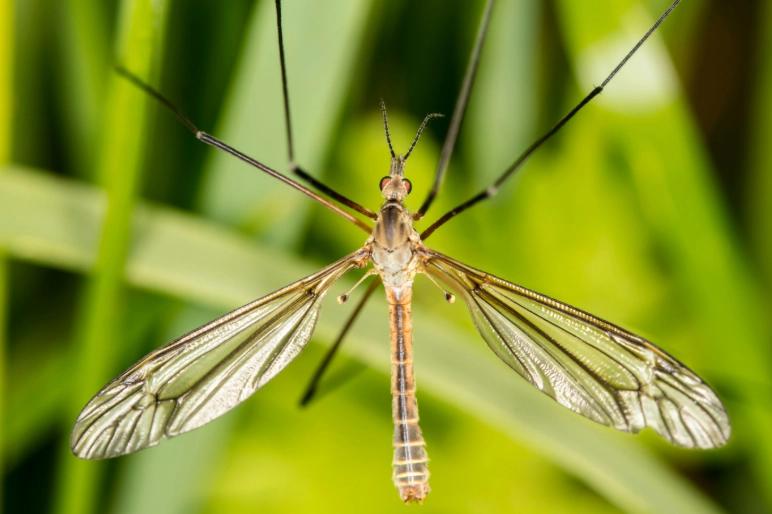
If you've spent any time in Florida, especially after a good rain or during the humid transition from winter to spring, you've likely seen them. Long, spindly legs, a gangly body that seems too fragile to fly properly, and an overall appearance that screams "giant mosquito." Your first instinct might be to duck or reach for the swatter. I know mine was. The first time one bumbled into my screened porch near Tampa, I nearly knocked over my sweet tea. But here's the thing I, and maybe you, got completely wrong.
That insect isn't a monster mosquito plotting your demise. It's a crane fly. And the story of the crane fly in Florida is a perfect example of how looks can be deceiving in the insect world. This guide is here to cut through the confusion, the myths, and the unnecessary panic. We're going to talk about what they really are, why they show up, whether you should be worried, and what, if anything, you need to do about them. Let's get past the creepy-crawly first impression and understand this common Florida visitor.
Key Takeaway Right Up Front: Crane flies are not mosquitoes. They do not bite, they do not suck blood, and they do not transmit diseases to humans or pets. The adult crane fly's main purpose is basically to find a mate, lay eggs, and then die, often within a matter of days. The real story, for better or worse, is usually underground with their larvae.
What Exactly Is a Florida Crane Fly?
Let's start with the basics. Crane flies belong to the insect family Tipulidae, which is a huge family with thousands of species worldwide. In Florida, we have several native species that are perfectly adapted to our climate. They're often called "mosquito hawks," "mosquito eaters," or "daddy longlegs" (though that name more correctly belongs to harvestmen, which are arachnids). These nicknames are where the first major myth comes from.
People see a big, flying insect with long legs and assume it's a predator hunting down pesky mosquitoes. I wish that were true—it would make them instant backyard heroes. But the reality is less glamorous. Adult crane flies are so focused on reproduction that many species don't even have functional mouthparts for eating. They're running on stored energy from their larval stage. So that crane fly lazily bouncing against your window? It's not hunting. It's probably just confused and looking for a way out.
The life cycle is key to understanding them. It's a classic four-stage process: egg, larva (often called "leatherjackets" because of their tough skin), pupa, and adult. In Florida's warm, often moist environment, this cycle can be pretty rapid, leading to those noticeable population surges.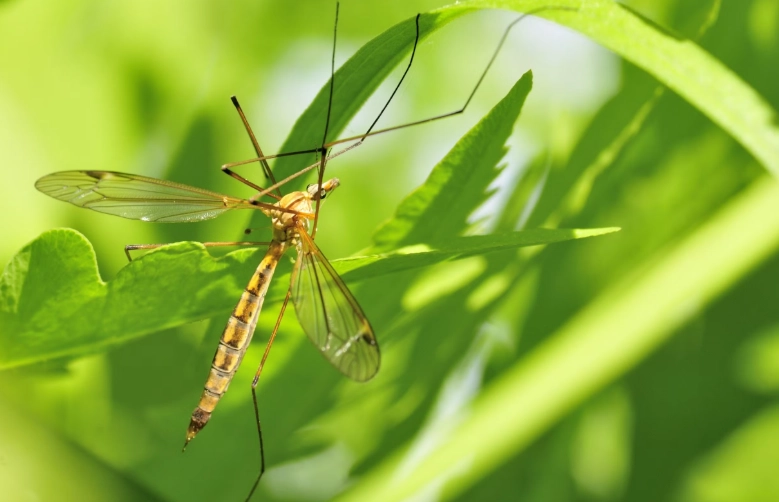
Spotting the Difference: Crane Fly vs. Mosquito
This is the million-dollar question for most Floridians. The confusion is understandable, but the differences are stark once you know what to look for. I keep a mental checklist now when something flies by.
| Feature | Crane Fly | Mosquito |
|---|---|---|
| Size | Much larger. Body can be 1 inch long, legspan up to 2.5 inches. Looks "gangly." | Small and compact, rarely over 1/4 inch long. |
| Body Shape | Slender, cylinder-shaped body that tapers at both ends. Looks fragile. | Compact, humpbacked body when at rest. |
| Legs | Extremely long, thin, and fragile. Often break off easily. | Short, thin legs relative to body size. |
| Wings | Two clear wings, often held out to the sides at rest. May have dark veins or spots. | Two scaled wings held flat over the body at rest. |
| Proboscis ("Mouth") | None or a very short, soft one incapable of piercing skin. | Long, prominent, needle-like proboscis for piercing and sucking. |
| Behavior | Poor, wobbly fliers. Often seen bouncing against lights or walls. Harmless. | Agile, direct fliers. Land stealthily to bite. Disease vectors. |
| Sound | Usually silent, or a very faint buzz. | Distinct, high-pitched whining buzz near ears. |
See? Completely different animals. The most important row in that table is the proboscis. No stinger, no biter. That alone should be a huge relief. The presence of crane flies in Florida is not an indicator of a future mosquito problem. If anything, they occupy different ecological niches entirely.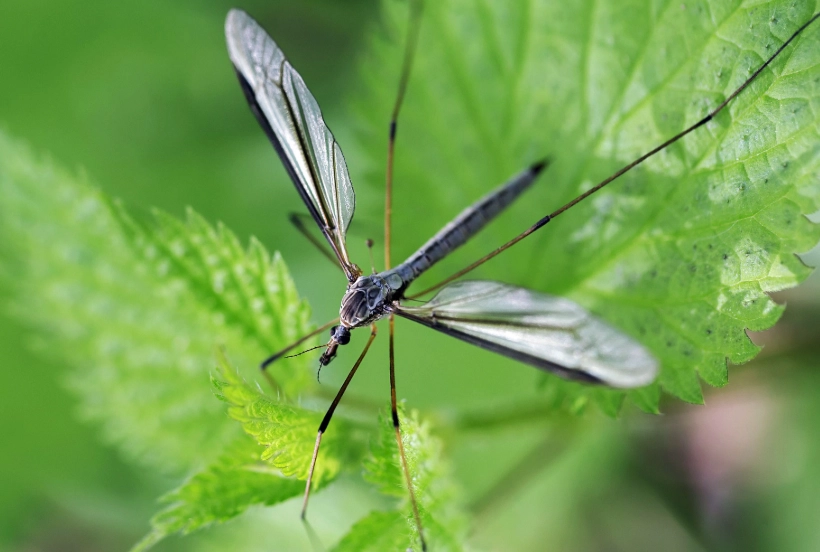
The Life Underground: When Crane Fly Larvae Become a Nuisance
Here's where the conversation gets a bit more nuanced. While the adults are innocent bystanders in the bug world, the larval stage can sometimes cross paths with human interests—specifically, our lawns. The larvae of some crane fly species are soil-dwellers. They munch on decaying plant matter, fungi, and the roots of grasses. In a healthy, balanced ecosystem, they're great little recyclers. But under certain conditions, their numbers can explode.
Think about a Florida lawn after a wet winter and early spring. It's the perfect nursery: moist soil, thatch buildup, and plenty of organic material. A large population of these larvae (the leatherjackets) feeding on grass roots can cause damage. You might see irregular brown patches, spongy turf, or even birds (especially robins and starlings) pecking away at your lawn—they're feasting on the grubs.
Now, a personal gripe. I think the pest control industry sometimes overhypes this threat. Not every brown patch is a crane fly larvae infestation. It could be a fungus, dog spots, or just poor irrigation. Before you declare war, you need to confirm the enemy. The University of Florida's Institute of Food and Agricultural Sciences (UF/IFAS) has excellent, science-based resources on this. They recommend a simple "tug test": if your grass pulls up easily like a loose carpet, revealing grayish-brown, legless grubs underneath, you might have a significant population. Their crane fly fact sheet is a must-read for any homeowner suspecting damage. It's a relief to have a local, authoritative source that isn't trying to sell you a service.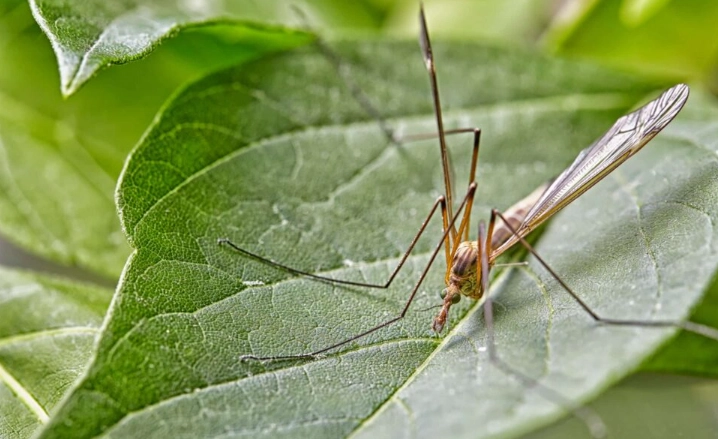
A Word of Caution: Please, please don't reach for a broad-spectrum insecticide at the first sign of a crane fly adult. It's ineffective (the adult is about to die anyway), environmentally harmful, and kills beneficial insects that actually do help control pests. It's like using a sledgehammer to swat a fly that's already dead on its feet.
Effective, Sensible Control Strategies for Florida Homeowners
Okay, let's say you've done the tug test, maybe even consulted with your local county extension office (a fantastic and often free resource), and you've confirmed a problematic larvae population. What now? The goal is management, not annihilation. Remember, they are part of the local ecosystem.
Cultural Controls (The Best First Step): This is about making your lawn less inviting. Crane fly larvae love moist, thatchy conditions.
- Improve Drainage: Aerate compacted soil to allow water to drain better. Avoid overwatering.
- Reduce Thatch: Dethatch your lawn regularly. This removes their prime feeding ground and habitat.
- Mow High: Keeping grass a bit taller (around 3-4 inches for St. Augustine) encourages deeper root growth, making it more resilient.
- Use Less Nitrogen Fertilizer in Fall: Lush, late-season growth can create perfect conditions for egg-laying adults.
Biological Controls (Let Nature Help): This is my preferred route. Encourage the natural predators that already live in Florida.
- Birds: Put up a bird feeder or bath. Birds are voracious consumers of larvae and adults.
- Beneficial Nematodes: These are microscopic worms you can water into your lawn. They specifically seek out and kill soil-dwelling larvae like leatherjackets. They're safe for pets, people, and plants. Products containing Steinernema feltiae or Heterorhabditis bacteriophora are effective.
- Ground Beetles: These predators love grubs. Providing habitat like rock piles or log sections can help them thrive.
Chemical Controls (The Last Resort): If cultural and biological methods aren't enough, and damage is severe, targeted insecticides might be considered. Always identify the pest correctly first (is it crane fly larvae or something else, like chinch bugs?). If you go this route:
- Use a product specifically labeled for crane fly or leatherjacket control in turfgrass.
- Apply it when the larvae are small and actively feeding near the surface, usually in early spring or fall.
- Water it in lightly to move the product into the thatch layer.
- Follow the label instructions to the letter. It's the law, and it's for everyone's safety.
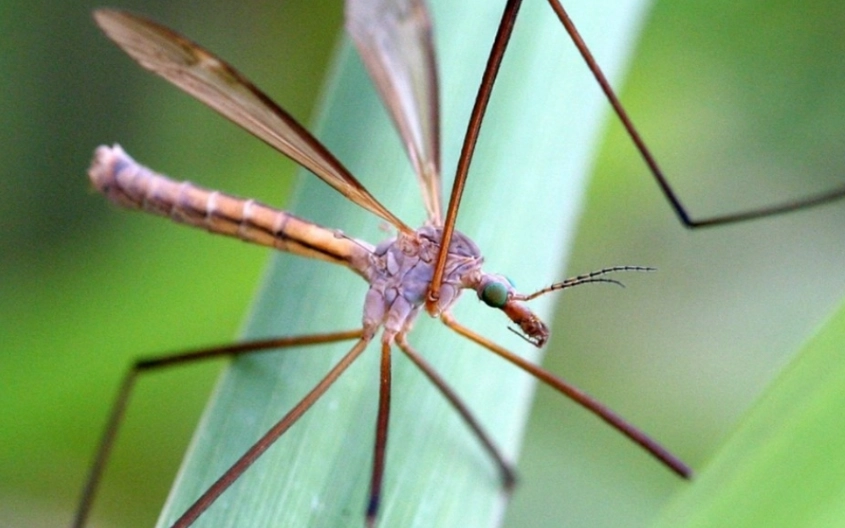
I tried beneficial nematodes on a persistent patch in my side yard a few years back. I was skeptical—it seemed too easy. You just mix this powder in a watering can? But honestly, combined with better aeration, the problem area thickened up noticeably by the next season. It wasn't an overnight fix, but it felt like a win for a more balanced yard.
Answering Your Top Questions About Crane Flies in Florida
Living With (and Appreciating) Florida's Crane Flies
My perspective on these insects has completely changed since I started paying real attention. Seeing a crane fly in Florida used to be a minor annoyance. Now, it's a sign of the season—a harmless, if awkward, part of the natural world doing its thing. They are not our enemies.
The adult crane fly's brief, bumbling flight is a reminder of how much insect life is focused on simple, short-term goals. The larvae, when in balance, are tiny custodians of the soil. The challenge arises only when our perfectly manicured Florida lawns create an unbalanced, all-you-can-eat buffet for them.
The goal shouldn't be a crane-fly-free existence. That's impossible and ecologically unsound. The goal is understanding. Knowing that the "giant mosquito" is harmless takes away the fear. Knowing how to maintain a healthy, resilient lawn minimizes the rare chance of damage. It's about co-existence, not eradication.
So next time one of those long-legged aeronauts drifts into your patio space, maybe just open the door wider and shoo it out toward the night. It's not a mosquito hawk, but it's also not a villain. It's just a crane fly, a common and mostly harmless part of living in Florida's vibrant ecosystem.
Final Thought: The story of the crane fly in Florida is really a story about us—about our willingness to look closer, learn the facts, and manage our surroundings thoughtfully instead of reacting with fear to something that looks a bit strange. Our yards and gardens are healthier for it.
LEAVE A REPLY
Your email address will not be published. Required fields are marked *