Quick Navigation
- What Exactly Are Termites and Why Should You Care?
- The Different Types of Termites and Their Spread Rates
- Key Factors That Influence How Fast Termites Spread
- A Real-World Timeline: From Infestation to Major Damage
- How to Spot Early Signs of Termite Spread
- Slowing Down and Preventing Termite Spread
- When Professional Help is Non-Negotiable
- Wrapping It Up: Key Takeaways on Termite Spread Speed
I remember the first time I saw termite damage up close. A friend of mine had this beautiful wooden deck, and over one summer, it just started crumbling. When he pulled back a board, it was hollowed out – like something out of a horror movie. That’s when it hit me: how fast do termites spread, really? Most people think they’re slow, but let me tell you, that’s a dangerous assumption. In this guide, I’ll break down everything you need to know about termite spread speed, from the science behind it to the practical steps you can take to protect your home. And yeah, I’ll share some personal blunders too – because learning from mistakes is what makes this stuff stick.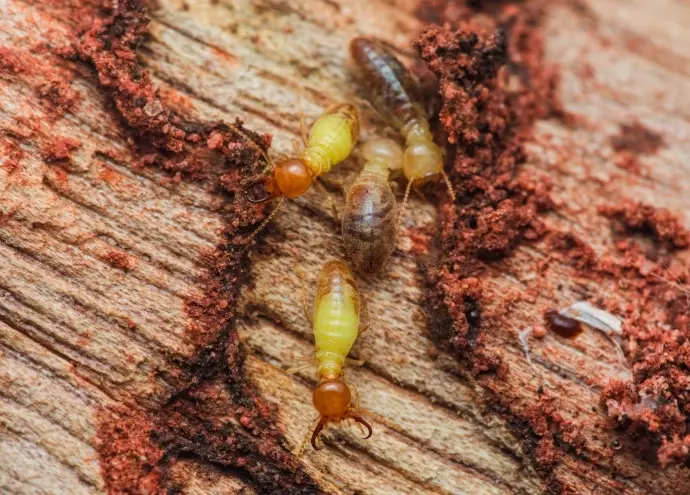
Termites aren’t just bugs; they’re silent destroyers. If you own a home, especially in a warmer climate, understanding how fast termites spread can save you thousands in repairs. I’ve spent years talking to pest control pros and digging into research, and the answers might surprise you. It’s not just about speed; it’s about the conditions that let them thrive while you’re none the wiser.
What Exactly Are Termites and Why Should You Care?
Termites are social insects that live in colonies, and they feed on cellulose – basically, wood and plant materials. They’re often called “white ants,” but that’s misleading because they’re more related to cockroaches (weird, right?). The big deal with termites is their ability to cause structural damage. According to the National Pest Management Association (NPMA), termites cause over $5 billion in property damage annually in the U.S. alone. That’s a staggering number, and it all comes down to how fast they can spread through a building.
But here’s the thing: termite spread isn’t uniform. It depends on the species, environment, and even the age of the colony. When people ask “how fast do termites spread,” they’re usually worried about their home collapsing overnight. Thankfully, it’s not that dramatic, but the timeline can still be shockingly short if conditions are right. I’ve seen cases where a small infestation turned into a major problem in under a year. It’s why early detection is so crucial.
The Different Types of Termites and Their Spread Rates
Not all termites are created equal. In the U.S., there are three main types you’ll encounter, and each has its own pace when it comes to spreading. Knowing which one you’re dealing with can help you gauge the risk better.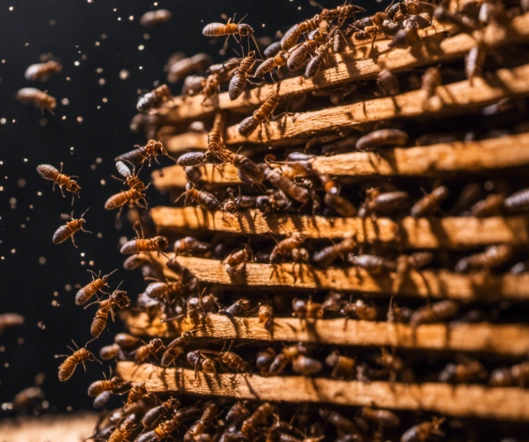
Subterranean Termites: The Fast and Furious Invaders
Subterranean termites are the most common and destructive type in North America. They live in soil and build mud tubes to access above-ground food sources. How fast do subterranean termites spread? Well, a mature colony can have hundreds of thousands of members, and they can consume about a pound of wood per day. That means they can do significant damage in just a few months if they find a good food source. I once read a study from the University of Kentucky that noted these colonies can grow rapidly in warm, moist conditions – sometimes expanding their territory by several feet per year. It’s creepy to think about them tunneling under your lawn right now.
Drywood Termites: The Slow but Steady Destroyers
Drywood termites, on the other hand, live directly inside the wood they eat. They don’t need contact with soil, which makes them harder to detect. Their spread is slower – a colony might start with just a few hundred termites and take years to grow. But don’t get complacent. I’ve talked to homeowners who ignored small signs, only to find entire roof beams compromised after five years. How fast do drywood termites spread? It’s more about gradual, hidden damage that adds up over time. The USDA Forest Service has some great resources on their biology, highlighting that they thrive in dry, undecayed wood, often in attics or furniture.
Dampwood Termites: The Moisture Lovers
Dampwood termites prefer wet, decaying wood, so they’re less common in well-maintained homes. They spread slowly because they depend on high moisture levels. If you have a leaky pipe or poor drainage, though, they can become a problem. Their colonies are smaller, but they can still cause localized damage if left unchecked. Honestly, I think dampwood termites are the least of most people’s worries, but they’re worth mentioning because they show how environment drives termite spread speed.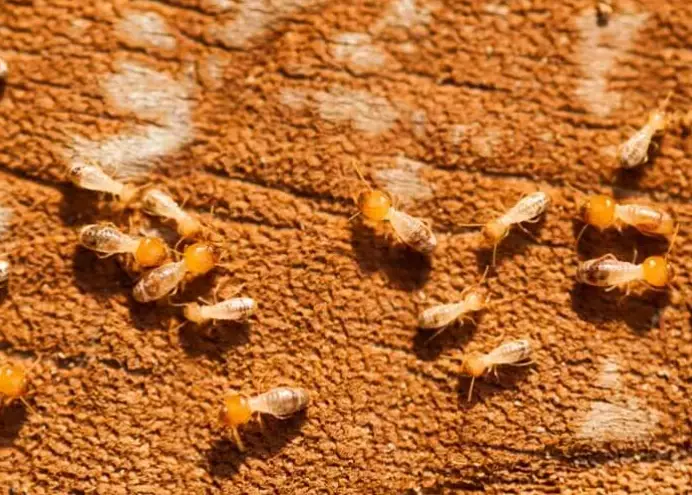
Here’s a quick comparison table to sum it up. I love tables because they make complex info digestible – and yeah, I’m a bit of a nerd that way.
| Termite Type | Typical Spread Speed | Colony Size | Common Damage Timeline | Key Habitats |
|---|---|---|---|---|
| Subterranean Termites | Fast (can infest a home in months) | Up to 1 million+ | Significant damage in 1-3 years | Soil, foundations, moist areas |
| Drywood Termites | Slow but steady | Few thousand | Noticeable damage in 3-8 years | Dry wood, attics, furniture |
| Dampwood Termites | Slow (dependent on moisture) | Several hundred | Localized damage over years | Decaying wood, leaks, damp spots |
See? That table really puts things in perspective. But remember, these are general estimates. Real-life termite spread can vary wildly based on factors I’ll dive into next.
Key Factors That Influence How Fast Termites Spread
If you’re wondering how fast do termites spread in your specific situation, it’s not a one-size-fits-all answer. Several elements come into play, and some of them are within your control. I’ve seen homes where termites went wild because of simple oversights, and others where they barely made a dent. Let’s break it down.
First up is climate. Termites love warmth and humidity. In tropical or subtropical regions, like the Southern U.S., termites are active year-round, which speeds up their spread. Colder areas might slow them down, but they can still thrive in heated homes. The EPA notes that climate change might even expand termite habitats northward – something to keep an eye on.
Food availability is huge. Termites need cellulose, so if your home has lots of wood-to-soil contact (like deck posts or mulch against the foundation), you’re basically rolling out the red carpet. I made this mistake myself once, piling firewood next to my house. Big regret. It took only a few months for termites to find it and start exploring the siding.
Colony age matters too. A young colony might spread slowly as it builds numbers, but a mature one can send out swarmers to start new colonies nearby. That’s how termite spread can accelerate – suddenly, you have multiple infestations. According to research from entomology departments, a single subterranean termite colony can produce thousands of swarmers in a season, each capable of starting a new nest. Scary, right?
Moisture is another biggie. Termites need water to survive, so leaks, poor drainage, or high humidity can boost their spread. I’ve heard stories from pest controllers about homes where a simple gutter issue led to a full-blown infestation in under a year. It’s why maintaining your home’s exterior is so critical.
Lastly, the type of wood matters. Some woods, like cedar or treated lumber, are more resistant, but termites will eat through most things if they’re hungry enough. In my experience, older homes with untreated wood are especially vulnerable.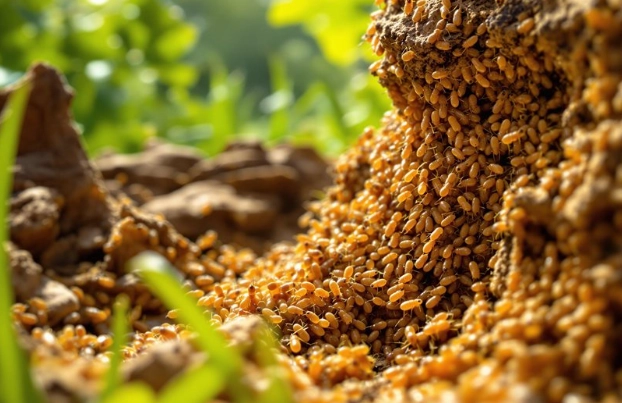
Pro tip: Regularly inspect your home for moisture problems and wood-to-soil contact. It’s boring, I know, but it can dramatically slow down how fast termites spread. I learned this the hard way after that firewood incident cost me a few hundred bucks in repairs.
A Real-World Timeline: From Infestation to Major Damage
Let’s get concrete. How fast do termites spread in a typical home scenario? I’ll walk you through a hypothetical timeline based on common cases I’ve researched and heard about from experts. This isn’t meant to scare you – just to give you a realistic picture.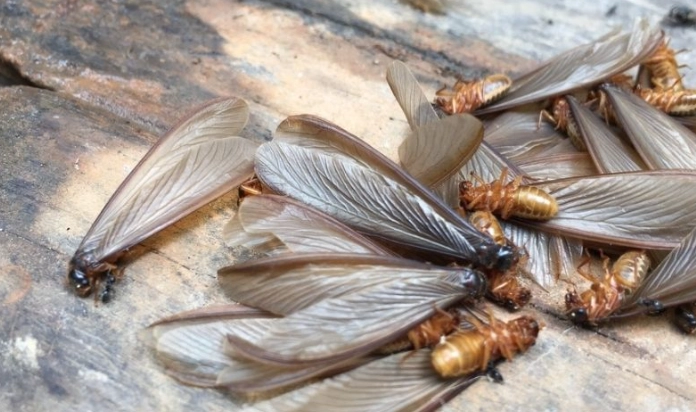
In the first few months, termites might enter your home through cracks in the foundation or via mud tubes. They’ll start feeding on hidden wood, like floor joists or wall studs. You probably won’t notice anything unless you’re actively looking. I remember a neighbor who found termites during a renovation – they’d been there for six months, and the damage was already visible in the subfloor.
By the one-year mark, a subterranean termite colony could have caused structural weakening in key areas. Drywood termites might just be getting started, but they could have hollowed out small sections of furniture or trim. The NPMA suggests that annual inspections can catch things at this stage, saving you a lot of hassle.
After three years, the spread can become severe. Subterranean termites might have compromised support beams, leading to sagging floors or doors that won’t close. Drywood termites could have spread to multiple rooms. I read a case study from a pest control company where a home needed $20,000 in repairs after three years of undetected termite activity. Ouch.
Beyond five years, the damage can be extensive, potentially requiring major renovations. At this point, the termite spread speed has likely accelerated as colonies grow and multiply. It’s a sobering thought, but it underscores why you shouldn’t ignore early signs.
Here’s a personal anecdote. A friend in Florida ignored some winged insects in his garage, thinking they were ants. Two years later, he had to replace an entire wall. The termites had spread from the garage into the main house, and the repair bill was astronomical. It taught me that how fast termites spread isn’t just about biology – it’s about human awareness too.
How to Spot Early Signs of Termite Spread
Detecting termites early is your best defense against rapid spread. I’ve compiled a list of signs based on my own experiences and advice from pros. Keep an eye out for these – they might seem minor, but they’re red flags.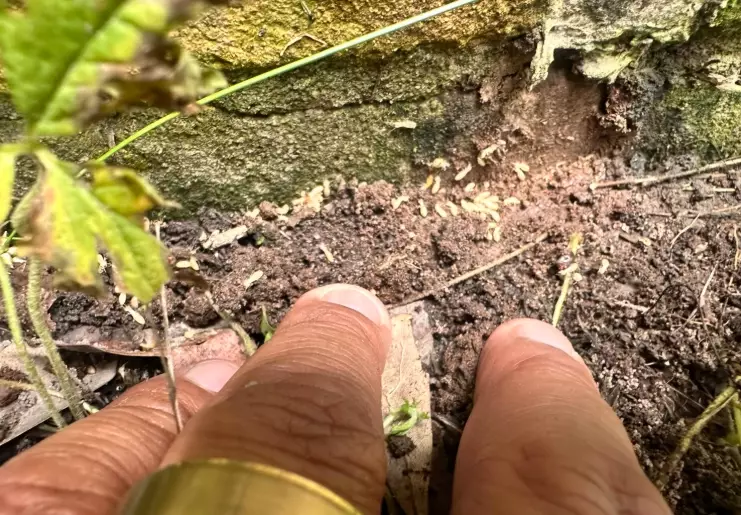
- Mud tubes: These are pencil-sized tunnels on foundations or walls. Subterranean termites use them to travel. I once found some in my basement, and it freaked me out – they look like tiny dirt highways.
- Hollow-sounding wood: Tap on wooden surfaces. If they sound hollow or papery, termites might have eaten the inside. I check my deck every spring now, just in case.
- Frass: This is termite droppings – little pellets that look like sawdust. Drywood termites leave it behind. I’ve seen it accumulate in attics, and it’s a sure sign of activity.
- Swarmers: Winged termites flying around, especially in spring. They’re often mistaken for flying ants. I made that mistake once, and it cost me. Now, I catch a few and compare them to online guides from sources like the University of California’s Integrated Pest Management Program.
- Blistered wood: Wood that appears dark or blistered can indicate moisture damage from termites. It’s subtle, but worth investigating.
If you see any of these, don’t panic. But do act quickly. The sooner you address it, the slower the termite spread will be. I recommend keeping a log of sightings – it helps professionals assess the situation later.
Slowing Down and Preventing Termite Spread
Prevention is way cheaper than cure. Over the years, I’ve tried various methods, some successful, some not. Here’s what actually works to slow down how fast termites spread, based on my trials and research.
First, reduce moisture around your home. Fix leaks, ensure gutters are clean, and use dehumidifiers in damp areas. Termites thrive in wet environments, so this is a big one. I installed a French drain in my yard after a rainy season caused pooling near the foundation – it made a noticeable difference.
Eliminate wood-to-soil contact. Keep firewood, mulch, and lumber away from your house. Use concrete or metal barriers instead. I switched to gravel around my foundation, and it’s not as pretty, but it’s effective.
Seal entry points. Caulk cracks in the foundation and around pipes. Termites can squeeze through tiny gaps, so be thorough. I spent a weekend doing this, and it felt tedious, but it’s paid off.
Consider termite-resistant materials when building or renovating. Treated wood, steel, or composite materials can deter termites. It’s more expensive upfront, but it saves money long-term. I used treated lumber for a shed rebuild, and it’s held up great.
Regular inspections are key. Hire a professional annually, or do it yourself if you’re confident. The NPMA offers guidelines on what to look for. I do a DIY check every fall, focusing on basements and attics.
For existing infestations, treatments like bait systems or liquid barriers can slow spread. But honestly, I’m wary of DIY chemicals – they can be ineffective or even hazardous. I tried a store-bought spray once, and it just drove the termites deeper into the walls. Not recommended.
Sometimes, prevention feels overwhelming. But take it step by step – even small actions can curb termite spread speed.
Common Questions About How Fast Do Termites Spread
When Professional Help is Non-Negotiable
Look, I’m all for DIY, but with termites, there are times you need to call in the pros. Based on my experience, here’s when it’s worth the cost.
If you see widespread signs – like mud tubes on multiple walls or swarmers indoors – it’s beyond a simple fix. Professionals have tools like moisture meters and infrared cameras to assess the extent. I waited too long once, and the infestation had spread into hard-to-reach areas, making DIY impossible.
When damage is structural, don’t gamble. Sagging floors or cracked walls indicate advanced spread. A pro can evaluate safety and recommend repairs. I consulted a structural engineer after termites damaged a beam, and it saved me from a costly collapse.
For recurring infestations, professional treatments offer longer-lasting solutions. They use integrated pest management (IPM) approaches, which combine methods for better results. The EPA has resources on IPM that I found helpful when choosing a service.
Also, if you’re buying or selling a home, a professional inspection is mandatory in many areas. It gives peace of mind and can reveal hidden termite spread. I’ve been on both sides of real estate deals, and skipping this step is a recipe for disaster.
In my opinion, the cost of professional help – usually a few hundred to a couple thousand dollars – is worth it compared to repair bills that can hit tens of thousands. I’ve made that calculation myself after my DIY failures.
Wrapping It Up: Key Takeaways on Termite Spread Speed
So, how fast do termites spread? The answer is: it depends, but often faster than you’d think. From subterranean termites causing damage in months to drywood types lurking for years, the variability is huge. Factors like climate, moisture, and colony age play massive roles.
I’ve shared my ups and downs with termites because real stories make this stuff relatable. Whether it’s that firewood mistake or the vintage dresser fiasco, learning from errors has taught me more than any textbook. The bottom line is, termite spread speed isn’t just an academic topic – it’s about protecting your home and wallet.
Stay vigilant with inspections, address moisture issues, and don’t hesitate to seek professional help when needed. Resources like the National Pest Management Association or USDA Forest Service can provide updated info, but nothing beats hands-on awareness. Remember, termites are out there, but with the right knowledge, you can keep them at bay.
Thanks for reading – and good luck keeping those silent invaders in check!
LEAVE A REPLY
Your email address will not be published. Required fields are marked *