Quick Guide
Let's be honest, finding a large spider in your Kansas home or garage can be a real heart-stopper. One minute you're reaching for a gardening tool, the next you're locked in a staring contest with something hairy and leggy in the corner. I've been there, jumping back more times than I'd like to admit. But here's the thing most people don't realize: the vast majority of these large spiders in Kansas are not only harmless but actually beneficial. They're out there eating the bugs you really don't want around, like mosquitoes, flies, and crop pests.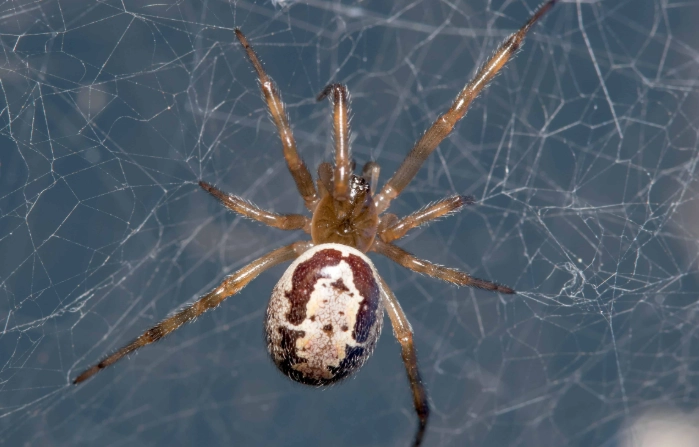
The problem is, when you see a big one, fear takes over. You just want to know what it is, if it's dangerous, and what you should do. That's where this guide comes in. We're going to move past the generic fear and get into the specific details of what you're actually looking at. Kansas has a surprising variety of arachnids, from the completely harmless giants to a couple you should give a respectful amount of space. I've talked to local extension agents, dug into resources from places like Kansas State University's Research and Extension, and combined it with plenty of my own observations from years living here. My goal isn't to make you love spiders (though that would be nice), but to give you the knowledge to coexist a bit more peacefully, or at least know when to call in the pros.
Meet the Cast: Common Large Spiders You'll Find in Kansas
When people search for "large spiders in Kansas," they're usually picturing a few specific types. Size, of course, is relative. What feels huge crawling on your wall might be normal to an entomologist. For our purposes, we're talking about spiders with a leg span that makes you do a double-take—typically over an inch, and often much more. Let's break them down.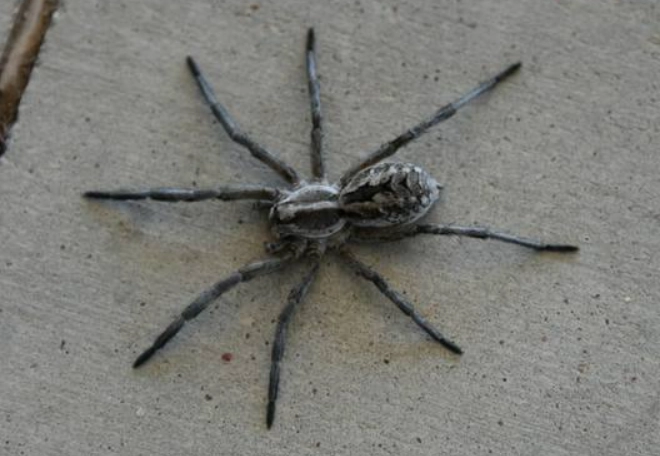
Wolf Spiders: The Rugged, Speedy Hunters
Hands down, wolf spiders are the most commonly encountered large spiders in Kansas. They're the ones you see scurrying across your basement floor or bolting through the grass when you move a log. They don't build webs to catch prey; they're active hunters, which is why they have those robust, powerful-looking bodies and excellent eyesight.
I remember one evening on my patio, a wolf spider with a leg span easily over two inches was just sitting there. Under the light, its eyes gleamed like tiny diamonds—a classic wolf spider trait. They can look intimidating, but they're utterly harmless to humans. Their bite is comparable to a bee sting and they are not aggressive. If you can bear it, leaving them be means you have a fantastic pest control agent on duty. They're one of the primary reasons you might go looking for information on large spiders in Kansas.
Tarantulas: The Gentle Giants of the Plains
Yes, Kansas has native tarantulas! The Oklahoma brown tarantula (Aphonopelma hentzi) is found in the southern and western parts of the state, particularly in drier, rocky areas. These are arguably the largest spiders in Kansas, with bodies up to 2 inches long and leg spans reaching 4-5 inches. Seeing one for the first time is unforgettable.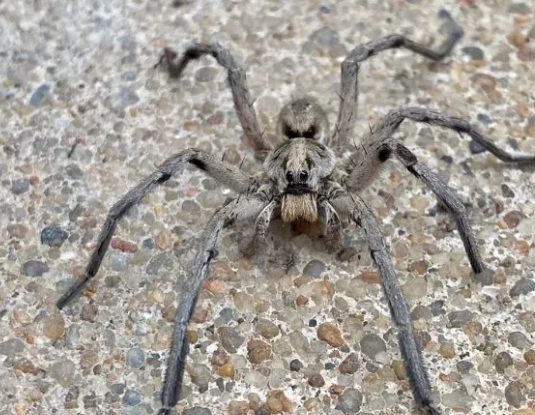
Despite their Hollywood reputation, these tarantulas are docile. Their primary defense is flicking urticating hairs from their abdomen, which can irritate skin and eyes, so it's best not to handle them. They spend most of their time in burrows and are most visible in late summer and fall when mature males wander in search of females. Their presence is a sign of a healthy, undisturbed grassland ecosystem. If you're lucky enough to see one, consider it a privilege, not a pest.
Orb Weavers: The Artistic, Garden-Dwelling Giants
This is a family of spiders, not a single species, and some members get very large. The classic example is the black and yellow garden spider (Argiope aurantia). With a chunky, brightly colored abdomen and long legs, she can be quite the spectacle in late summer gardens, often sitting head-down in the center of a massive, intricate circular web. I have one that sets up shop by my sunflowers every year. Her web is a feat of engineering.
Other large orb weavers in Kansas include the barn spider (similar to Charlotte from the story) and various "cat-faced" spiders. They are completely harmless, beneficial, and their webs, though sometimes inconvenient, are temporary. They're a key part of controlling flying insect populations.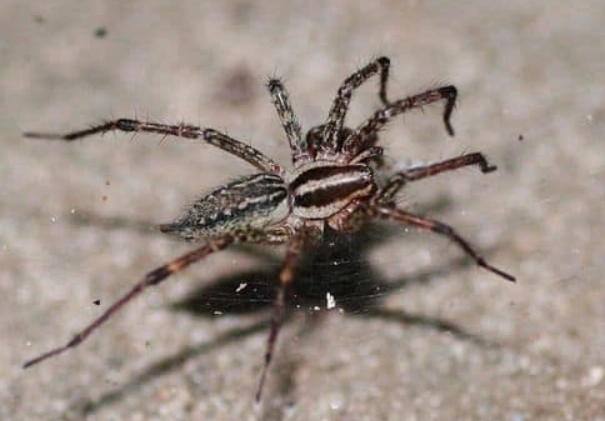
Funnel Weavers (Grass Spiders): The Common House Guest
Often confused with wolf spiders, funnel weavers are the ones that build the flat, sheet-like webs with a funnel-shaped retreat in corners, window wells, or grass. The spider itself is usually medium to large, with long spinnerets visible at the end of its abdomen. They are lightning fast when prey hits their web. You'll find these all over Kansas, and while they can wander indoors, they pose no threat. Their webs are just a bit of a nuisance to clean up.
The Two Notable Exceptions: Spiders to Recognize and Respect
While most large spiders in Kansas are benign, two smaller (but often included in "large spider" searches due to their notoriety) species have venom of medical concern.
Brown Recluse: This is the big one in terms of concern. It's not huge (body about 1/3 inch, leg span about the size of a quarter), but its venom can cause necrotic lesions. They are shy, reclusive (hence the name), and prefer undisturbed, cluttered areas like storage boxes, basements, and behind furniture. The key identifier is the dark, violin-shaped marking on its cephalothorax (the front body section), pointing toward the abdomen. K-State Research and Extension has excellent, detailed fact sheets on identifying and managing them. The fear is often overblown—most bites are minor and heal without severe issues—but correct ID and caution are wise.
Black Widow: Less common in Kansas than the recluse, but present. The female is glossy black with the famous red hourglass on the underside of her round abdomen. She builds messy, tangled webs in dark, sheltered spots like woodpiles, under eaves, or in crawl spaces. Her neurotoxic venom is potent, but bites are rare and fatalities extremely rare with modern medical care. Just watch where you put your bare hands.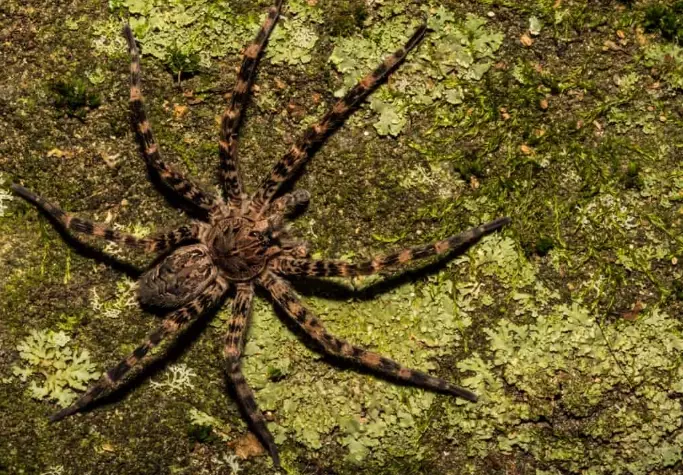
Here’s a quick comparison table to help you tell some of the common large, harmless spiders apart from the brown recluse:
| Spider | Typical Size (Leg Span) | Key Identifying Features | Habitat & Behavior | Danger Level |
|---|---|---|---|---|
| Wolf Spider | 1 - 3+ inches | Robust, hairy body; often has striped legs; runs fast; carries egg sac attached to spinnerets. | Ground dweller; active hunter; no web. Found in leaves, basements, gardens. | Very Low. Bites only in self-defense. |
| Grass Spider (Funnel Weaver) | Up to 2 inches | Long, pointed spinnerets at rear; two dark bands running length of body. | Builds flat, funnel-shaped web in grass, corners, window wells. | Very Low. Not aggressive. |
| Orb Weaver (e.g., Garden Spider) | Up to 2.5 inches | Large, often colorful abdomen; builds large, circular, ornate webs. | Gardens, between trees, on structures. Sits in web center. | None. Reluctant to bite. |
| Brown Recluse | ~1 inch | Dark violin shape on head/thorax; six eyes arranged in pairs (most spiders have eight); uniform light brown color; no stripes or spines. | Dark, undisturbed, indoor areas: boxes, closets, behind furniture. Shy and nocturnal. | Medically Significant. Seek ID confirmation. |
Why Are There Large Spiders in My Kansas Home?
It's the eternal question. Spiders don't move in to scare you; they follow the resources. For large spiders in Kansas, those resources are simple: food, shelter, and sometimes, mates.
- Food: Your home, unfortunately, is often a buffet of other insects. Flies, ants, cockroaches, pill bugs—all are spider food. If you have a lot of spiders, you likely have a lot of other bugs attracting them. Addressing the prey insects is the first step in spider management.
- Shelter: Basements, garages, attics, and cluttered storage areas mimic the natural crevices and sheltered spots spiders seek. They offer stable temperatures and protection from the elements and predators.
- Seasonal Movement: In fall, you'll often see a spike in spider sightings indoors. Males are actively searching for females, and many species are looking for a sheltered spot to overwinter.
So, finding large spiders in Kansas inside your house isn't a sign of filth; it's a sign of a structure that provides good opportunities. It's an ecological reality, not a personal failing.
Practical Spider Safety and Management: What Actually Works
Okay, so you know what they are. The next question is what to do about them. The spectrum ranges from peaceful coexistence to active removal. Here’s a tiered approach.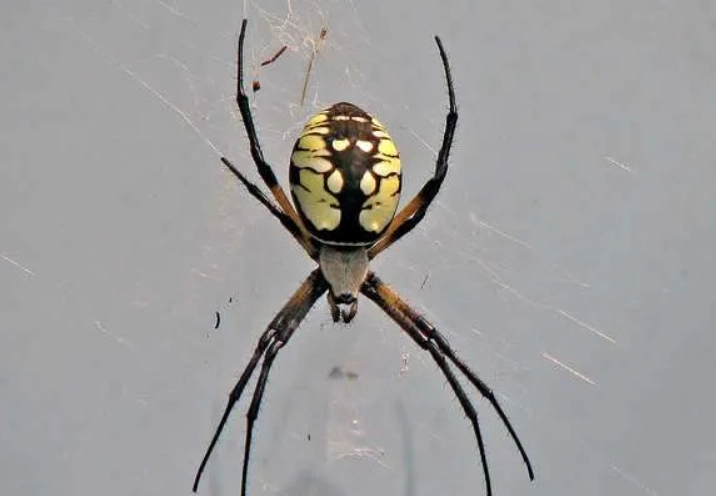
Prevention: Making Your Space Less Inviting
This is the most effective long-term strategy and is far better than reacting to every single spider.
- Seal Entry Points: Check and repair weather stripping around doors and windows. Seal cracks and crevices in the foundation, around utility pipes, and where siding meets the roofline with caulk or expandable foam. This helps with all pests, not just spiders.
- Reduce Clutter: This is especially critical for deterring brown recluses. Eliminate piles of boxes, papers, clothing, and other debris in storage areas. Store items in plastic, sealed totes instead of cardboard boxes.
- Control Other Insects: Use yellow bug lights outdoors to attract fewer flying insects. Keep kitchen areas clean, store food in sealed containers, and manage ant problems promptly. Less food means fewer spiders.
- Manage Outdoor Habitat: Keep vegetation, woodpiles, and debris away from your home's foundation. Trim back shrubs and tree branches that touch the house. This removes the "bridge" spiders use to get inside.
Non-Lethal Removal (The Catch-and-Release Method)
For the harmless large spiders in Kansas, this is my preferred method. It feels more balanced.
- Gather Supplies: A clear cup or glass and a stiff piece of paper (index card, postcard).
- The Maneuver: Slowly place the cup over the spider. Slide the paper carefully under the cup's rim, trapping the spider inside.
- The Release: Carry it outside and release it in a sheltered spot like a shrub or garden area away from the house. The spider gets to live and continue its pest control work, just not on your kitchen wall.
When to Consider Professional Help
DIY isn't for every situation. Call a licensed pest management professional if:
- You have a confirmed or suspected infestation of brown recluses or black widows, especially in a home with children, elderly, or immunocompromised individuals. Professionals have the tools and targeted insecticides for these specific situations.
- The sheer number of spiders (of any kind) is overwhelming and causing significant distress. A pro can do a perimeter treatment and identify the core attractants.
- You are unable or unwilling to do the extensive clutter reduction and sealing work required for recluse management.
For general information on integrated pest management (IPM) principles, which focus on long-term prevention, the EPA's website is a solid resource that aligns with what most quality professionals will recommend.
Answering Your Biggest Questions About Large Spiders in Kansas
Are any of the large spiders in Kansas deadly?
This is the number one fear. The short answer is: it's incredibly, incredibly unlikely. While the brown recluse and black widow have venom that can cause serious medical issues, deaths are extraordinarily rare in the United States, especially with access to modern healthcare. The last confirmed death from a black widow bite in the U.S. was decades ago. For the large spiders in Kansas like wolf spiders, tarantulas, and orb weavers, there is no risk of a life-threatening bite. Their venom is designed for insects, not people.
What should I do if I think I've been bitten?
First, stay calm. Most skin lesions are not spider bites. They are often infections, reactions to other arthropods (like fleas or mites), or even skin conditions. If you suspect a spider bite:
- Wash the area with soap and water.
- Apply a cool compress to reduce swelling.
- If possible, safely capture or photograph the spider for identification. This is crucial.
- Seek medical attention if you experience severe symptoms: increasing pain, a spreading ulcer at the bite site, muscle cramps, abdominal pain, headache, fever, or nausea. Always tell the doctor you suspect a spider bite.
Do wolf spiders chase people?
No. This is a persistent myth. Wolf spiders have poor eyesight for detail at a distance. If one runs toward you, it's almost certainly because you are between it and its chosen hiding place. They are running for cover, not attacking. They are much more afraid of you.
How can I tell a wolf spider from a brown recluse?
This is so important. Wolf spiders are hairy, often have patterned bodies or striped legs, are typically larger, and are active runners. Brown recluses are not hairy, have a uniform color (no stripes), have that distinct violin mark, and are shy, slow movers. If it's big, fast, and hairy, it's not a recluse.
Are tarantulas aggressive?
Not the native Kansas species. They are slow-moving and would rather retreat or play dead (thanatosis) than fight. Their first line of defense is those irritating hairs. They only bite as an absolute last resort. Watching one in the wild is an exercise in patience, not danger.
Changing the Narrative: The Ecological Role of Large Spiders
I get it. Instinctive fear is hard to overcome. But knowledge can at least lead to respect. These large spiders in Kansas are not villains; they are a critical part of the food web and provide free pest control services.
A single spider can consume hundreds of insects in a season. They help control populations of agricultural pests and disease vectors like mosquitoes. They are also a food source for birds, reptiles, and small mammals. Removing them indiscriminately can have unintended consequences for your local ecosystem, often leading to spikes in other, more problematic insect populations.
So, what's the final verdict?
Living in Kansas means sharing space with a diverse array of wildlife, and that includes arachnids. The search for information on large spiders in Kansas usually comes from a place of fear or urgency. My hope is that after reading this, that feeling can shift a bit—towards curiosity, identification, and informed action rather than panic.
You don't have to like them. You just have to know them. Recognize the harmless hunters like the wolf spider and the orb weaver. Respect and carefully manage the space you share with recluses and widows. And maybe, just maybe, the next time you see one of those large spiders in Kansas, you'll take a second to appreciate its role in the world before you gently show it the door.
LEAVE A REPLY
Your email address will not be published. Required fields are marked *