Quick Navigation
- What Exactly Is a Cockroach Cast Skin?
- Why Finding These Skins Is a Big Red Flag
- Identifying What You're Dealing With: A Quick Comparison
- The Step-by-Step Guide to Cleaning Up Cast Skins (The Right Way)
- Getting to the Root: How to Stop the Cast Skins From Appearing
- Your Cockroach Cast Skin Questions, Answered
Let's be honest, finding anything related to cockroaches in your home is a gut punch. It's that immediate sense of "oh, no" followed by a wave of disgust. But a dead roach is one thing—finding its empty, papery shell, a cockroach cast skin, is a whole different story. It feels more sinister, like evidence left behind. I remember the first time I saw one tucked behind a kitchen appliance. I thought it was a dead bug at first, but then I poked it (with a very long utensil, I might add) and it just crumbled. That's when I realized it was just the hollow exoskeleton. It was oddly fascinating and deeply unsettling at the same time.
Most people just sweep it up and try to forget it. But if you're here, you're smarter than that. You know this little shell is a clue. It's a signpost pointing to a larger problem, or at least the potential for one. Understanding what these cockroach cast skins are, why they're there, and what to do about them is the first—and most crucial—step in taking back control of your space.
What Exactly Is a Cockroach Cast Skin?
Think of it like a snake shedding its skin, but for insects. Cockroaches, like all insects with hard exoskeletons, have a problem: their outer shell doesn't grow with them. So, to get bigger, they have to break out of it. This process is called molting, and the discarded shell is the cockroach cast skin or exuviae.
The shell is a perfect, ghostly replica of the roach's body—legs, antennae, even the outlines of body segments. They're usually light brown, translucent, and incredibly brittle. You'll often find them in dark, sheltered spots where the roach felt safe enough to go through the vulnerable molting process: behind furniture, inside cabinets, in cardboard boxes, or tucked in the corners of closets.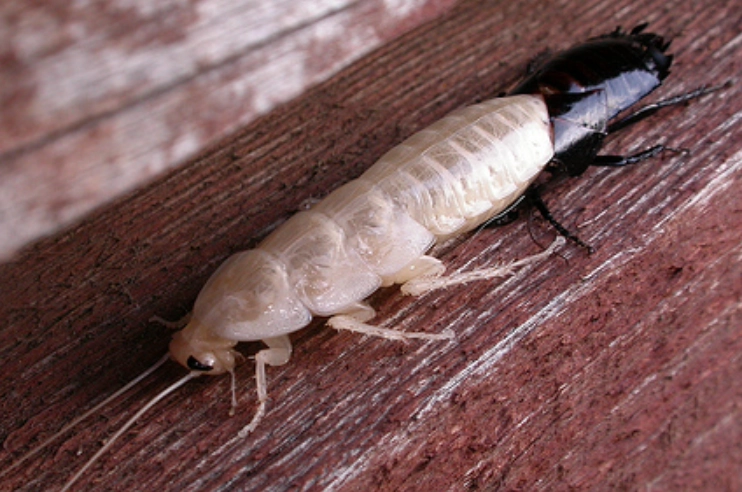
Why Finding These Skins Is a Big Red Flag
Okay, so a bug grew up. Why the fuss? Well, a single cockroach shedding event isn't a crisis. But finding these shells is rarely an isolated incident. It's evidence of an active, breeding life cycle happening in your home. Here’s what that evidence means:
- You Have an Active Population: Molting happens throughout a nymph's (baby roach's) life, from 5 to 13 times depending on the species. Finding multiple shells, especially of different sizes, means you have nymphs growing into adults. And where there are nymphs, there are breeding adults.
- It's a Major Allergy Trigger: This is the part most websites gloss over, but it's critical. Cockroach bodies, their saliva, their droppings, and their cast skins are potent allergens. The skins break down into fine dust that gets into the air. The U.S. Environmental Protection Agency (EPA) explicitly lists cockroaches as a source of indoor allergens linked to asthma and allergic reactions, especially in children. Those empty shells are literally littering your home with allergy fuel.
- It Points to Hidden Hubs: The location of the shells is a treasure map. They show you where roaches feel secure. Finding a cluster of them is like finding their favorite teenage hangout spot. It tells you exactly where to focus your inspection and treatment efforts.
Identifying What You're Dealing With: A Quick Comparison
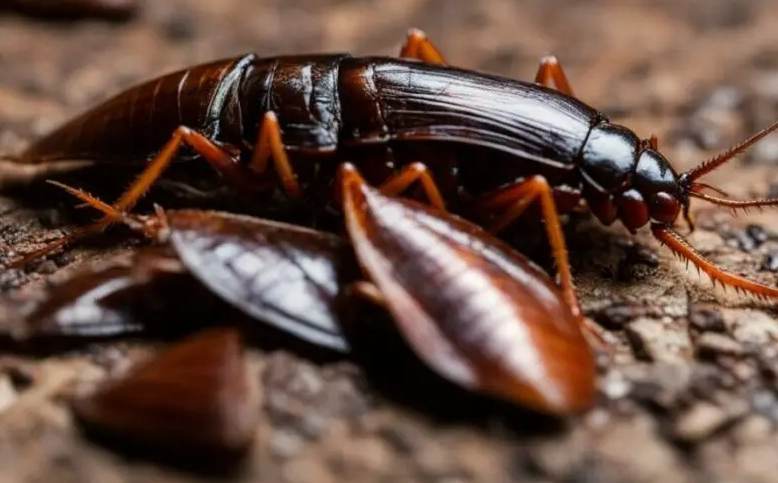
Not all roach shells are created equal. The species tells you a lot about the infestation's nature. Here’s a breakdown of the most common culprits:
| Cockroach Species | What the Cast Skin Looks Like | Typical Size of Shell | Where You'll Likely Find Them | What It Tells You About the Problem |
|---|---|---|---|---|
| German Cockroach | Light tan, almost translucent. Very delicate. Clearly defined shape with long antennae. | Small to medium (4mm to 12mm). Finding tiny ones is a sure sign of a growing population. | Kitchens & bathrooms exclusively. Inside appliances, drawers, under sinks, in motor compartments. | Severe indoor infestation. This is the #1 home-invading species. They breed incredibly fast. Action is urgent. |
| American Cockroach | Reddish-brown, larger, more robust shell. | Large (up to 40mm for a full adult shell). Can be startlingly big. | Basements, crawl spaces, drains, sewers, around water heaters, in garages. | Often indicates an invasion from outside or from sewer/pipe systems. May come indoors seeking water. |
| Oriental Cockroach | Dark brown or black, shiny appearance. | Medium to large (20-30mm). | Cool, damp areas. Basements, floor drains, under leaky pipes, under mulch outside. | Prefers cooler, damper environments. Points to moisture issues in your home. |
| Brown-Banded Cockroach | Small, light brown with two faint, lighter bands across the back (sometimes visible on the shell). | Small (10-14mm). | All over—not tied to kitchens. In bedrooms, living rooms, behind picture frames, inside electronics, furniture. | They spread throughout the home. Infestation can be widespread and harder to locate. |
Seeing this table really drove it home for me. I used to think a roach was just a roach. But finding those tiny, translucent German cockroach skins in my old apartment was what finally made me call a pro. I knew it wasn't just a stray visitor.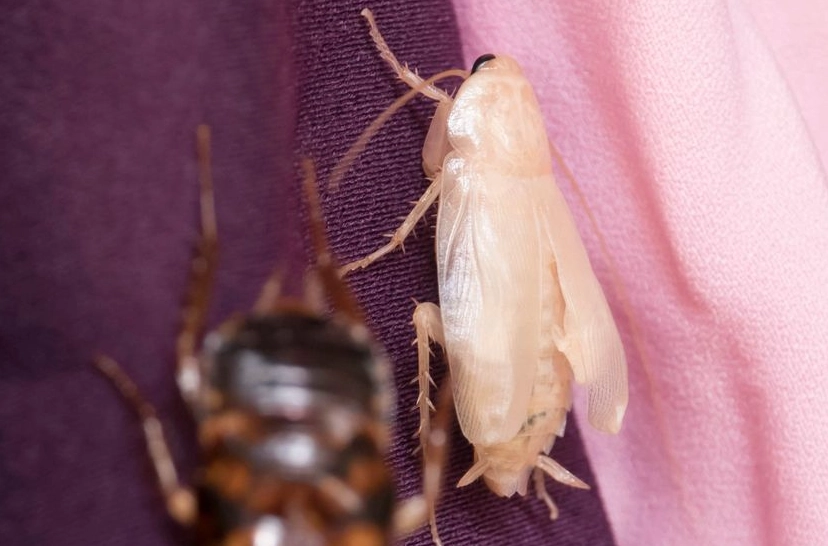
The Step-by-Step Guide to Cleaning Up Cast Skins (The Right Way)
You can't just sweep or vacuum casually. That can kick allergen particles into the air. Here’s a method that minimizes risk and maximizes effectiveness.
What You'll Need
- A high-quality vacuum cleaner with a HEPA filter. This is non-negotiable. A regular vacuum will blow the fine particles right out the exhaust.
- Disposable gloves and a dust mask (an N95 is ideal).
- Sealable plastic bags or a container with a lid.
- Damp paper towels or microfiber cloths.
- All-purpose cleaner or a vinegar/water solution.
The Cleaning Process
- Gear Up: Put on your gloves and mask. It feels like overkill until you think about breathing in that dust.
- Vacuum First: Use the hose attachment on your HEPA vacuum. Gently vacuum up all visible cockroach exoskeletons, droppings, and debris. Move slowly to avoid scattering them. Get into cracks, along baseboards, and behind objects. Pay special attention to the area where you found the most shells.
- Seal and Dispose: Immediately take the vacuum bag or empty the canister into a sealable plastic bag. Take that bag directly to an outdoor trash bin. Don't leave it sitting inside.
- Wipe Down: After vacuuming, go over the area with a damp cloth and cleaner. This picks up any remaining residue and allergens that the vacuum might have missed. Wipe down shelves, cabinet interiors, and other surfaces.
- Wash Your Hands: Even with gloves, wash up thoroughly afterward.
It's a bit of a process, but doing it right means you're actually removing the hazard, not just redistributing it.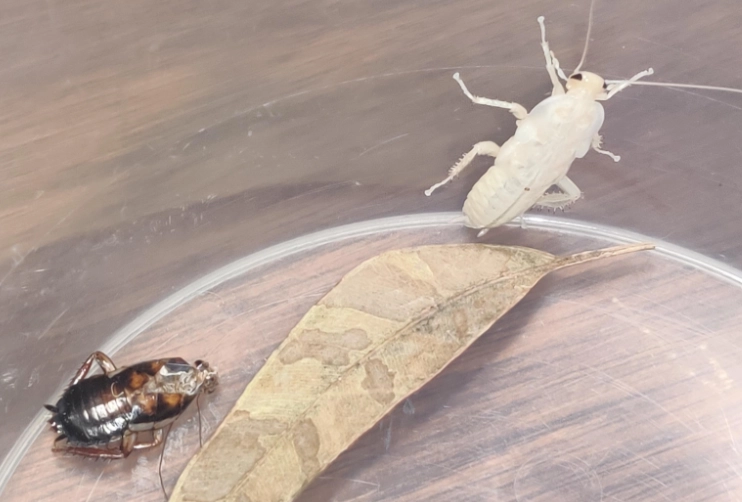
Getting to the Root: How to Stop the Cast Skins From Appearing
Cleaning up is reactive. Prevention is proactive. Your goal is to make your home a place where roaches can't live, grow, and therefore can't molt. This is a multi-front war.
Deny Them Food and Water (The Most Important Step)
This sounds basic, but execution is everything. Roaches need crumbs you can't even see.
- Store ALL food, including pet food, in airtight glass or hard plastic containers. No bags, no boxes.
- Never leave dirty dishes overnight. Wipe down counters, stovetops, and tables every single night.
- Take the trash out daily. Use a bin with a tight-fitting lid.
- Fix every single leaky faucet or pipe. Check under sinks, around the toilet, the water heater. Roaches can live a month without food but only a week without water. Denying water is a game-changer.
Seal Them Out
How are they getting in? Or moving between walls and your living space?
- Use caulk or sealant to close cracks in baseboards, around pipes under sinks, and where cabinets meet walls.
- Install door sweeps on exterior doors.
- Check window screens for tears.
- Reduce clutter, especially cardboard boxes (which they love to eat and hide in).
Choose Your Control Methods Wisely
If you have an active problem, cleaning and sealing alone won't kill the existing colony. You need an intervention.
For DIYers: Insect growth regulators (IGRs) are a smart choice. They mimic insect hormones and disrupt the molting process, preventing nymphs from maturing into breeding adults. They don't kill on contact but break the life cycle. Combine IGRs with gel baits. Gel baits are effective because roaches eat them and carry the poison back to their nests. Place small dabs in areas where you've seen activity or shells—not out in the open, but in corners, under shelves, behind appliances.
When to Call a Professional: Let's be real. If you're finding a lot of German cockroach cast skins, especially small ones, the infestation is likely well-established. Pros have access to stronger, more targeted products and, more importantly, the knowledge to find the main harborage areas. The cost of a pro treatment is often less than the cost of repeatedly buying ineffective store products and losing your peace of mind.
Your Cockroach Cast Skin Questions, Answered
Finding a cockroach cast skin is a moment of truth. You can ignore it and hope for the best, or you can see it for what it is: the single best piece of physical evidence you'll get about a hidden pest problem. It tells you where they are, that they're growing, and that they're comfortable. Use that information. Start with a meticulous clean-up to protect your health, then launch a strategic attack on their food, water, and entry points. It takes effort, but the payoff—a home free of these uninvited guests and their creepy leftovers—is worth every bit of it.
LEAVE A REPLY
Your email address will not be published. Required fields are marked *