Quick Guide Highlights
- What Do Thief Ants Look Like? Nailing the Identification
- Thief Ant vs. The Look-Alikes: Odorous House Ant and Pharaoh Ant
- Why Are Thief Ants Such a Nuisance? Understanding Their Biology
- How Do You Get Rid of Thief Ants? The Effective Control Strategy
- When to Call a Professional Exterminator
- Common Questions About Thief Ants (Answered)
- A Realistic Timeline and Final Thoughts
Ever seen a line of tiny, almost sluggish ants trailing from your pet's food bowl? Or maybe you've spotted a few scattered near a kitchen cabinet, so small they look like moving specks of pepper. You try to squish one, and it just... doesn't seem to care much. It wanders off slowly. You might think, "Well, at least they're not those aggressive fire ants." But let me tell you, what you're likely dealing with—the thief ant—can be a much more frustrating and persistent problem than its more famous, fiery cousin.
I remember the first time I truly noticed them. It wasn't an invasion, just a few here and there near the cat's dish. I wiped them up, moved the bowl, and thought nothing of it. Big mistake. A week later, they were coming from a tiny crack in the baseboard, and they'd found a forgotten cookie crumb in the pantry. That's their game. They're not loud or aggressive; they're stealthy. The name "thief ant" isn't for show. They sneak into the nests of other ants to steal their food and even their brood. In your house, they're just applying those same sneaky tactics to your pantry.
This guide is everything I wish I'd known back then. We're going deep on Solenopsis molesta—that's their scientific name. We'll figure out how to be sure it's really thief ants you're seeing, why they're such a unique pain to deal with, and most importantly, how to get rid of them for good. Not just with a spray that kills the ones you see, but with a strategy that takes out the colony you don't.
What Do Thief Ants Look Like? Nailing the Identification
This is step one, and it's crucial. Misidentifying your ant is the number one reason DIY pest control fails. So, let's get up close and personal with the thief ant's appearance.
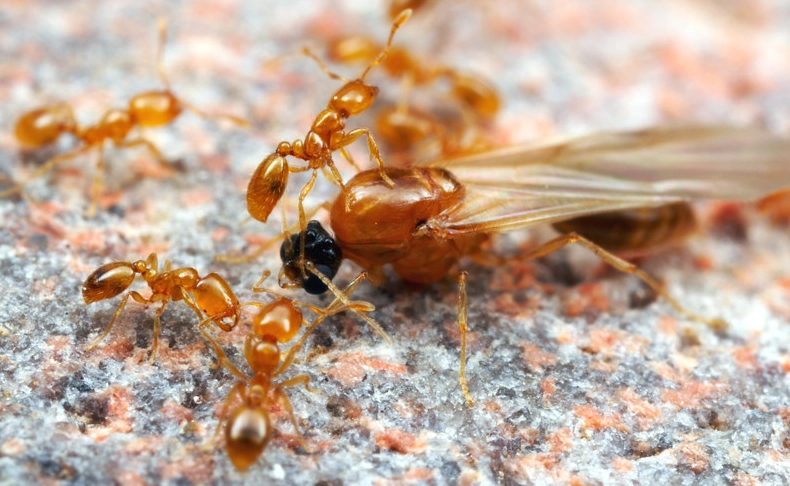
First off, they are small. Really small. Workers are typically 1.5 to 2.2 millimeters long. To give you a sense, that's about the size of the tip of a pen. They are a uniform yellowish, light brown, or sometimes reddish-brown color. They don't have a striped rear or a uniquely shaped head—they're just... tiny and monochrome.
They have two distinct body segments (the node and postnode) on their pedicel (the "waist" part), which is a key feature. But honestly, you'll need a magnifying glass to see that clearly. For the average person, the giveaway is their behavior combined with their size.
Thief Ant vs. The Look-Alikes: Odorous House Ant and Pharaoh Ant
This is where people get tripped up. The two most common imposters are the Odorous House Ant and the Pharaoh Ant. All three are tiny and love homes. Here’s a quick breakdown to spot the differences.
| Feature | Thief Ant | Odorous House Ant | Pharaoh Ant |
|---|---|---|---|
| Size | Very small (1.5-2.2 mm) | Small (2.5-3.5 mm) | Very small (1.5-2 mm) |
| Color | Yellowish to light brown | Dark brown to black | Yellow to light brown, abdomen often darker |
| Key Identifier | Extremely small, slow-moving. 2 nodes on waist. | Emits strong rotten coconut smell when crushed. | Very small, 2 nodes on waist, dark-tipped abdomen. |
| Nesting | Nests near other ants/food, often in wall voids, under floors. | Nests under debris, in mulch, inside wall voids near moisture. | Nests deep in wall voids, behind baseboards, in insulation. |
See the problem? The Pharaoh ant is almost identical in size and structure. The dark-tipped abdomen on Pharaoh ants is a good marker, but it's subtle. If you're unsure, your best bet is to look at their behavior. Thief ants are notoriously slow and non-aggressive. Pharaoh ants move with more purpose. Or, do the crush test: an odorous house ant will give off that tell-tale smell.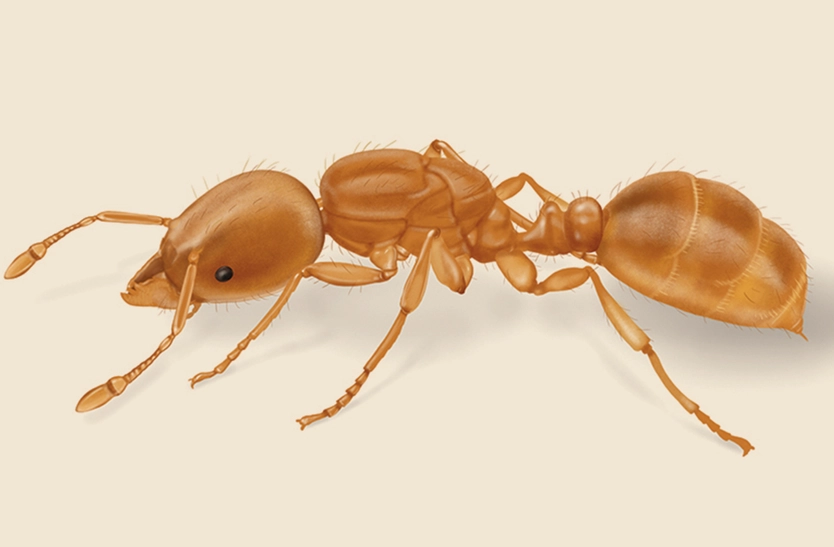
Why Are Thief Ants Such a Nuisance? Understanding Their Biology
You can't beat an enemy you don't understand. The thief ant's biology is what makes it a uniquely tricky pest. It's not just that they're small; it's how they live.
First, their name comes from their habit of stealing food from the brood (larvae and pupae) of other ant species. They'll tunnel into the nests of larger ants, like pavement ants, to rob them blind. This tells you something about their nature: they are opportunistic scavengers with a taste for protein and grease. In your home, they aren't just after sugar. They love pet food, meat scraps, grease splatter behind the stove, dead insects, and even cheese. This broad diet makes them harder to bait effectively.
Second, their colonies are often polydomous and polygynous. Fancy words, simple meaning: a single "infestation" might be multiple, interconnected nests (polydomy) with multiple queens in each nest (polygyny). So, if you manage to kill one nest, another nearby nest with its own queens can simply repopulate the area. It's a pest control nightmare.
Their nests are also incredibly cryptic. We're not talking about a mound in your yard. A thief ant colony can be nestled in a tiny cavity in a wall void, under flooring, behind baseboards, or even in insulation. They prefer to nest near other ants or near reliable food sources—which, in a home, is everywhere. A colony might only have a few hundred to a couple thousand workers, which is small for ants, but they can have many, many satellite nests.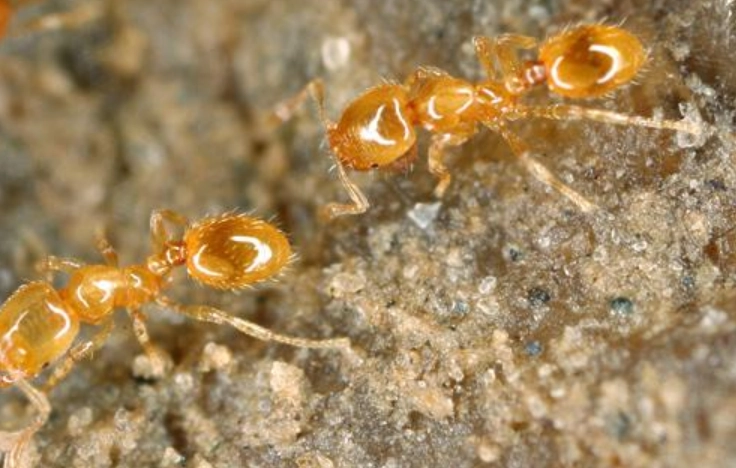
How Do You Get Rid of Thief Ants? The Effective Control Strategy
Okay, so you've identified them, and you understand why they're tough. Now, let's talk about winning the war. Forget the quick fixes. Effective thief ant control is a process, not a product. It combines sanitation, exclusion, and very targeted baiting.
Step 1: Inspection and Sanitation - Cut Off the Food Supply
This is the most boring but most critical step. Thief ants are attracted to food. Deny them that.
- Follow the Trail: Watch where they go. Don't kill them immediately. See if you can trace their line back to a crack, hole, or electrical outlet. This gives you clues about nest locations and entry points.
- Deep Clean: Wipe down all countertops, cabinets, and appliance exteriors with a vinegar or soapy water solution to erase scent trails. Pay special attention to grease buildup near the stove and toaster.
- Seal Food: Get airtight containers for pantry items like flour, sugar, cereal, and pet food. Don't leave pet food bowls out overnight. Empty trash cans regularly and keep them clean.
- Address Moisture: Fix leaky faucets and pipes. Even tiny amounts of water can support a satellite nest.
Think of sanitation as turning your home from a five-star ant resort into a barren wasteland. It forces them to rely solely on the bait you're about to put out.
Step 2: Baiting - The Only Reliable DIY Killer
With thief ants, baiting isn't just the best option; it's often the only effective DIY option. Sprays and dusts will fail because you can't reach the nested queens. The goal is to get the foragers to take a slow-acting poison back to the nest and share it, killing the colony from the inside.
But here's the catch: choosing the right bait is everything. Remember their diet? They love protein and grease, especially in spring and summer when they're feeding brood. Sweet baits might be ignored.
My personal experience, backed by entomologists, points to protein/grease-based baits as the first line of attack. Products containing indoxacarb, hydramethylnon, or fipronil in a protein matrix (like peanut butter or other oils) are good choices. You can find these at hardware stores or online.
Place the bait stations or gels in areas of activity but away from children and pets. Think along baseboards, behind appliances, in cabinets, and near suspected entry points. Do not spray insecticides near the baits! You'll kill the foragers and ruin the strategy.
Be patient. It can take several days to two weeks to see a significant decline. The ants need time to recruit others to the bait and feed it to the queen(s).
Step 3: Exclusion - Seal Them Out for Good
While the bait is working, seal up the house. Thief ants can fit through cracks the width of a credit card. Go around your home's exterior and interior with a tube of silicone caulk.
- Seal cracks in the foundation and around window/door frames.
- Check where utilities (pipes, wires) enter the house.
- Install door sweeps on exterior doors.
- Repair damaged screens.
When to Call a Professional Exterminator
Let's be real. Sometimes DIY isn't enough. If you've tried thorough sanitation and baiting for 3-4 weeks with no improvement, it's time. If the infestation is widespread (multiple rooms, multiple floors), it's time. If you're just plain tired of dealing with it, it's time.
A professional pest control operator (PCO) has tools and knowledge you don't. They can perform a more thorough inspection, possibly using tools to listen inside walls. They have access to professional-grade baits and non-repellent insecticides that can be applied in wall voids where nests reside. More importantly, a good PCO understands the biology of thief ants and will create a management plan, not just spray and leave.
Look for a licensed professional who mentions Integrated Pest Management (IPM) on their website. IPM focuses on the methods we've discussed: identification, monitoring, prevention, and control with the least possible hazard. Ask them about their experience with thief ants specifically.
Common Questions About Thief Ants (Answered)
- Size & Color: Thief ants are uniformly tiny (1.5-2.2mm) and yellowish/light brown. Red imported fire ant workers vary in size (2-6mm) and are dark reddish-brown.
- Behavior: Thief ants are slow, non-aggressive scavengers. Fire ants are fast, extremely aggressive, and will swarm and sting defensively.
- Nests: Thief ant nests are hidden indoors or in small soil cavities. Fire ants build large, noticeable soil mounds outdoors.
- Pain Factor: Thief ants = zero. Fire ants = a lot. Don't confuse them!
A Realistic Timeline and Final Thoughts
Let's set expectations. You won't solve a thief ant problem in a day.
- Week 1: Identification, deep cleaning, setting out test baits.
- Week 2-3: Heavy baiting with the preferred bait, continued sanitation, sealing entry points. You might see more activity initially as they find the bait—that's a good sign.
- Week 4+: Activity should drop dramatically and then stop. Continue monitoring with a few bait stations in hidden areas.
Thief ants are humbling. They remind you that the smallest creatures can be the most adaptively successful. Their strategy of stealth, opportunism, and decentralized colonies is brilliant from an evolutionary standpoint, even if it's maddening for a homeowner.
The path to victory isn't through brute force with sprays. It's through cunning. You have to be smarter than the thief. Use their own scavenging nature against them with the right bait. Eliminate their reasons for being in your home with impeccable sanitation. And finally, lock the doors behind them with careful exclusion. It's a process, but it's a permanent one.
Stick with it. That feeling when you realize you haven't seen a single tiny, slow-moving spec in over a week? That's worth the effort.
LEAVE A REPLY
Your email address will not be published. Required fields are marked *