Quick Guide
Let's be honest. Nothing kills the vibe in a clean kitchen faster than spotting a couple of those tiny, infuriating flies doing lazy loops over your fruit bowl or, worse, emerging from the sink drain. You swat, they vanish, and you're left wondering if you're imagining things. You're not. You've got waste flies. And while they're incredibly common, they're also a sign that something in your home environment is providing them with a five-star resort (food, moisture, shelter—the works).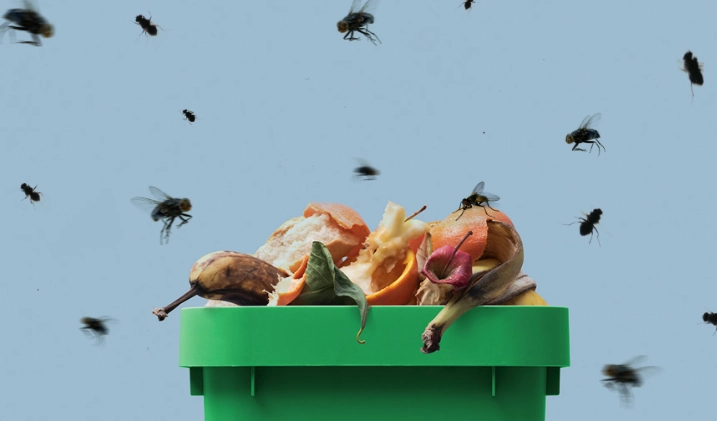
I remember dealing with a sudden outbreak a few summers ago. I'd been diligent about taking the trash out, or so I thought. The culprit turned out to be a forgotten potato that had rolled to the back of a lower cabinet and begun its slow, liquefying journey to the afterlife. The smell wasn't even strong, but it was a beacon for every waste fly in the neighborhood. That experience taught me that controlling these pests isn't just about reaction; it's about a shift in perspective.
This guide is that shift. We're going deep on waste fly control, moving beyond the basic "make a vinegar trap" advice (though we'll cover that too) and into the realm of true, lasting prevention. We'll identify the enemy, understand its life cycle, and systematically eliminate its reasons for choosing your home.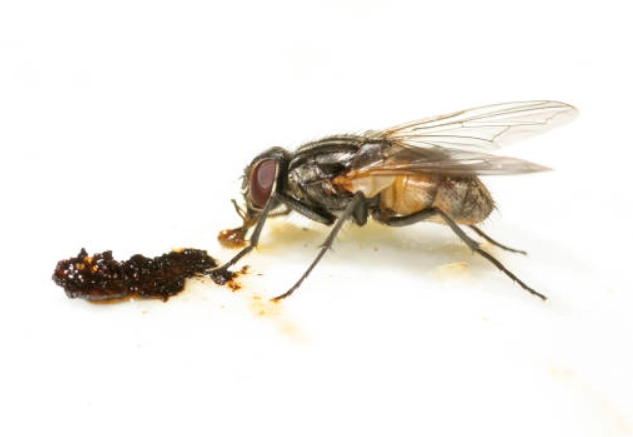
What Exactly Are "Waste Flies"? It's Probably Not Just One Thing
First, a clarification. "Waste fly" isn't a strict scientific term. It's a catch-all we use for the small, gnat-like flies that thrive in the moist, decaying organic matter we consider waste. This includes food scraps, overripe produce, and the gunk in drains. When someone says they have a waste fly problem, they're usually talking about one of three main culprits. Misidentifying them means you might be using the wrong tactic.
| Fly Type | Scientific Name | Key Identifying Features | Favorite Breeding Ground | Flight Pattern |
|---|---|---|---|---|
| Fruit Fly | Drosophila melanogaster | Tiny (3mm), tan/brown body, bright red eyes. The celebrity of the waste fly world. | Fermenting fruits & vegetables, spilled alcohol, sugary residues. | Erratic, slow, tends to hover near food sources. |
| Drain Fly (Moth Fly) | Psychodidae family | Small (4-5mm), fuzzy/moth-like wings, dark gray or black body. Wings form a roof-like tent when at rest. | The gelatinous biofilm ("slime") inside sink, shower, and floor drains. | Short, hopping flights. Often seen crawling on walls near drains. |
| Phorid Fly (Humpbacked Fly) | Phoridae family | Small (3-4mm), distinctive humpbacked profile, dark brown/black. Runs in a zigzag pattern before flying. | Decaying organic matter in trash, overwatered plant soil, dead rodents in walls (unpleasant but true). | Weak, erratic flyer. Often found near floor level. |
See the difference? Spraying a fruit fly trap solution down your drain to target drain flies is like using a fishing net to catch mosquitoes. It might snag a few, but it ignores the core problem. A waste fly infestation is often a mix, but one species usually dominates based on the specific conditions in your home.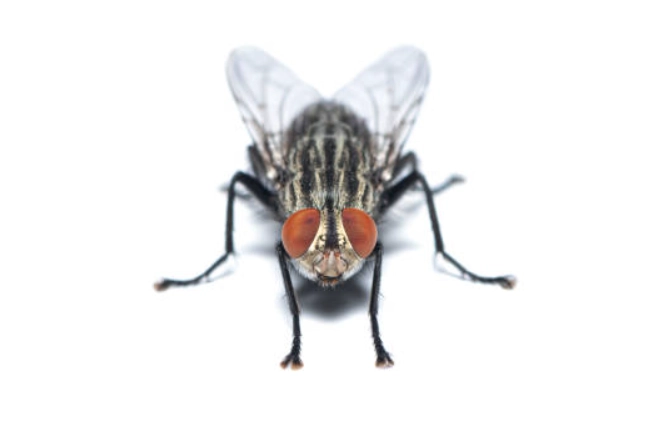
The Waste Fly Life Cycle: Why They Multiply So Fast
Understanding this is the key to breaking the cycle. It's shockingly fast, which is why a small problem becomes a major nuisance almost overnight.
From Egg to Buzz in Under Two Weeks
Egg Stage: A single female can lay up to 500 eggs. She deposits them directly onto the moist, fermenting food source or organic sludge. The eggs are tiny, often invisible to the naked eye.
Larval Stage: This is the "maggot" stage. The eggs hatch into larvae within 24-48 hours. These little worms are the eating machines. They burrow into the food source, feeding on the bacteria and yeast breaking it down. This stage lasts 4-7 days, depending on temperature and food availability.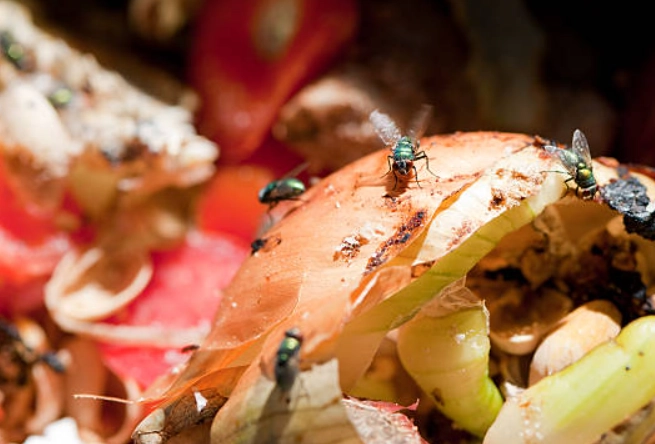
Pupal Stage: The mature larvae crawl to a drier area (like the side of a trash can, the soil surface of a potted plant, or the upper part of a drain pipe) to form a pupa. They transform inside this casing for 3-6 days.
Adult Stage: The adult waste fly emerges, ready to mate and start the cycle again within a couple of days. The entire process, from egg to breeding adult, can be as short as 8-10 days in warm conditions.
That speed is their superpower.
This rapid life cycle means that simply killing the adults you see is a losing game. For every one you swat, dozens of larvae are maturing out of sight, and hundreds of eggs are already laid. Effective waste fly control must target the breeding sites—the eggs and larvae—to actually stop the population.
The Four-Pillar Strategy for Elimination and Prevention
This is the core of the guide. Forget single solutions. We're building a system. Professionals call this Integrated Pest Management (IPM), and it's the gold standard because it works long-term. The U.S. Environmental Protection Agency (EPA) has a great resource on the principles of IPM for homeowners, which aligns perfectly with what we're doing here. You can check out their overview on Integrated Pest Management principles to see the science behind this approach.
Pillar 1: Inspection & Identification (The Detective Work)
Don't just start cleaning randomly. Play detective. Grab a flashlight and look for the source.
- Kitchen: Check under the sink for leaks. Pull out appliances (fridge, stove) – food debris gets pushed back there. Inspect the drip tray under the fridge. Look inside potato and onion bags. Check recycling bins for residue in cans/bottles.
- Bathrooms: Remove drain covers and shine a light down. Is there visible gunk or hair? Check the overflow hole in sinks and bathtubs. Look under toilet rims.
- Trash & Compost: Even if the bin is empty, is the liner clean? Is there sticky residue at the bottom? For indoor compost bins, is the lid sealed perfectly? Is the material too wet?
- Other Areas: Overwatered houseplants are a prime phorid fly habitat. Check pet food/water bowls. Look for any standing water in trays or saucers.
Pillar 2: Sanitation & Exclusion (Starve Them Out)
This is the most critical step. You are removing the "why." No food, no home, no waste flies.
- Manage Food Waste: Store fruit and vegetables in the fridge, especially in warm weather. Take the trash out every single day during an active infestation. Use a compost bin with a tight-fitting lid and consider keeping it outside if possible.
- Clean Surfaces: Wipe down counters, stovetops, and tables nightly. Don't forget the sides of appliances and the backsplash. A drop of juice is a feast.
- Deep Clean Drains: For suspected drain flies, mechanical cleaning is best. Use a long, stiff brush to scrub the inside of the drain pipe. Follow up by pouring a mixture of baking soda and vinegar down the drain, letting it fizz for 15 minutes, then flushing with boiling water. Caution: Do not use boiling water on PVC pipes, as it can damage them. Use very hot tap water instead.
- Dry Out Moisture Sources: Fix leaky faucets. Don't overwater plants. Empty pet water bowls at night and refill in the morning.
Pillar 3: Physical & Mechanical Control (Trap the Adults)
Now we deal with the current generation of flying adults. This reduces the nuisance and stops them from laying more eggs.
- Homemade Vinegar Trap: The classic. Take a small jar, add an inch of apple cider vinegar (or red wine) and a drop of dish soap. Cover with plastic wrap and poke small holes. The scent attracts them, the soap breaks the surface tension so they drown. It works, but it's ugly.
- Improved Bottle Trap: Cut the top third off a plastic bottle. Invert it and place it into the bottom part (like a funnel). Tape the edges. Put bait (vinegar, overripe fruit) in the bottom. Flies go in but can't find their way out. More effective than the wrap method.
- Sticky Traps: Those yellow sticky ribbons or cards. They're great for monitoring and catching flies, especially near houseplants or windows. Not beautiful, but functional.
- The Vacuum Cleaner: Seriously. Use the hose attachment to suck up clusters of adult waste flies. It's immediate, chemical-free, and satisfying.

Common Questions About Waste Flies (The Stuff You're Actually Searching For)
Do waste flies bite or spread disease?
The common household waste flies (fruit, drain, phorid) do not bite humans. However, they are hygiene pests. They develop in and walk on decaying matter, then walk on your counters, dishes, or food. This can mechanically transfer bacteria like E. coli or Salmonella. It's a contamination risk, not a direct disease vector like a mosquito. Still, you don't want them around.
I've cleaned everything and still have flies! Where are they hiding?
This is the most frustrating part. If you're sure your kitchen is spotless, expand the search. Check these often-missed spots:
- The soil of overwatered houseplants (let the top inch dry out completely).
- A garbage disposal that hasn't been cleaned. Run ice cubes and citrus peels through it.
- A floor drain in the basement, laundry room, or garage. Pour water down it occasionally to fill the trap and prevent it from drying out.
- A forgotten mop bucket or wet cleaning rags.
- Even a spill under the dishwasher that seeped into the subfloor.
Are commercial fly traps or zappers worth it?
UV light traps ("zappers") are generally ineffective for these small flies. They're attracted to fermentation, not light. Commercial traps that use specific attractant lures (like those for fruit flies) can be very effective as part of your overall plan. Just don't rely on them alone. They're a tool, not a strategy.
Can a waste fly problem come from my neighbor's apartment?
Unfortunately, yes, especially in multi-unit buildings. Flies can come through vents, gaps around pipes, or under doors. If your sanitation is impeccable and you're still seeing a constant influx, it's worth having a polite conversation with management. The source might be a shared trash chute, a neighbor's unclean habits, or a building-wide plumbing issue.
Putting It All Together: Your Action Plan
Let's stop being theoretical. Here’s what you do, starting today.
Week 1: The Blitz
- Day 1: Conduct a thorough inspection. Find the source(s). Set multiple homemade traps in hot spots.
- Day 2-3: Execute deep sanitation. Clean all potential breeding sites. Throw out any suspect food. Scrub drains.
- Day 4-7: Maintain militant cleanliness. Take trash out daily. Keep all food sealed or refrigerated. Monitor traps.
Week 2 & Beyond: The Siege
- You should see a dramatic drop in adult flies. If not, re-inspect. You missed a spot.
- Continue preventive sanitation as a new habit.
- Keep one or two traps out for monitoring for another month. If they catch the occasional fly, it's likely a new scout from outside. No big deal. If they start filling up again, you know you have a new breach to find.
The truth about waste fly management is that it's more about diligence than any magic product. These pests are a symptom of the environment. By changing the environment—making it clean, dry, and inhospitable—you don't just solve the current waste fly problem, you prevent the next one. It requires a bit of upfront work, but the peace of mind of a pest-free kitchen is absolutely worth it.
Good luck. You've got this.
LEAVE A REPLY
Your email address will not be published. Required fields are marked *