Guide at a Glance
Let's be honest. That faint scratching in the wall at 2 AM, the mysterious black rice-like droppings behind the fridge, or the sudden hole in a cereal box – it sends a shiver down your spine. You're not just dealing with a tiny animal; you're facing the classic mouse rodent problem that has plagued homeowners for centuries. I've been there. I once found a nest made of shredded insulation and my good tea towels in a kitchen drawer. It was equal parts fascinating and utterly disgusting.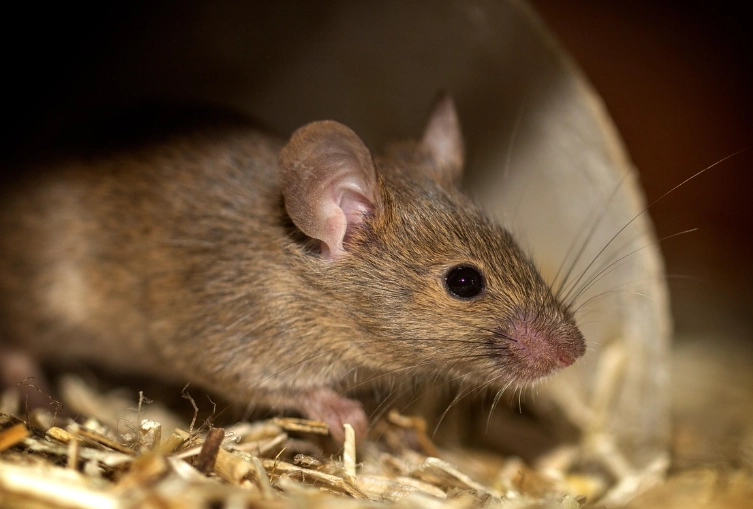
This guide isn't a dry, scientific manual. It's the conversation I wish I'd had with someone when I first discovered my uninvited tenants. We'll walk through this step-by-step, from the moment you suspect a problem to the long-term strategies that ensure they don't come back. Forget the fear-mongering and the quick-fix myths. We're going for understanding first, then action.
The Core Issue: A mouse rodent infestation is more than a nuisance; it's a multi-faceted problem involving property damage, food contamination, and potential health risks. The key to solving it is a layered strategy, not a single magic bullet.
What Exactly Are You Dealing With? Mouse Rodent 101
Before you declare war, know your enemy. The term "mouse rodent" typically refers to members of the Muridae family, with the House Mouse (Mus musculus) being the superstar of home invasions. But it's not the only player.
Why are they so successful? Their biology is a masterclass in survival. A mouse can squeeze through a hole the size of a dime (about 1/4 inch). Their incisor teeth never stop growing, which is why they gnaw constantly—on wires, wood, plastic, you name it. And their reproduction rate? Staggering. A single female can produce 5-10 litters per year, with 5-6 pups per litter. Do the math, and you see how a couple of mice can become a colony in a single season.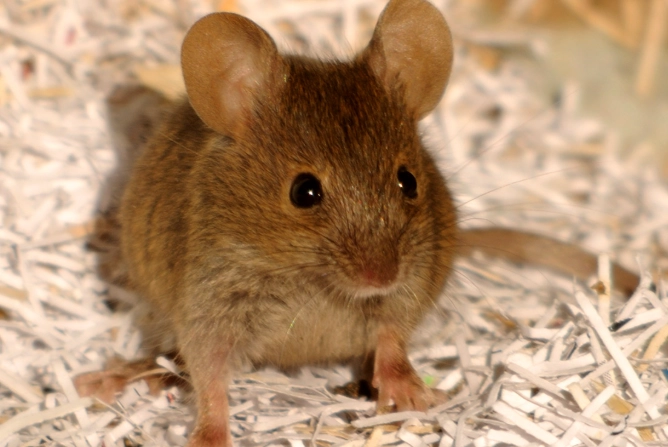
Meet the Common Culprits: A Quick Comparison
Not every small, scurrying creature is a standard house mouse. Here’s a breakdown to help you identify what you might be seeing.
| Rodent Type | Key Identifying Features | Preferred Habitat | Common Signs |
|---|---|---|---|
| House Mouse | Small (2-4 inches body + long tail), pointed snout, large ears, light brown/gray fur. Droppings are small, pointed, like grains of rice. | Indoors, specifically wall voids, attics, behind appliances, in stored items. They prefer to nest close to food sources. | Gnaw marks on soft materials, grease marks along walls (from their fur), scattered droppings, ammonia-like smell from urine. |
| Deer Mouse | Bi-colored (brown back, white belly/feet/tail), larger eyes and ears than house mouse. A primary carrier of Hantavirus. | More common in rural/semi-rural areas, sheds, garages, woodpiles. May venture indoors in cold weather. | Similar to house mice but more likely to be found in less-frequented areas of a home like crawlspaces or seasonal cabins. |
| Field Mouse (Vole) | Stouter body, shorter tail, blunter snout. Often confused for mice but are more outdoor-ground dwellers. | Gardens, fields, under ground cover. Rarely the primary indoor pest unless there's severe weather or lack of food outside. | Runways in grass, gnawing at the base of trees/plants, burrow holes in lawns. Not typically an indoor problem. |
See the difference? The house mouse is your dedicated homebody. If you're finding evidence in the kitchen or pantry, it's almost certainly them. The Centers for Disease Control and Prevention (CDC) has extensive resources on the diseases rodents can carry, which really puts the health risk into perspective. It's not just about chewed wires; it's about safety. You can read about those risks on the CDC's rodent page.
My Misidentification Story: I once spent weeks setting traps in my garage, convinced I had a standard mouse rodent problem. The traps stayed empty, but the gnawing on my camping gear continued. Turns out, it was a pack rat (woodrat) attracted to shiny objects. Different behavior, different bait (peanut butter failed, but a wadded-up piece of aluminum foil worked as a lure next to the trap). The lesson? Identification saves time and frustration.
The Unmistakable Signs: Are Mice Living With You?
Mice are secretive, but they're terrible roommates. They leave a mess. Here’s what to look for, beyond the obvious sighting.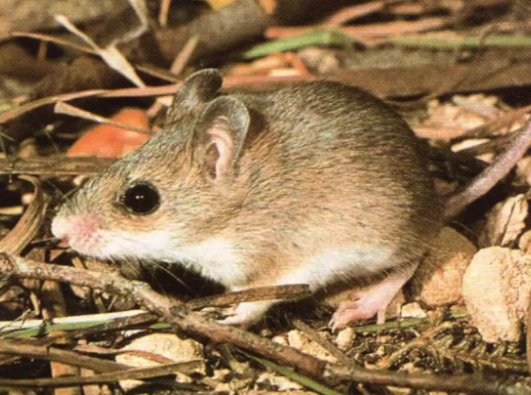
Droppings: This is the #1 sign. Fresh ones are dark, moist, and soft. Old ones become gray, crumbly, and dry. You'll find them along runways—along walls, behind objects, in drawers, and cabinets. Where you find them tells a story about their travel routes.
Gnaw Marks: New gnaw marks are rough, light-colored. Old ones are darker and smoother. Check baseboards, food packaging, furniture edges, and even electrical wiring (a major fire hazard).
Grease Marks: Mice have oily fur. As they repeatedly travel the same path along a wall, they leave dark, greasy smudges. Run your finger along a suspected pathway—if it comes away with a grimy feel, that's a mouse highway.
Nests: Shredded paper, insulation, fabric, dried plant matter—mice will use anything soft. Look in hidden, dark, quiet places: the back of drawers, inside unused boxes in the attic, behind the oven or fridge.
Sounds: Scratching, scurrying, squeaking in walls, ceilings, or under floors, especially at night when they're most active.
Odor: A persistent, musky, ammonia-like smell, strongest in enclosed spaces like under sinks or in closets. It's from their urine.
Health Warning: Never sweep or vacuum dry mouse droppings or nest material. This can aerosolize viruses like Hantavirus. The CDC recommends wearing gloves and a mask, wetting the area with a disinfectant solution, letting it soak, and then cleaning it up. Safety first.
If you're ticking off more than one or two of these signs, you've moved past "maybe" and into "definitely." Time for a plan.
Phase One: Fortify Your Home (Prevention is Cheaper Than Cure)
Killing or catching mice is a reactive measure. The real victory is making your home so unattractive and inaccessible that they look elsewhere. This is called exclusion, and it's the most professional, long-term solution. I learned this the hard way after my third round of trapping.
Think like a mouse. You're looking for food, water, and shelter. Your job is to remove all three.
The Ultimate Exclusion Checklist
- Seal Every Entry Point: This is non-negotiable. Grab a flashlight and inspect your home's exterior foundation, siding, vents, and roofline. Look for gaps, cracks, and holes. Remember the dime-sized rule. Use materials they can't gnaw through:
- Steel Wool: Great for stuffing into holes temporarily or before sealing.
- Copper Mesh (Stuf-Fit): Even better than steel wool; doesn't rust and is very gnaw-resistant.
- Hardware Cloth: For covering larger vents or openings.
- Caulk/Silicone Sealant: For tiny cracks.
- Metal Flashing/Sheet Metal: For sealing gaps around pipes or at structural joints.
Pay special attention to where utility lines (pipes, cables) enter the house, gaps under garage doors, and roof vents. The University of California's Statewide Integrated Pest Management Program has a fantastically detailed guide on rodent-proofing buildings that's worth a look for complex entry points.
- Eliminate Food Sources:
- Store all dry goods (pasta, cereal, pet food, birdseed) in thick plastic, glass, or metal containers with tight lids. A bag of chips or a cardboard box of crackers is an open invitation.
- Never leave pet food out overnight. Pick up bowls after feeding.
- Keep countertops immaculate. Crumbs are a feast.
- Use trash cans with snug-fitting lids, both inside and out.
- Manage your compost bin carefully—keep it sealed and away from the house.
- Remove Shelter and Clutter:
- Clear away piles of debris, lumber, or dense vegetation within 3 feet of your home's foundation.
- Store firewood off the ground and as far from the house as practical.
- Keep grass trimmed and avoid heavy ground cover right next to the structure.
- Inside, reduce clutter in storage areas like basements, attics, and garages. They love undisturbed piles of boxes.
Pro Tip: Do your inspection twice—once during the day and once at night with the lights off inside. Shine your light from the inside out; you'll often see tiny pinpricks of light revealing holes you never noticed. It's a game-changer.
Phase Two: Population Control (The Tactical Response)
Okay, so you've sealed up and cleaned up, but you still have current residents. Now you need to remove them. Here's a brutally honest look at the options.
Trapping: The Gold Standard for Indoor Control
Poison (rodenticides) has major downsides: mice can die in walls causing awful smells, and they pose risks to pets, kids, and wildlife that might eat the poisoned mouse. Trapping is targeted and immediate. Here's a breakdown of common traps.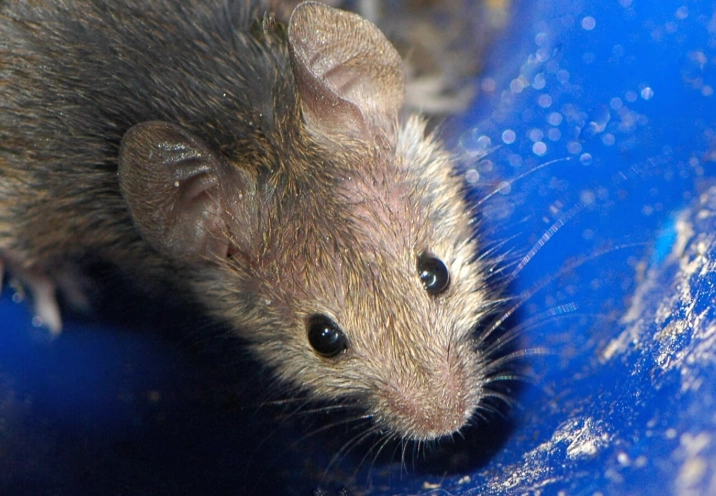
| Trap Type | How It Works | Pros | Cons & My Take |
|---|---|---|---|
| Snap Traps (Classic Wooden or Plastic) | Spring-loaded bar snaps down when trigger is touched. | Inexpensive, effective, immediate kill, reusable. You know when you've caught one. | Can be messy. Needs to be placed correctly (perpendicular to wall, trigger facing wall). Some find them inhumane, but it's usually very quick. |
| Electric Traps | Mouse enters chamber, completes a circuit, delivers a fatal shock. | Very effective, contained, clean, humane (instant), some have indicators. | More expensive, requires batteries. Can be finicky with placement. |
| Live Catch Traps | Mouse enters but can't exit; captured alive. | Non-lethal, reusable. | You must check frequently (mice can die of stress). Then you have to release it FAR away (at least 2 miles, as they can find their way back). Releasing a mouse rodent into a new area can be unethical and may just become someone else's problem. |
| Glue Traps | Mouse gets stuck on a strong adhesive surface. | Cheap, can catch multiple mice. | Extremely inhumane. Mice die slowly of stress, dehydration, or exhaustion. They can drag the trap, leaving glue residue everywhere. I strongly advise against them. They also catch non-target animals like lizards or birds. |
Baiting Tips That Actually Work: Forget cheese. Mice love high-protein, high-fat, and sweet smells. The champion bait is peanut butter. But mix it up! Try a tiny bit of chocolate, a nutmeat, or even a crumble of beef jerky tied to the trigger. Secure the bait so they have to work to get it, ensuring they trigger the trap.
Placement is Everything: Mice don't roam in the middle of the room. Place traps along walls, behind appliances, in dark corners, with the trigger end closest to the wall. Set them in pairs, perpendicular to the wall. If you see droppings, that's trap headquarters.
Set more traps than you think you need. A lot more.
When to Call a Professional Exterminator
There's no shame in this. I called one after my DIY efforts failed to stop the nightly ceiling concert. Here are the signs it's time:
- The infestation is large or widespread. You're seeing signs in multiple, separate areas of the house.
- You can't find or seal the entry points. Some homes, especially older ones, have complex structures.
- You've tried and failed. The traps are empty, but the signs persist.
- You're dealing with health/safety concerns (e.g., droppings in HVAC systems, extensive wiring damage).
- You simply don't have the time, desire, or comfort level to handle it. A good pro will do a thorough inspection, implement a multi-pronged strategy (often a combination of exclusion, trapping, and possibly monitored bait stations), and offer a guarantee.
A professional brings expertise and can often solve the problem faster and more completely. Ask for an inspection and quote; many companies offer them for free.
Cleaning Up After the Battle
Once the activity has stopped (no new droppings, no sounds for a week), it's cleanup time. This is crucial for removing the scent trails that can attract new mice.
- Ventilate the area. Open windows and doors.
- Protect yourself. Wear rubber or latex gloves, an N95 mask or respirator, and even safety goggles for heavy contamination.
- Spray and soak. Don't dry sweep! Use a commercial disinfectant or a bleach solution (1 part bleach to 10 parts water) to thoroughly wet the droppings, urine, and nest material. Let it soak for at least 5 minutes.
- Wipe and pick up. Use paper towels to wipe up the waste. Place all waste and used towels in a sealed plastic bag.
- Disinfect surfaces. Mop hard floors, steam clean carpets if necessary, and wipe down all contaminated surfaces with your disinfectant.
- Deodorize. Enzymatic cleaners are great for breaking down urine proteins and eliminating lingering smells that might attract new rodents.
- Wash your hands thoroughly after removing gloves.
Your Mouse Rodent Questions, Answered
- Using too few traps. Think in terms of a dozen, not two.
- Poor trap placement. Putting them in the open where mice won't go.
- Using poison indoors without a plan for dead mice in walls. The smell is unforgettable (in a bad way) and can last weeks.
- Sealing the main entry point LAST. Always trap and reduce the population before you seal the last major hole, or you'll trap mice inside with no way out.
- Not being persistent. This is a campaign, not a single battle. Check traps daily, refresh bait, keep up the sanitation.
Final Thought: Beating a mouse rodent problem is incredibly satisfying. It's a mix of detective work, handyman skills, and persistence. The peace of mind that comes from knowing your home is sealed and secure is worth every bit of effort. Start with the inspection, be relentless with the exclusion, and don't hesitate to escalate your tactics if needed. You've got this.
LEAVE A REPLY
Your email address will not be published. Required fields are marked *