You're reaching for the flour and see a tiny, dark beetle scurrying away. Or maybe you've noticed a trail of tiny ants marching toward the dog's food bowl. That sudden feeling of disgust and invasion is universal. Kitchen bugs are more than a nuisance; they're a sign that your home's most important room has been compromised. But before you reach for the bug spray, stop. The wrong response can scatter the problem, making it worse. I've been helping people reclaim their kitchens from pests for years, and the single biggest mistake I see is treating the symptom (the visible bugs) instead of the root cause. This guide will walk you through exactly how to identify, understand, and permanently solve your kitchen bug problem.
What You'll Find in This Guide
How to Identify Common Kitchen Bugs
Knowing your enemy is half the battle. Different bugs require different tactics. Here’s a breakdown of the usual suspects.
The Pantry Raiders
These bugs live in your dry goods. You often bring them home from the store inside infested packaging.
| Bug | What to Look For | Favorite Foods | Key Sign |
|---|---|---|---|
| Indian Meal Moths | Small, grayish-brown moths (about 3/8 inch long) with copper-colored wing tips. Larvae are off-white caterpillars. | Flour, cereal, nuts, dried fruit, pet food, chocolate. | Silky webbing inside food packages or clinging to the inside of cupboard doors. |
| Flour & Drugstore Beetles | Tiny (1/8 inch), reddish-brown beetles that look like specks. They can fly. | Flour, spices, pasta, dried herbs, prescription pills. | Fine, powder-like frass (bug waste) at the bottom of containers. |
| Grain Weevils | Dark brown beetles (about 1/8 inch) with a distinctive long snout. | Whole grains like rice, wheat, oats, barley. | Tiny, perfectly round holes in individual grains of rice or wheat. |
The Moisture Seekers
These bugs are attracted to dampness, leaks, and decaying organic matter.
Cockroaches (German and American): The nightmare scenario. German roaches are small, light brown with two dark stripes behind the head. American roaches are large, reddish-brown, and can fly. They love grease, food crumbs, and damp cardboard. Seeing one in the daytime often means a large, hidden population.
Drain Flies: Tiny, fuzzy, moth-like flies that seem to appear from nowhere. They breed in the gelatinous gunk that builds up inside sink and floor drains. If you see them hovering around a drain, that's their nursery.
Ants (Odorous House Ants, Pavement Ants): The classic trail of tiny black or brown ants. They're after sugar, grease, and protein. A common but often missed detail: odorous house ants smell like rotten coconut when crushed.
The Opportunistic Flyers
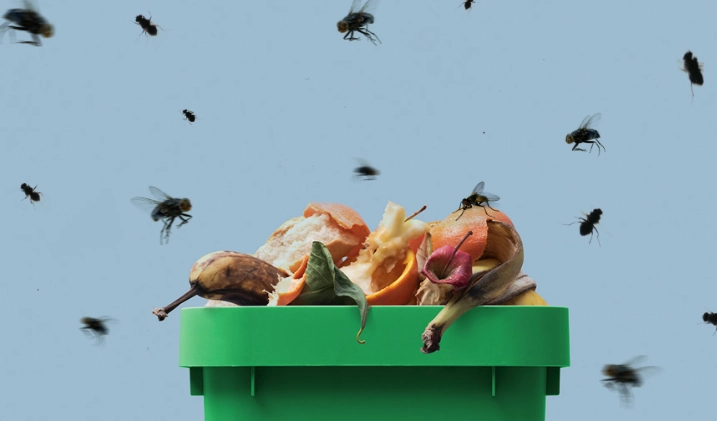
Fruit Flies: Tiny, tan flies with red eyes, obsessed with overripe fruit, beer, and dirty recycling bins. Their life cycle is incredibly fast—eggs to adults in about a week.
Phorid Flies: Often confused with fruit flies, but they have a humpbacked appearance and run in a zig-zag pattern before flying. They breed in gross, decaying organic matter—think a potato that rolled under the fridge and liquefied.
Why Are Bugs in My Kitchen?
It's not about cleanliness in a broad, moral sense. It's about resources. Your kitchen is a five-star resort offering the three things all life needs: Food, Water, and Shelter. Bugs are simply checking in.
Let's get specific. That trail of ants isn't random exploration. A scout ant found a crumb by your toaster, laid down a chemical pheromone trail back to the nest, and now the workforce is following it with military precision. Your kitchen bugs are the end result of a successful search mission.
Pantry moths and beetles usually come from the store. That bag of organic flour or that bulk-bin grain is the most common vector. They can also drift in from a neighbor's infested apartment through wall voids. Once inside, a single overlooked box of cereal can repopulate your entire pantry in a few generations.
I once consulted on a severe fruit fly case. The homeowner was meticulous. We finally found the source: a forgotten, leaky reusable grocery bag in the trunk of her car, holding a single decaying peach. It had become a flying incubator. Every time she brought the bags in, she was restocking the infestation. The lesson? The source isn't always where you see the bugs.
Step-by-Step Guide to Eliminating Kitchen Bugs
Throwing away the visible bugs and spraying some cleaner isn't a solution. It's a temporary pause. You need a systematic purge. Here's the exact sequence I recommend to clients.
Phase 1: The Kitchen-Wide Deep Clean & Inspection
This is non-negotiable. You're conducting a search-and-destroy mission.
Empty Every Cabinet and Drawer. I mean every single one. Take all food, utensils, and items out. Place them on a table or counter covered with a clean sheet.
Inspect Every Food Package. Look for the signs in the table above: tiny holes, webbing, larvae, beetles, or a fine powder. Don't just look at sealed boxes. Check spices in jars, bags of pet food, bird seed, and decorative items like dried corn for Thanksgiving.
Dispose of Infested Food Correctly. Do not just throw it in your kitchen trash. Seal it in a heavy-duty plastic bag and take it immediately to an outdoor bin. This prevents bugs from crawling out and re-infesting.
Vacuum, Don't Just Wipe. Use the hose attachment to vacuum every crack, corner, and crevice of your empty cabinets and drawers. This sucks up eggs, larvae, and pupae that wiping misses. Empty the vacuum canister or bag into an outdoor trash immediately.
Clean with Soap and Water. After vacuuming, wash all interior surfaces with soapy water. Avoid strong-smelling cleaners like bleach or ammonia for now, as they can interfere with monitoring traps you might use later.
Phase 2: Targeted Treatment Based on the Bug
Now you apply the specific remedy.
For Pantry Moths & Beetles: After the clean-out, your main defense is prevention (see next section). However, pantry moth traps are excellent monitoring tools. These are pheromone traps that attract and catch the adult male moths, breaking the breeding cycle. Place one in your pantry after cleaning. If you catch moths, you know you missed an infested item.
For Ants: Resist the urge to spray the trail. You'll kill the workers, but the nest survives. Use ant bait gels or stations. The workers take the poison (which is slow-acting) back to the nest and share it, eventually killing the queen and colony. Place baits along the trail you observed, but not directly on it—place them near the trail's origin point. A great spot is where the floor meets the wall.
For Fruit Flies & Drain Flies: The famous apple cider vinegar trap works (jar, plastic wrap, poke holes). But for drain flies, you must clean the drain. Pour a pot of boiling water down, then follow with a pipe brush or a bacterial drain cleaner (like those containing Bacillus bacteria) that eats the organic film. Repeat for a week.
For Cockroaches: This often requires professional-grade baits and insect growth regulators (IGRs). If you have a significant problem, consulting a pro is a smart investment. DIY sprays usually just drive them deeper into hiding.
How to Prevent Bugs from Coming Back
This is where you win the long game. Prevention is about making your kitchen a fortress with no welcome mat.
Store All Dry Goods in Airtight Containers. This is the #1 most effective step for pantry pests. The moment you bring flour, sugar, pasta, cereal, or pet food home, transfer it to glass, thick plastic, or metal containers with tight-sealing lids. I'm a fan of clear containers so you can see the contents. This traps any bugs you might have accidentally brought in and prevents new ones from getting to the food.
Implement a "First In, First Out" System. Don't let old cans or packages languish in the back of the cupboard. New groceries go behind the old ones. Regularly check expiration dates and use things up.
Eliminate Moisture. Fix leaky faucets immediately. Don't let water stand in sinks or drip trays. Use a dehumidifier if your kitchen is naturally damp. Ensure your dishwasher door seal is clean and intact.
Seal Entry Points. Use caulk to seal tiny cracks and gaps around pipes, baseboards, and window frames. Install door sweeps on exterior doors. This is crucial for ants and cockroaches.
Manage Trash and Recycling. Use a trash can with a tight-fitting lid. Rinse out bottles, cans, and food containers before putting them in the recycling bin. Take the kitchen trash out daily, especially in warm weather.
Inspect Groceries Before Storing. Give packaging a quick look for holes or damage before you put it away. This is especially important for bulk items and organic products, which have fewer processing steps that might kill pests.
I recommend clients do a mini-version of the deep clean inspection every 2-3 months. Just a quick check of the pantry shelves and under the sink. It takes 10 minutes and catches problems when they're small.
Your Kitchen Bug Questions Answered
I see one or two bugs occasionally. Is that a sign of a big infestation?
Where is the absolute best place to put ant bait for kitchen ants?
I threw out all my flour and grains. How do I make sure my new stuff doesn't get infected again?
Are pantry moths or beetles harmful if accidentally consumed?
When should I definitely call a professional pest control service?
Comments