You wake up covered in itchy, red welts. Your first thought? Spiders? Mosquitoes? But you were inside all night. The culprit is likely hiding much closer, right in your bed. Figuring out which pest is feasting on you is half the battle. Misidentifying the bug leads to wasted money, ineffective treatments, and a lot of unnecessary stress.
I’ve dealt with this professionally for years. The most common offenders are bed bugs, fleas, and dust mites. Each has a distinct MO, and treating them requires a completely different playbook. Getting it wrong means the problem just comes back.
What’s Inside: Your Quick Guide
How to Tell Bed Bugs, Fleas, and Mites Apart
This is where most people fail. They see a bite and panic, buying the wrong sprays. Let’s break down the evidence.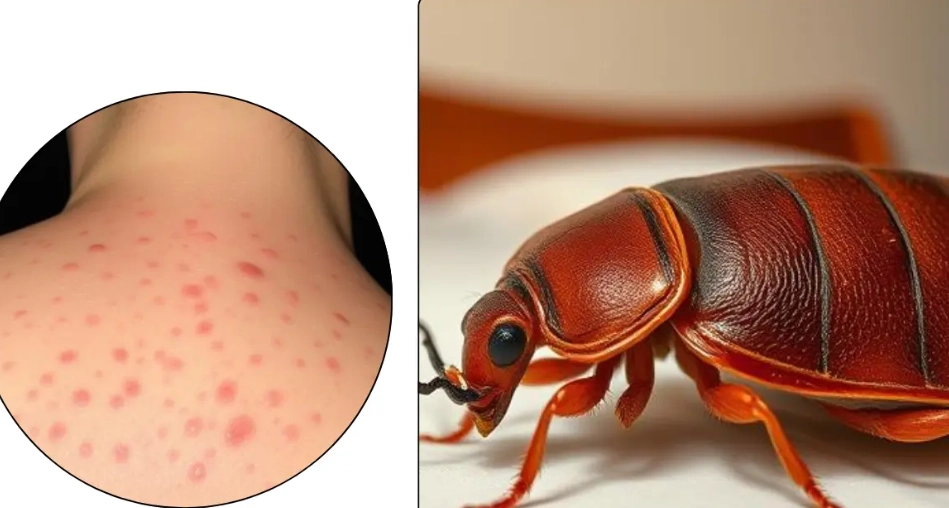
Clue #1: The Bite Pattern and Your Body’s Reaction
Look at the bites themselves. Bed bug bites often appear in a rough line or cluster, like a breakfast, lunch, and dinner trail. They’re intensely itchy, can become raised welts, and usually appear on areas exposed while sleeping: arms, shoulders, neck, face.
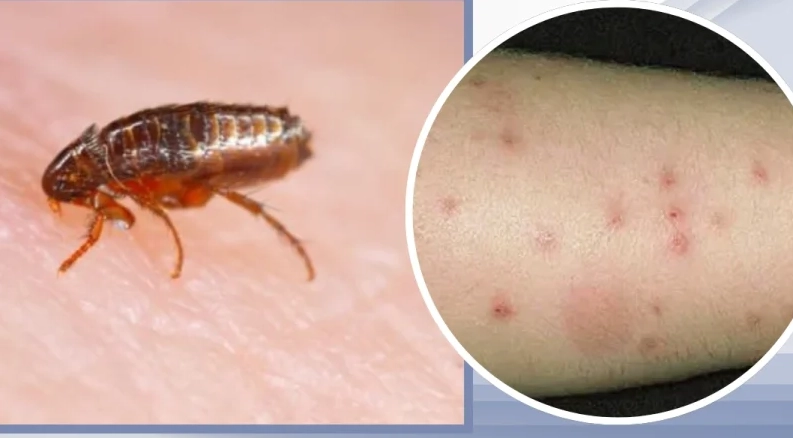
Flea bites are different. They’re typically found around the ankles and lower legs, tiny red bumps with a central red spot. They itch like crazy immediately. If you have pets that scratch a lot, think fleas.
Here’s the twist most websites miss.
Dust mites don’t actually bite. They feed on dead skin cells. The red, itchy rash and respiratory symptoms (sneezing, congested nose) are an allergic reaction to their droppings and body fragments. It’s often worse in the morning and can feel like a general, all-over irritation rather than distinct bites.
Clue #2: Physical Evidence on the Bed
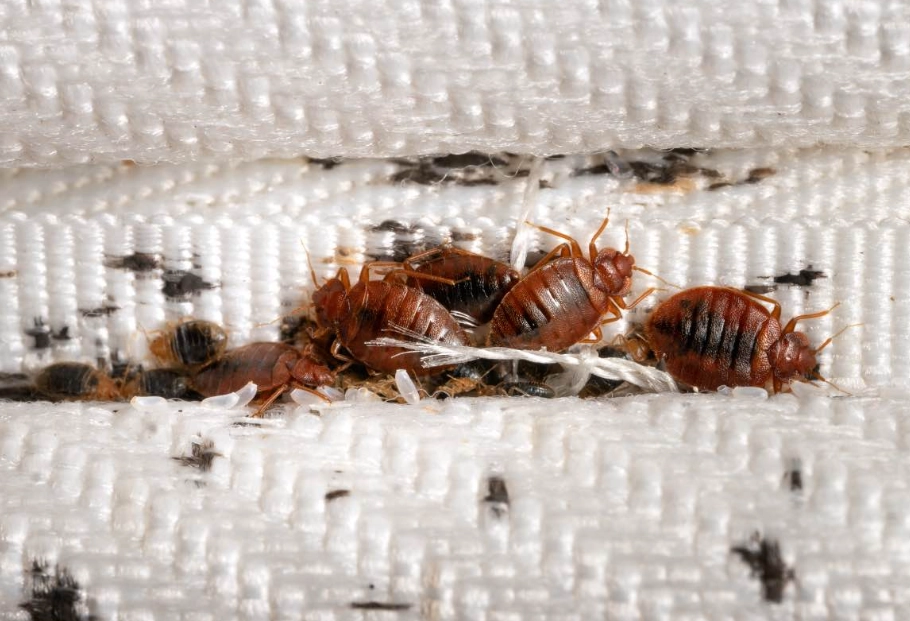
You need to play detective. Strip your bed and look closely, especially along mattress seams, tufts, and the bed frame.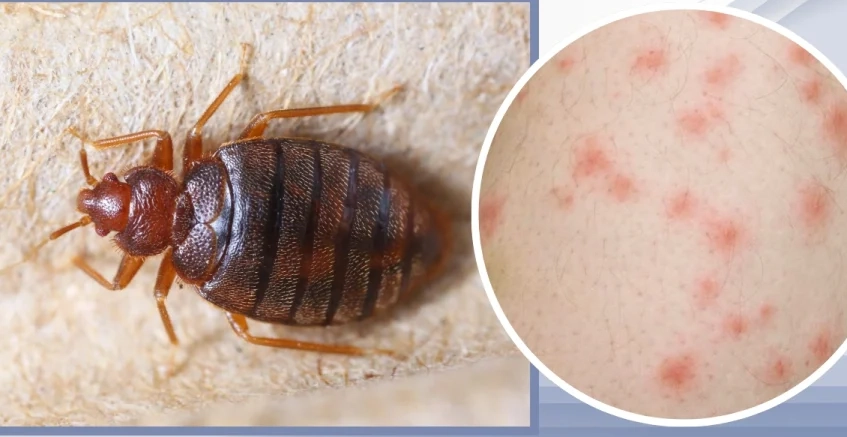
Fleas are harder to spot on the bed but check your pet’s bedding. You might see tiny, fast-moving dark specks (the fleas) or pepper-like flea dirt (digested blood) that turns red when wet.
For dust mites, you won’t see them. They’re microscopic. The evidence is your allergic reaction and, sometimes, a feeling of dustiness in old pillows or mattresses.
The Bed Bug Nightmare: Signs and Solutions
Bed bugs are the psychological heavyweight champions. They’re excellent hitchhikers and incredibly resilient.
A common mistake? Only checking the mattress. They hide everywhere: behind headboards, in electrical outlets, under loose wallpaper, in drawer joints, and even behind picture frames. A thorough inspection is non-negotiable.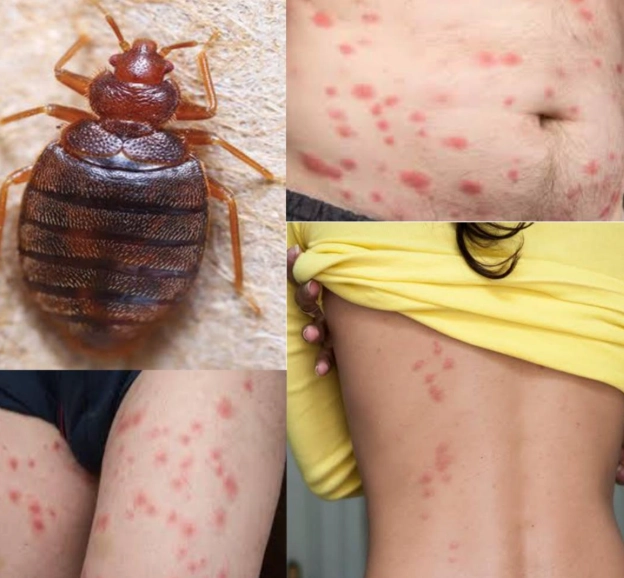
If you find them, don’t immediately throw out your furniture. That can spread them through your building. Effective treatment involves a multi-pronged attack:
- Heat is your best friend. Professional heat treatment (raising room temp to 120°F+ for hours) is highly effective. For smaller items, a dryer on high heat for 30+ minutes kills all stages.
- Steam cleaning mattresses, couches, and baseboards can kill bugs and eggs on contact.
- Encasements for your mattress and box spring trap any remaining bugs inside, where they eventually die.
- Insecticides should be left to licensed professionals. Over-the-counter sprays often just scatter the bugs, making the problem worse. The EPA has a useful guide on registered bed bug products.
Stopping a Flea Infestation in Its Tracks
Fleas reproduce at an alarming rate. The adults you see are only 5% of the problem; the other 95% are eggs, larvae, and pupae in your carpets, upholstery, and pet beds.
You must treat the pet AND the environment simultaneously. Treating just one is futile.
For pets, consult your vet for a proven monthly preventative treatment (oral or topical). For the home, thorough and frequent vacuuming is critical—it removes adults and stimulates pupae to hatch. Empty the vacuum canister into a sealed bag and dispose of it outside immediately.
Wash all pet bedding and any human bedding the pet accesses in hot water. In severe cases, an insect growth regulator (IGR) spray for the home can break the life cycle. These are available at pet stores or through pest control.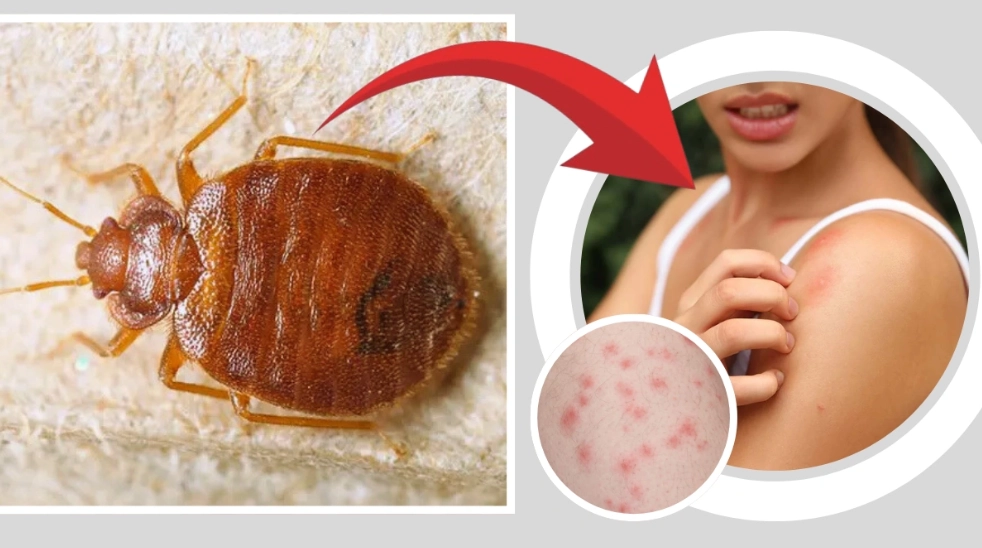
Dust Mites: The Invisible Allergy Trigger
Since they don’t bite, the war against dust mites is about creating an inhospitable environment and managing allergens.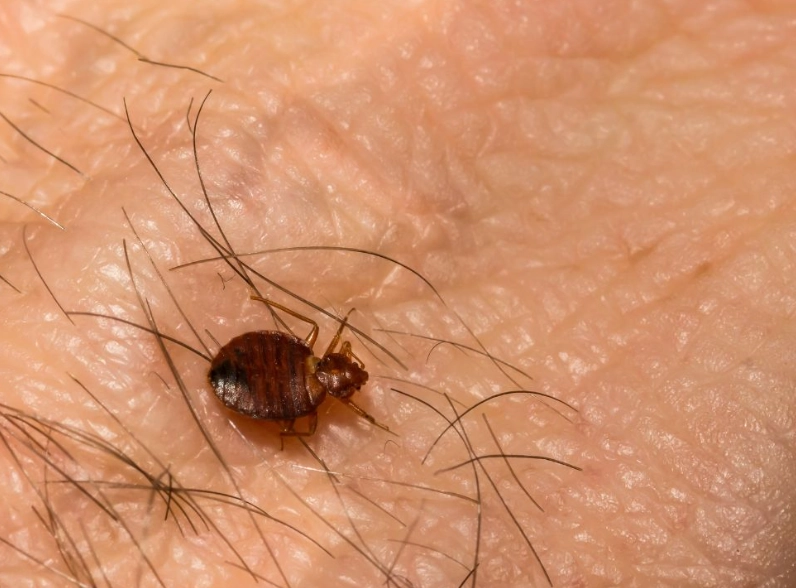
The goal is to reduce their population and your exposure to their waste. They thrive in warm, humid environments and feed on skin flakes.
- Encase everything. Allergy-proof covers for pillows, mattresses, and duvets create a physical barrier.
- Lower humidity. Use a dehumidifier to keep relative humidity below 50%.
- Wash weekly in hot water. Bedding, including sheets and blankets, needs a weekly wash at 130°F (54°C) or higher.
- Vacuum smartly. Use a vacuum with a HEPA filter to avoid blowing allergens back into the air.
- Consider removing heavy dust collectors like carpeting and fabric drapes from the bedroom if allergies are severe.
Your Action Plan: Treatment Comparison
| Pest | Primary Evidence | First & Most Critical Step | Professional Help Needed? |
|---|---|---|---|
| Bed Bugs | Rusty stains on sheets/mattress, bites in lines/clusters, live bugs in seams. | Confirm with a thorough inspection of bed and surrounding area. Isolate the bed. | Almost always recommended for effective eradication. |
| Fleas | Bites on ankles/lower legs, pet scratching, "flea dirt" on pet bedding. | Treat ALL household pets with vet-recommended product. Start intensive vacuuming. | Often manageable DIY, but severe infestations may require it. |
| Dust Mites | All-day allergy symptoms (sneezing, itchy eyes), worse in bed/morning, no visible bugs. | Encase mattress & pillows with allergen-proof covers. Lower bedroom humidity. | Rarely needed. Focus on environmental controls and allergy management. |
Answers to Your Burning Questions
I have bites but can't find any bugs. Does that mean it's not bed bugs?
Can I get rid of bed bugs by sleeping in another room?
My doctor said my bites are an allergic reaction. Could it still be fleas or bed bugs?
I washed all my bedding and the bites stopped for a week, but now they're back. Why?
Are "natural" or DIY remedies like diatomaceous earth effective against bed bugs?
Comments