You're gardening, and a long-legged, stealthy-looking bug with a curved beak scuttles across a leaf. Or maybe you find a similar insect near your porch light at night. Your first thought might be "what is that?" followed quickly by "should I be worried?" Chances are, you've met an assassin bug. Forget the dramatic name for a second—most of these insects are fascinating garden allies, not villains. But one member of this family, the kissing bug, carries a serious health risk. The confusion between the helpful predator and the dangerous relative is where most online guides fall short. Let's clear that up right now.
What You'll Discover in This Guide
What Defines an Assassin Bug?
Assassin bugs belong to the family Reduviidae. Think of them as the special forces of the insect world. They're not mindless biters; they're calculated hunters. Their entire anatomy is built for the ambush.
The headline feature is their proboscis. It's not a mouth for chewing. It's a rigid, straw-like beak they keep tucked under their head, ready to snap forward. They use it like a hypodermic needle. They stab their prey—often caterpillars, aphids, or other bugs—inject a potent cocktail of enzymes that paralyzes and liquefies the insides, and then suck out the resulting smoothie. It's brutal, but incredibly effective pest control.
I've spent hours watching wheel bugs, a common North American assassin bug, in my own garden. Their slow, deliberate movements are nothing like the frantic scrambling of a beetle. They're patient. This behavior is a key identifier. If a bug with that distinctive beak is moving with purpose, not panic, you're likely looking at a predator, not a pest.
Gardeners, take note: Most assassin bugs are your friends. A single bug can take out dozens of pest insects in a week. Spraying them is like firing your own security guard. The real problem arises when they come indoors, or when they're mistaken for their dangerous look-alike.
The Kissing Bug: The Dangerous Cousin
This is the part that matters for your safety. Within the large assassin bug family, one group, subfamily Triatominae, has evolved a terrible habit: feeding on the blood of vertebrates, including humans. These are the "kissing bugs."
The name comes from their tendency to bite people on the face, especially around the lips and eyes, while they sleep. It's not an act of affection. They're attracted to the breath and the thin skin.
The bite itself is bad enough, but the real danger is the parasite some kissing bugs carry: Trypanosoma cruzi, which causes Chagas disease. The bug defecates near the bite wound, and the parasite enters the body when the person scratches the itch and rubs the feces into the bite or their eyes or mouth.
Chagas disease is a major public health concern in parts of Latin America. In the United States, kissing bugs are found primarily in southern and western states (Texas, Arizona, California, etc.), and while the rate of disease transmission here is currently lower, the bugs and the parasite are present. The Centers for Disease Control and Prevention (CDC) monitors this closely.
Here’s the critical nuance most miss: Not every kissing bug carries the parasite, and not every bite from an infected bug leads to disease. But because you can't know, every kissing bug encounter must be treated with caution.
The Assassin Bug Bite: What Really Happens
Let's talk about the bite. Whether it's from a common garden assassin bug defending itself or a kissing bug seeking a meal, the mechanism is the same—that proboscis stabbing into skin.
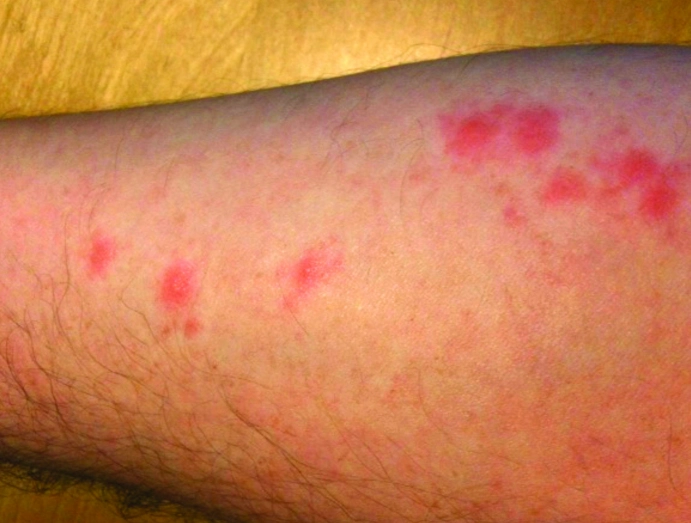
The experience is almost universally described as intensely painful, far worse than a bee sting or mosquito bite. The pain is immediate, a sharp, burning sensation. Why? Their saliva contains those powerful digestive enzymes. When injected into you, they start breaking down your tissue. It's your body's violent reaction to this foreign substance that causes the severe pain and swelling.
Immediate Steps After a Bite
If you're bitten, don't panic. Follow these steps:
- Wash the area thoroughly with soap and water to reduce infection risk.
- Apply a cold pack to manage swelling and pain.
- Take an antihistamine (like Benadryl) for itching and an over-the-counter pain reliever.
- Observe closely. Most bites from non-kissing bug assassins will result in a painful, itchy, red welt that fades over several days to a week.
Seek medical attention if: You suspect the bite is from a kissing bug (see identification below), you experience signs of a severe allergic reaction (difficulty breathing, swelling of the throat), or the bite site shows signs of a serious infection (increasing redness, pus, red streaks, fever).
Spotting the Difference: Your Identification Guide
This is the most practical skill you can gain. Mistaking a beneficial wheel bug for a kissing bug leads to unnecessary fear. Mistaking a kissing bug for a harmless beetle could be risky. Use this comparison.
| Feature | Common Garden Assassin Bug (e.g., Wheel Bug) | Kissing Bug |
|---|---|---|
| Primary Color | Often dark gray, black, or brown with muted patterns. | Dark brown or black, often with distinctive yellow, red, or orange striped edges along the abdomen. |
| Head & "Neck" | Head is narrow with a prominent, curved beak tucked underneath. The area behind the head (pronotum) may have spines or ridges (like the "wheel" on a wheel bug). | >Head is more conical and elongated. The beak looks straighter and is held forward more. The body appears flatter and broader. |
| Legs | Long, slender legs adapted for grasping prey. They move deliberately. | Legs are also long but often appear stouter. They can move quickly. |
| Behavior & Habitat | Found on plants, hunting other insects. Active day or night. Solitary. Will bite only if directly handled or pressed against skin. | Seeks out dark, sheltered spaces near animal or human hosts (woodpiles, rodent nests, dog kennels, under porches). Often attracted to lights at night. Actively seeks a blood meal. |
| Key Giveaway | The "wheel" or spiny crest on the thorax (for wheel bugs). General predatory stance on vegetation. | >The brightly colored striped pattern on the side of the abdomen is a major red flag.
One personal tip: The vibe is different. A garden assassin bug on a sunflower looks like it belongs there—a hunter in its arena. A kissing bug on your patio wall or near your pet's bed feels out of place, like a intruder. Trust that instinct.
What to Do If You Find One In or Near Your Home
Your action plan depends entirely on which bug you've found.
Scenario 1: You Find a Common Assassin Bug Indoors
It probably wandered in by accident. It's more scared of you. Don't swat it bare-handed—remember the bite.
- The cup-and-card method is king. Gently trap it, slide the card underneath, and release it outside in a shrub or garden bed.
- Thank it for its service and let it get back to work eating your actual pests.
Scenario 2: You Suspect a Kissing Bug
This requires more care. Your goals are: 1) Remove the immediate risk, 2) Avoid contaminating yourself, 3) Get it identified.
- Do not touch it with bare hands. Do not crush it. Crushing can release parasites.
- Use a glove, tissue, or plastic bag to carefully pick it up and place it in a sealed container (a small jar or zip-top bag).
- Clean the surface where it was found with a bleach solution (1 part bleach to 9 parts water).
- Contact your local health department or university extension service. They can often help with identification or direct you to a lab. Having the specimen is crucial.
- Inspect your home's exterior for cracks, gaps around windows, and screen tears. Seal them. Reduce outdoor lighting that attracts them, or use yellow bug lights.
The biggest mistake I see? People using a vacuum cleaner for a suspected kissing bug. If it's alive in the vacuum bag, it can crawl back out. If you crush it inside, you could aerosolize particles. Sealing it in a container is the professional approach.
Your Top Questions Answered
The world of assassin bugs is a perfect example of nature's complexity. They're not just "good" or "bad." They're a family of insects where most members are silent partners in your garden's health, while one branch has evolved a dangerous relationship with humans. The key is knowledge. Now you can look at that long-legged bug on the fence and not just wonder "what is an assassin bug," but know exactly what you're dealing with, and what to do next.

Comments