Let's cut to the chase. You get bed bugs because they are expert hitchhikers. They don't fly or jump. They crawl. Slowly. And their primary mission is to find a blood meal and a safe harbor near it—which, unfortunately, is often you and your bed. The biggest misconception I hear, after over a decade in pest management, is that bed bugs are a sign of dirt or poverty. It's nonsense. I've seen them in five-star hotels and immaculate apartments. They are equal-opportunity pests that care about carbon dioxide and warmth, not your credit score or cleaning routine. Understanding how bed bug transmission actually works is your first and best line of defense.
What You'll Learn in This Guide
The Top 7 Ways Bed Bugs Travel Into Your Home
Think of bed bugs as tiny, patient stowaways. They exploit our mobility. Here’s a breakdown of the most common bed bug causes, ranked by likelihood based on infestation cases I've handled.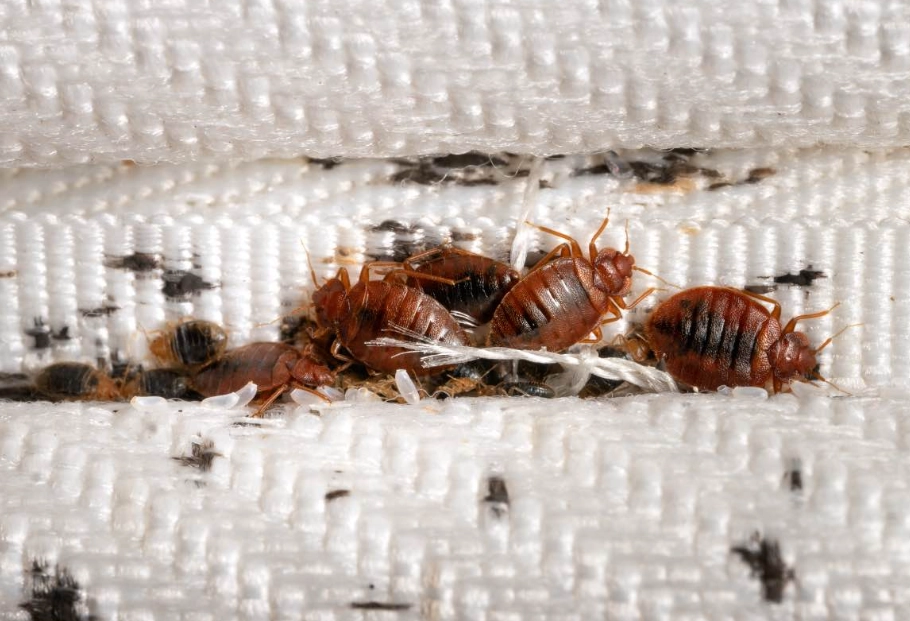
| Transmission Route | How It Happens | Risk Level & Key Details |
|---|---|---|
| 1. Overnight Travel (Hotels, Motels, Airbnbs) | Bugs crawl from the bed, sofa, or luggage rack into your suitcase, backpack, or the folds of your clothes. | Very High. The single most common source. They hide in mattress seams, headboards, bedside tables, and even behind picture frames. |
| 2. Used Furniture & Mattresses | Bringing home a "great find" from the curb, a thrift store, or an online marketplace without proper inspection. | Very High. A favorite nesting ground. Never assume a free couch is a safe couch. Eggs are tiny and easily missed. |
| 3. Multi-Unit Housing (Apartments, Condos) | Bugs travel through wall voids, electrical conduits, pipe chases, and along baseboards from an infested neighboring unit. | High. You can be perfectly vigilant and still get them from a neighbor. This is a major user pain point in urban living. |
| 4. Public Seating & Transit | Picking up a hitchhiker from a plush cinema seat, a public bus/train, a waiting room chair, or even a library carrel. | Moderate. Less common than direct travel, but a real risk. They favor textured, fabric-covered seats where they can hide. |
| 5. Visitors & Overnight Guests | A guest unknowingly brings them in their luggage or on their person. Workers (nurses, techs, movers) can also transport them. | Moderate. It feels awkward, but it happens. The risk spikes if the visitor is coming from a high-risk environment. |
| 6. Workplaces & Offices | An employee brings them from home, and they spread to break rooms, soft chairs, or personal cubicles. | Low to Moderate. Increasingly reported. They won't thrive without regular sleep hosts, but can establish a foothold. |
| 7. Laundry Facilities | Transferring bugs or eggs via shared laundry baskets, sorting tables, or dryers that don't reach high enough heat. | Low. A potential secondary spread method, especially in apartment complexes. The dryer (high heat) is your friend. |
Notice a pattern? It's almost always about passive transport. You provide the ride. This is why blaming yourself or your hygiene is counterproductive. Focus on interception.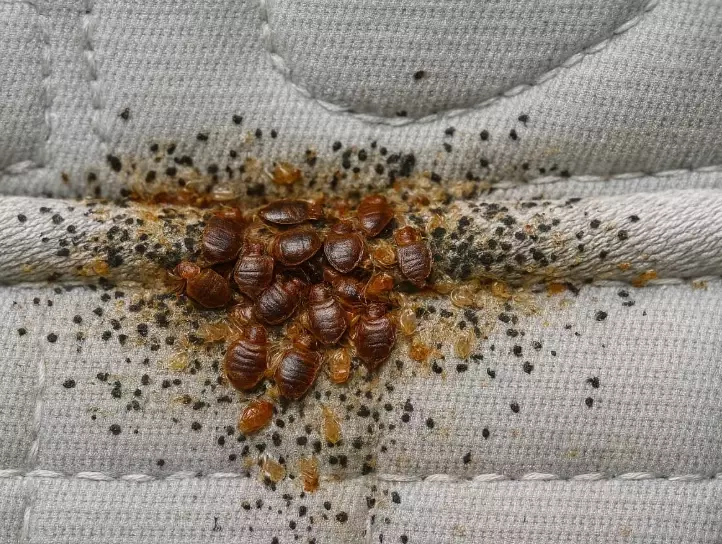
Bed Bug Causes: Busting the Biggest Myths
Let's clear the air. These myths waste time and create unnecessary stigma.
Myth: "My house is clean, so I can't get them."
Reality: Cleanliness is irrelevant. Bed bugs feed on blood, not crumbs. A spotless room offers just as many hiding spots (inside electronics, books, drawers) as a cluttered one. Clutter just makes them harder to find and treat.
Myth: "They come from pets or wildlife."
Reality: The common bed bug (Cimex lectularius) strongly prefers humans. While they might bite pets in a pinch, pets are not a typical source of infestation. You won't get them from your dog's walk in the park. According to entomology research from universities like University of Kentucky, they are specifically adapted to human environments.
Myth: "If I don't travel, I'm safe."
Reality: As the table shows, travel is the top vector, but it's not the only one. That second-hand office chair you bought online, your neighbor's untreated infestation, or a visit from a family member can all be the source. Complacency is a risk factor.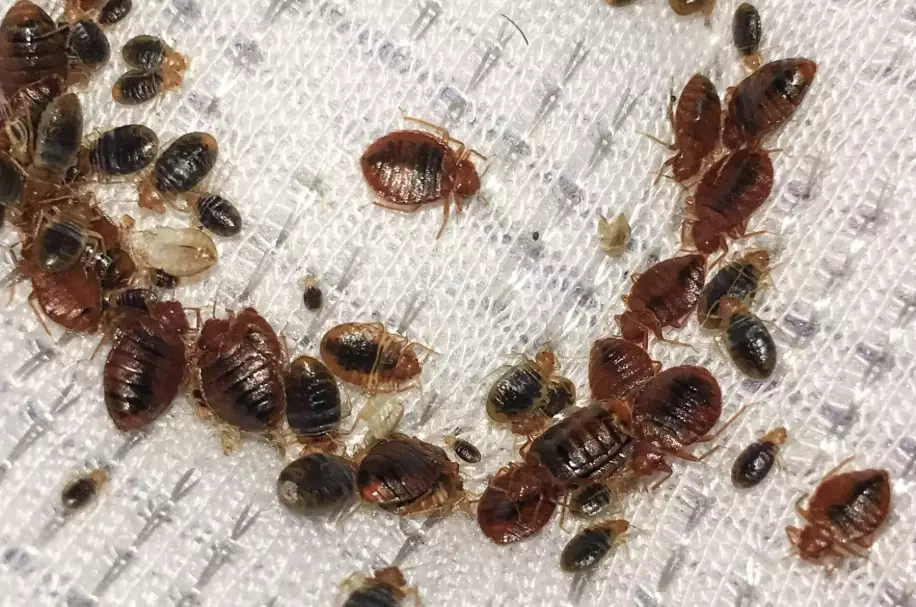
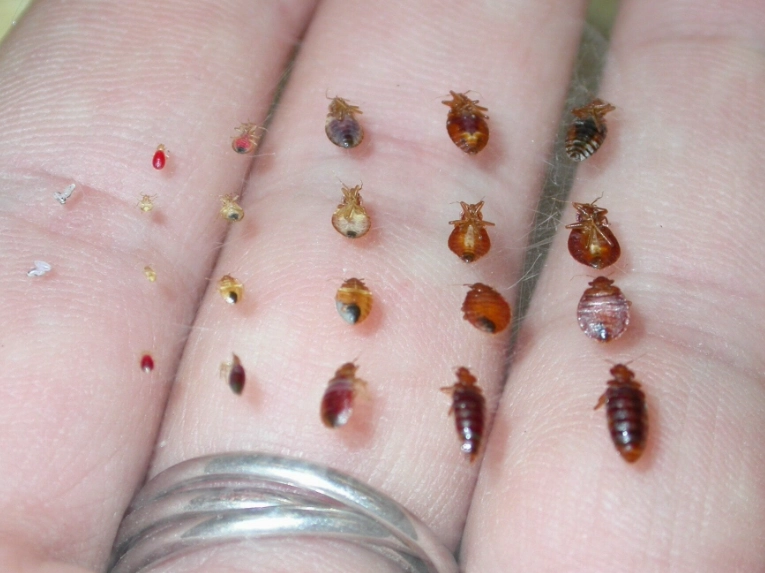
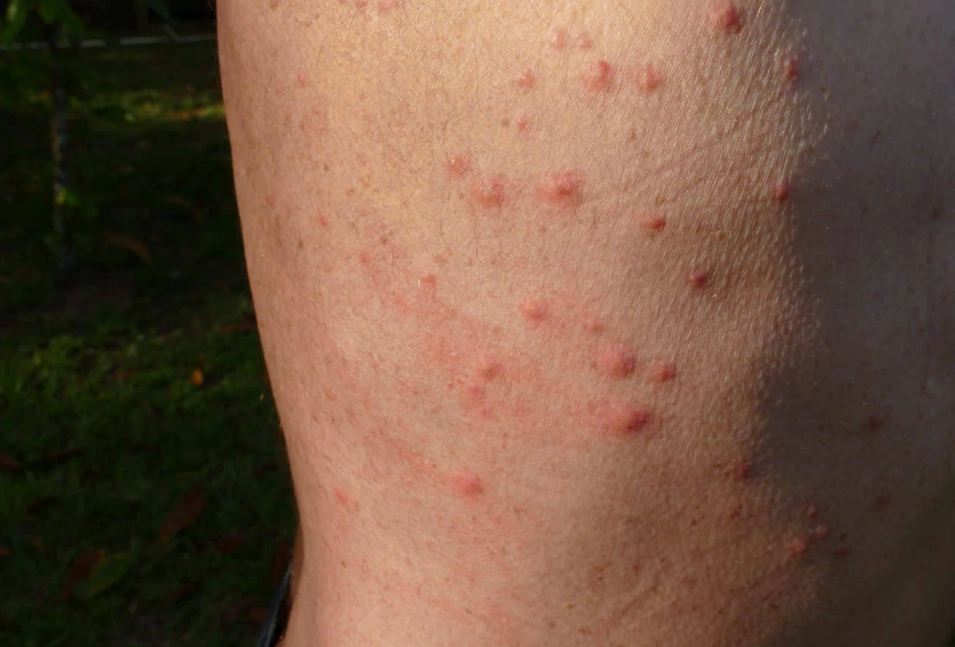
A Non-Consensus Point from the Field: Most guides tell you to look for rusty stains and shed skins. That's fine, but here's what they miss: the most reliable early sign is often unexplained, itchy bites in a linear or clustered pattern ("breakfast, lunch, and dinner") that appear after you've been sleeping or sitting still. The bugs themselves are masters of evasion. By the time you see obvious signs, the population is usually well-established. Trust your body's signals alongside visual inspections.
The Ultimate Travel & Second-Hand Item Prevention Checklist
Knowledge is power, but action is prevention. Here’s your executable plan.
Before and During Any Trip
Pack a small flashlight (your phone's light works) and some large plastic garbage bags. Use a hard-shell suitcase if possible—fewer seams and folds than fabric. Upon entering your hotel room, do not put your luggage on the bed, sofa, or floor. Place it in the dry bathtub or on a luggage rack you've inspected first. Then, conduct a 5-minute inspection:
- Pull back the sheets and inspect the mattress seams, especially at the corners.
- Check behind the headboard (if not bolted to the wall).
- Look in the drawers of the bedside table.
- Scan along the piping of sofas or upholstered chairs.
If you find anything suspicious, request a new room—one not adjacent or directly above/below the old one.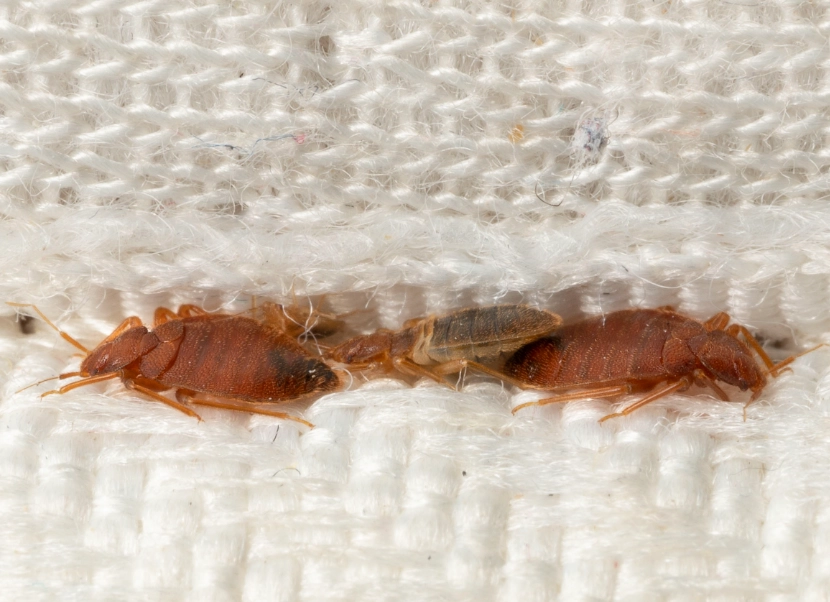
When You Get Home (This is Critical)
Unpack directly into your washing machine. Wash and dry all clothing (even unworn items) on the highest heat settings the fabrics allow. The CDC notes that drying for at least 30 minutes on high heat is key. Your suitcase? Wipe down hard-shell cases with a damp cloth. For fabric suitcases, if you can't run them through a dryer on high heat for 30 minutes, consider storing them in a sealed plastic bag in a garage or basement for several months, or using a portable heating unit designed for this purpose.
Bringing Home Second-Hand Items
Furniture is the biggest gamble. If you must bring something in:
- Inspect Thoroughly: Use your flashlight. Look in every seam, crevice, screw hole, and underneath staples and fabric. Pay special attention to cushions and lining.
- Treat Proactively: If possible, leave the item in a hot, sunny garage for a few days. For non-porous items, a careful steam treatment can help.
- Consider the Source: An item from a single-family home where you can ask questions is lower risk than one from an anonymous apartment building curb.
What to Do If You Think You've Been Exposed
Panic is useless. Systematic action is everything.
First, don't start moving items from room to room. You'll spread them. Isolate the potentially contaminated items (luggage, the backpack you took to the cinema) in a sealed plastic bag or a plastic bin.
Next, strip your bed and wash and dry all bedding on high heat. Vacuum your mattress, box spring, and the area around your bed thoroughly. Immediately empty the vacuum cleaner bag or canister into a sealed plastic bag and dispose of it outside.
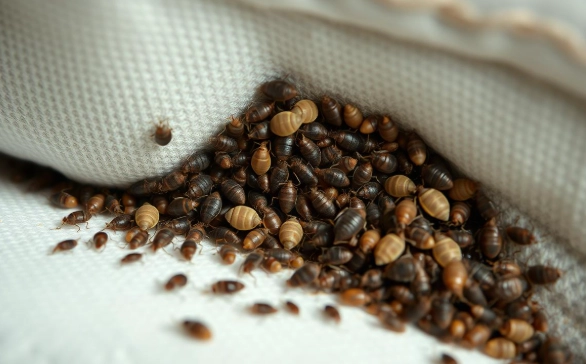
Monitor closely for the next 2-3 weeks. Look for new bites, tiny blood spots on your sheets, or the bugs themselves. Early detection makes professional treatment faster, cheaper, and more effective. If you confirm an infestation, contact a licensed pest control professional who has experience with bed bugs. DIY sprays from the store often scatter the bugs, making the problem worse.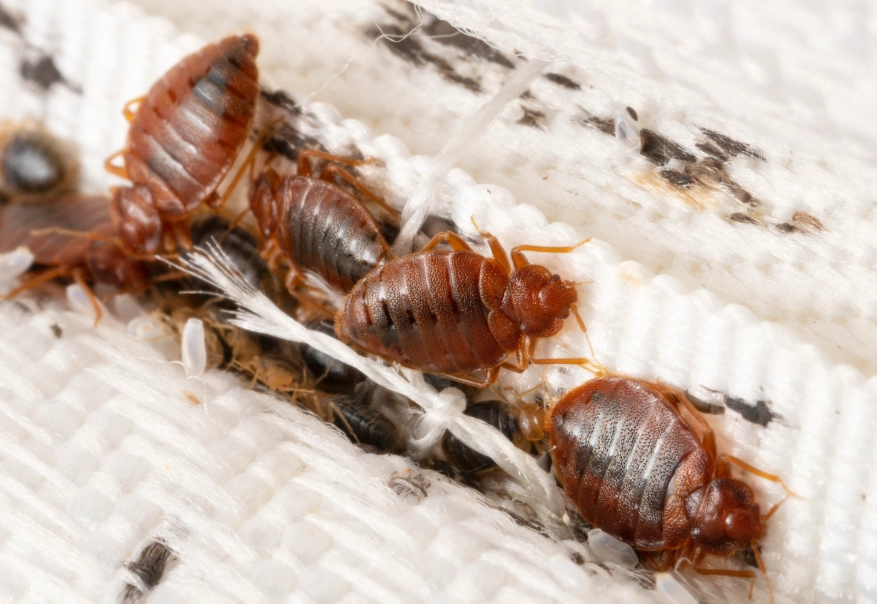
Your Bed Bug Transmission Questions, Answered
The risk is low but not zero. For a bug to transfer during a short bus ride, it would have to be on the person's outer clothing (not usually where they congregate) and actively crawl off. The greater risk on public transit comes from the seating itself. If an infested person sat there previously and a bug remained, it could transfer to you. It's less about person-to-person contact and more about picking up a stray hitchhiker left behind on a shared surface.
Unfortunately, the likelihood is significant if the infestation is large and/or left untreated. They travel through walls via outlets, baseboard cracks, and plumbing. Immediately notify your landlord in writing. A professional inspection of your unit is wise. You can also take proactive steps: install bed bug-proof mattress and box spring encasements, move your bed slightly away from the wall, and place interceptor traps under each bed leg. These won't prevent an invasion, but they will act as an early warning system, catching bugs as they try to climb up to you.
Safer, but not 100% guaranteed. Inspections can miss very small infestations or eggs. This is why the post-trip laundry protocol is non-negotiable, regardless of your inspection findings. Think of the room inspection as reducing risk and the laundry routine as your final, failsafe decontamination step. Always follow both.
No. Bed bugs are attracted to the carbon dioxide we exhale and our body heat. Every human emits these. There's no evidence that blood type, diet, or personal scent makes you more attractive. However, people who travel frequently or work in high-risk settings (healthcare, social work, moving) have more exposure opportunities, not a higher personal attraction factor.
Yes, absolutely. Bed bugs hide in cracks and crevices. The spine of a book, the space behind a canvas, or the back of a picture frame are perfect, secluded spots. For small, non-washable items, you can place them in a sealed plastic bag and put them in a freezer for at least 4 days (ensure your freezer reaches 0°F), or in a hot car parked in the sun on a warm day (temperatures need to exceed 120°F). Inspection is key here too.



Comments