You’re tidying up the garage, moving a box that’s been in the corner for months, and there it is. A small, dark, leggy shape scurries into a crack. Your heart does a little jump. Is it dangerous? Should you call an exterminator? Is your home now infested? Let’s cut through the fear and get straight to the facts. Most small black spiders you find indoors are harmless, reclusive roommates that would rather avoid you. But knowing which ones matter—and what to do about them—is the key to peace of mind.
What’s Inside: Your Quick Guide
Why the Small Black Spider Triggers Alarm (And When It Should)
It’s not just the eight legs. The fear often stems from one famous name: the black widow. Its iconic red hourglass and potent neurotoxic venom have cemented the association between “small, black spider” and “medical emergency” in our collective psyche. The problem is, this leads to massive over-identification. I’ve seen people panic over a common, harmless cobweb spider because it was dark-colored and in a basement.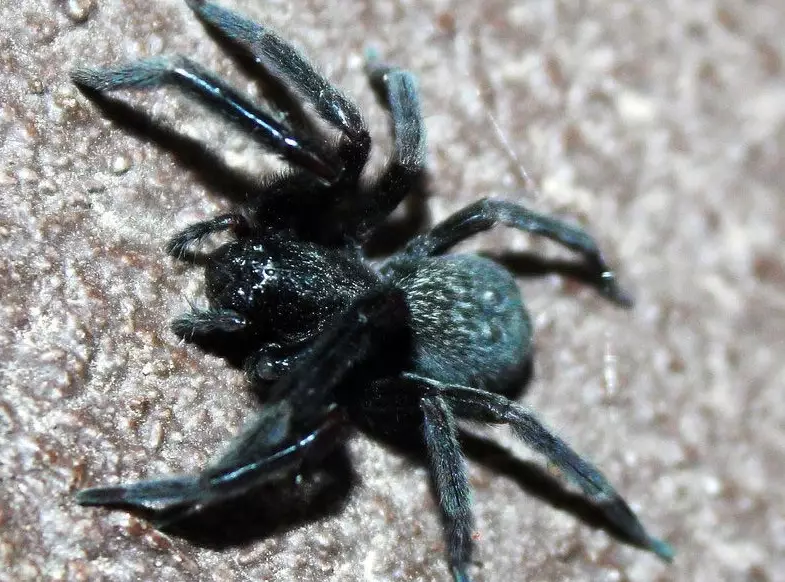
The real issue is a knowledge gap. Without clear markers, every small black spider becomes a potential threat. This anxiety drives the search for information—people don’t just want to know what it is, they want to know if they and their family are safe, and how to make the problem go away for good.
How to Accurately Identify Common Small Black Spiders
Forget trying to count eyes. Look for these three practical, visual cues: body shape, web type, and location. Here’s a breakdown of the usual suspects you’re likely to encounter in or around homes in North America and Europe.
| Spider | Key Identifying Features | Typical Habitat & Web | Geographic Range |
|---|---|---|---|
| Black Widow (Latrodectus species) | Glossy, jet-black, bulbous abdomen. Females have a distinct red or orange hourglass on the underside. Males are smaller, brown, and harmless. | Dry, sheltered, undisturbed spots: woodpiles, shed corners, under patio furniture, basement crawl spaces. Builds an irregular, tangled “cobweb.” | Widely distributed across the US, southern Canada, and parts of Europe. |
| False Widow (Steatoda species) | Often mistaken for widows. Dark brown to black with a more spherical, nut-like abdomen. May have pale markings on top, but NO red hourglass underneath. | Similar to widows: sheds, garages, window frames. Also makes a tangled cobweb. | Common in Europe (noble false widow); species found in North America too. |
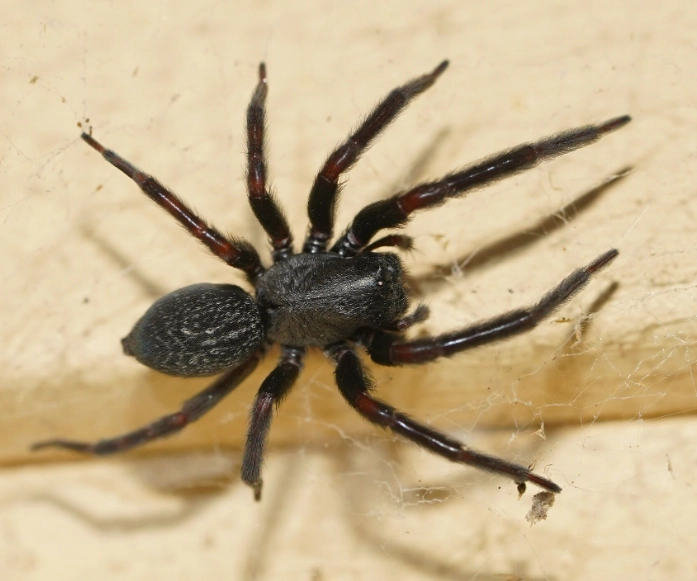
| Black House Spider / Window Spider (Badumna species) | Dark charcoal grey to black, with a slightly velvety appearance. Stocky body. Often found in its funnel-shaped web. | Classic find: Window corners, eaves, fence palings, tree bark. Builds a lacy, sheet-like web with a funnel retreat. | Very common in Australia; introduced to parts of the US, New Zealand, and Europe. |
| Common Cobweb Spider (Parasteatoda tepidariorum) | Variable in color, often brown with darker patterns, but can appear quite dark. Abdomen is rounded with subtle marbling. | Ubiquitous in homes. Builds messy, three-dimensional cobwebs in upper corners of rooms, ceilings, and behind furniture. | Cosmopolitan—found in homes worldwide. |
Here’s a tip most guides miss: look at the legs. Widows and false widows have legs that are typically smooth and lack prominent spines. Many harmless house spiders have hairier or spikier legs. If you can safely get a photo (using zoom!), this can be a helpful clue.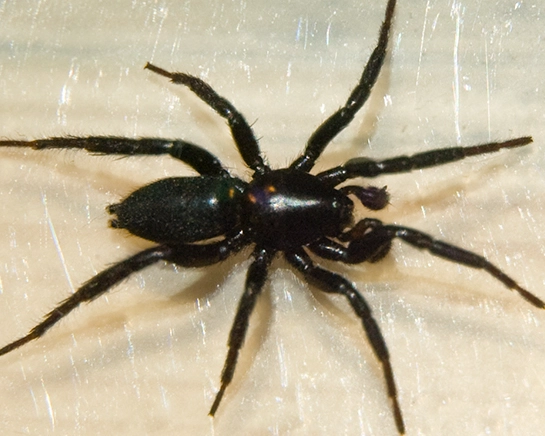
A Personal Encounter: The Garage Spider
Last fall, I found a sleek, black spider in a messy web behind my lawnmower. My first thought was “widow.” But I took a breath, used a stick to gently encourage it onto a white piece of paper, and looked at its underside with a flashlight. No hourglass. It was a false widow. The relief was immediate, but so was the lesson: assumption is the enemy. A few minutes of calm observation saved me from unnecessary panic and potentially using harsh chemicals where they weren’t needed.
Are Small Black Spiders Actually Dangerous?
This is the core question. The answer is a very nuanced “mostly no, but.”
The Black Widow: Yes, its venom is medically significant. A bite can cause severe muscle pain, cramps, nausea, and sweating—a condition called latrodectism. However, fatalities are extremely rare in healthy adults with modern medical care. According to the CDC, no deaths from widow bites have been reported in the U.S. for decades. The bite itself is often not very painful initially, which can lead to confusion.
The False Widow: Its bite is often compared to a wasp sting. It can be painful, cause local swelling and redness, and in rare cases lead to more systemic symptoms. It’s unpleasant but not considered life-threatening.
The Black House Spider & Common Cobweb Spider: These guys are practically harmless. They can bite in self-defense if pressed against skin, but the effect is usually minor—a brief sting and tiny red mark. They are not aggressive.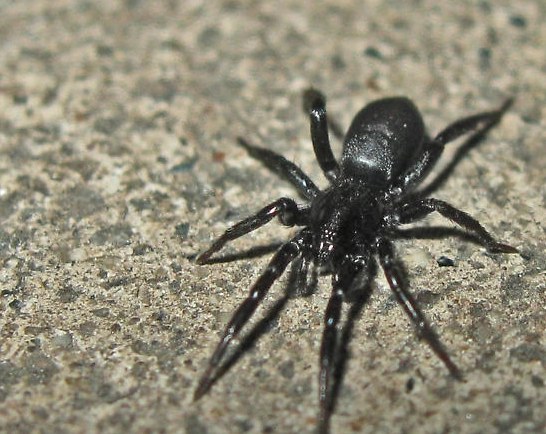
Your Prevention Blueprint: Keeping Small Black Spiders Out
Spiders follow their food. The best long-term strategy isn’t to wage war on the spiders, but to make your home less attractive to them and their prey (other insects). This is Integrated Pest Management 101.
Seal the Fortress: This is your most effective move. Spiders are masters of slipping through tiny gaps.
- Inspect and seal cracks in foundation, around windows, and door frames with silicone caulk.
- Install tight-fitting door sweeps on exterior doors.
- Repair tears in window and door screens.
- Seal gaps where utilities (pipes, cables) enter the house.
Reduce Clutter & Harborage: Spiders love quiet, undisturbed real estate.
- Store firewood, lumber, and boxes off the ground and away from the house exterior.
- Keep garages, basements, and attics tidy. Avoid piles of cardboard.
- Trim back vegetation, ivy, and tree branches from touching your home’s walls and roof.
Lighting Strategy: Flying insects are drawn to lights, and spiders set up shop nearby. Swap standard white porch lights for yellow “bug light” bulbs or sodium vapor lights, which are less attractive to insects.
General Cleanliness: Regular vacuuming, especially in corners, under furniture, and along baseboards, removes spiders, webs, and egg sacs. It also eliminates the crumbs and detritus that attract their prey.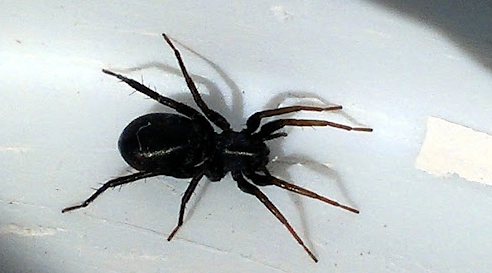
How to Safely Remove Small Black Spiders (Without the Nuclear Option)
You’ve found one. Now what? Reaching for a can of insecticide is usually overkill and creates more problems (chemical residues, killing beneficial insects) than it solves.
The “Cup and Card” Method: The gold standard for solitary spiders. Place a clear cup over the spider, slide a stiff piece of paper or cardboard underneath to trap it, then carry it outside and release it. It’s simple, effective, and non-lethal. For spiders high on walls, use a vacuum cleaner with a hose attachment—but empty the bag/canister outside afterward.
When to Consider Targeted Treatment: If you have a recurring problem in a specific area (like a shed with multiple widow webs), a targeted application of a residual insecticide labeled for spiders (like those containing pyrethroids) can be used. Spray it directly onto surfaces where they hide and run, not broadly across your yard. Always read and follow the label.
Professional Help: Call a pest management professional if: you have a confirmed infestation (many spiders and egg sacs), you are highly allergic, or you repeatedly find medically significant spiders (like widows) in high-traffic areas and can’t manage them yourself.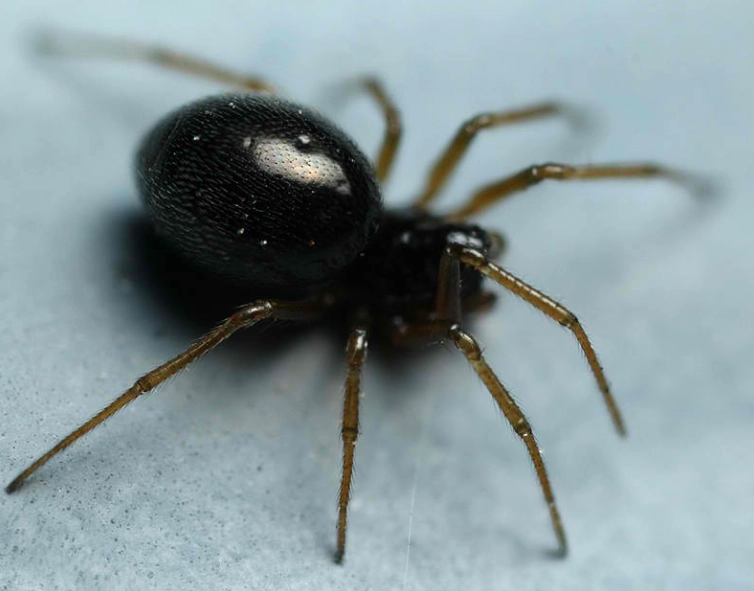
Your Questions, Answered (Beyond the Basics)
The goal isn’t to live in a sterile, spider-free bubble. That’s impossible and ecologically unsound. Spiders play a crucial role in controlling flies, mosquitoes, and other pests. The goal is co-existence on your terms. By learning to identify the rare problematic species, methodically sealing your home, and using humane removal for the occasional intruder, you can eliminate fear and reclaim your space. Next time you see that small black shape, you’ll know it’s probably just a harmless housekeeper, and you’ll know exactly what to do.


Comments