Let's talk about ticks. Not the pleasant kind. If you've ever found one crawling on your jeans after a hike, or worse, embedded in your skin, you know the immediate wave of disgust and worry. That worry is justified. Ticks are more than just nuisance pests; they are sophisticated survivors and efficient disease vectors. To effectively defend against them, you need to think like one. And that starts with understanding the tick life cycle in detail. It's not just "egg, larva, nymph, adult." It's a story of survival, timing, and a relentless quest for blood that directly impacts your risk of encountering them and getting sick.
What You’ll Learn in This Guide
What is the Tick Life Cycle? The Four-Stage Journey
Every tick goes through four distinct life stages: egg, larva, nymph, and adult. This is a three-host life cycle, meaning the tick needs a different blood meal from a different host animal to advance from larva to nymph, and from nymph to adult. The only stage that doesn't feed is the egg. Missing a meal often means death. This desperate need for blood is the engine of their entire existence and the root of our problem with them.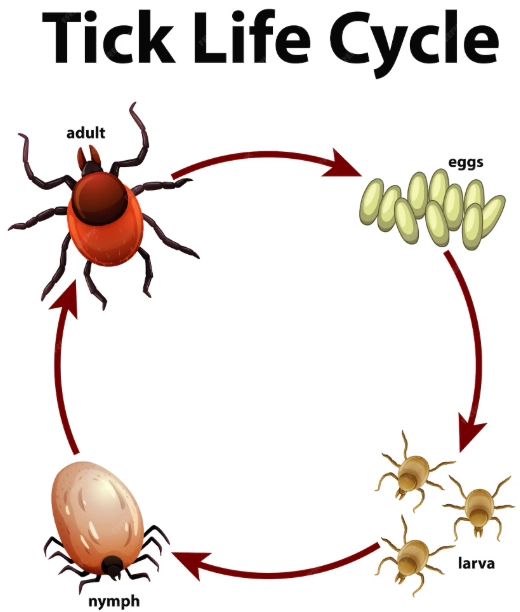
Here's the critical nuance most guides miss: The time it takes to complete this cycle isn't fixed. It can range from under a year to over three years. It depends entirely on the species, climate, and—most importantly—how quickly the tick finds a suitable host at each hungry stage. A tick can wait months, even over a year, in the leaf litter for a host to brush by. This patience is why simply "waiting out the season" isn't a reliable strategy.
Stage 1: The Egg Mass
It starts in a damp, hidden place—under leaves, in soil crevices, or at the base of tall grass. A single engorged female tick can lay a staggering 2,000 to 18,000 eggs before she dies. They look like a tiny cluster of caviar. There's no disease risk here, as the eggs themselves are sterile. But this mass represents the starting line for thousands of potential new ticks. The eggs hatch anywhere from two weeks to two months later, releasing the next stage.
Stage 2: The Larva (Seed Tick)
Larvae are tiny, often no bigger than a grain of sand. They have only six legs. This is their first quest for blood. Contrary to popular belief, they don't specifically seek out humans. Their first meal usually comes from small mammals like mice, birds, or even lizards. This first meal is crucial. If that mouse host is carrying a pathogen like the bacteria that causes Lyme disease (Borrelia burgdorferi), the larva can become infected during this very first feed. After feeding for several days, it drops off, digests its meal, and molts into the next stage.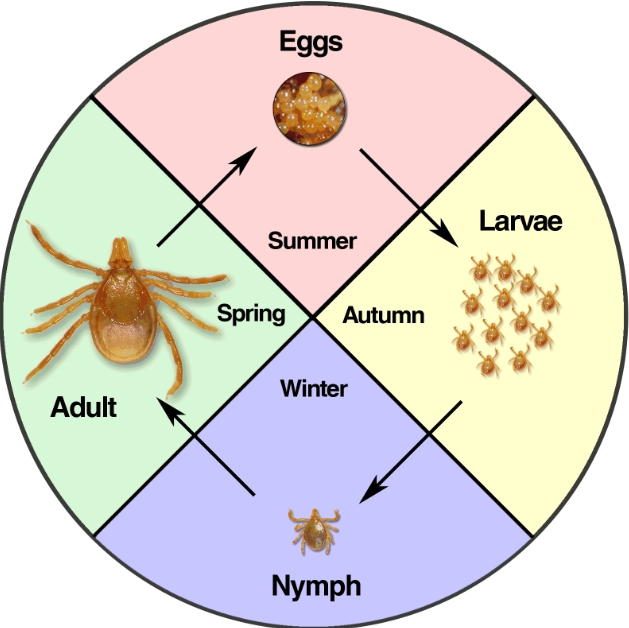
Stage 3: The Nymph
Now with eight legs, the nymph is about the size of a poppy seed. This is, in my experience and according to data from the CDC, the most dangerous stage for human disease transmission. Why? Their size makes them incredibly hard to spot. You might brush off an adult tick, but a nymph can go unnoticed for days, giving it ample time to transmit pathogens. Nymphs are active in the spring and summer—prime time for human outdoor activity. They seek a larger host, which now often includes humans, pets, deer, and raccoons. After feeding, they drop, digest, and molt into adults.
Stage 4: The Adult
Adults are the easiest to see. Females are larger with a dark scutum (shield) near their head; males are smaller and often darker. Their primary goal is reproduction. Adult females need a massive blood meal to produce those thousands of eggs. They often seek large mammals like deer, cattle, dogs, and humans. After mating on the host, the engorged female, now resembling a grayish bean, drops off to lay her eggs and die, completing the cycle. Males may feed minimally or not at all, focusing on finding females.
How Ticks Find and Feed on Hosts: The Quest for a Blood Meal
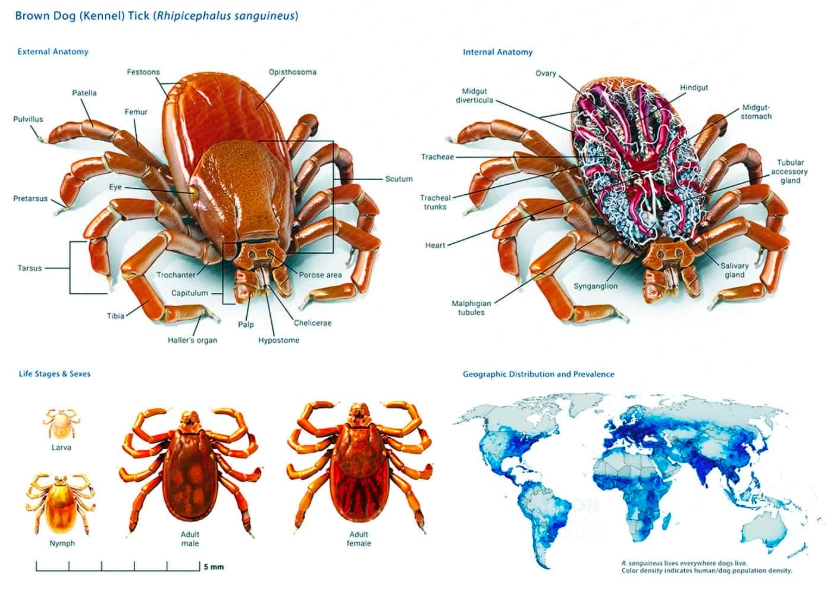
Ticks don't jump, fly, or drop from trees. That's a myth. They practice "questing." They climb to the tip of a blade of grass or a low shrub, extend their front legs equipped with Haller's organs (which sense heat, carbon dioxide, and vibrations), and wait. When a potential host brushes past, they simply latch on.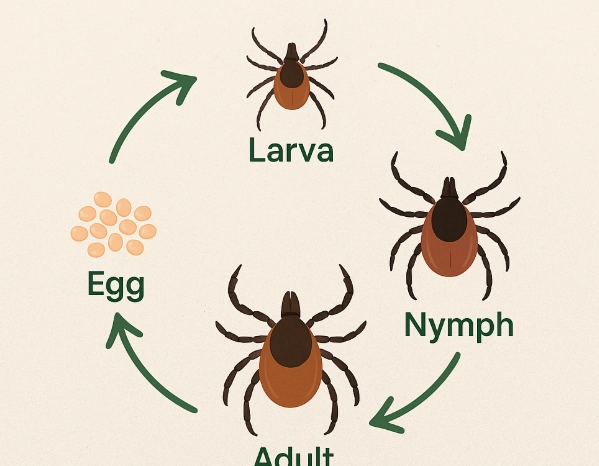
Once on a host, they don't bite immediately. They crawl, sometimes for hours, looking for a prime feeding spot—areas with thin skin and good blood supply. Think behind knees, groin, armpits, waistband, scalp, and ears. Then they cut into the skin, insert a barbed feeding tube (hypostome), and secrete a cement-like substance to anchor themselves. Their saliva contains anticoagulants and anesthetics, which is why you often don't feel the bite.
Imagine this scenario: It's late May. You take a 30-minute walk on a wooded trail. A black-legged tick nymph, questing on a fern, transfers to your shoelace. Over the next hour, it crawls up your pant leg, eventually settling in the back of your knee. It feeds undisturbed for 36 hours before you happen to find it during a shower. That 36-hour window is critical for Lyme disease transmission, which typically requires the tick to be attached for more than 24-36 hours.
Not All Ticks Are the Same: Lifecycle Variations by Species
Lumping all ticks together is a mistake. The timing, host preference, and disease risk vary dramatically. Knowing which species are in your area changes your defensive strategy.
| Tick Species (Common Name) | Typical Lifecycle Duration | Key Hosts & Notes | Primary Diseases Transmitted |
|---|---|---|---|
| Black-legged Tick (Deer Tick) | 2-3 years | Larva/Nymph: Mice, birds. Adult: White-tailed deer, humans. Nymphs are the main Lyme threat. | Lyme disease, Anaplasmosis, Babesiosis |
| American Dog Tick | 1-2 years | As the name suggests, dogs are a primary host at all stages. Also feeds on humans, especially adults. | Rocky Mountain Spotted Fever, Tularemia |
| Lone Star Tick | 1-2 years | Aggressive and fast-moving. Will actively pursue hosts. All stages readily bite humans. | Alpha-gal syndrome (red meat allergy), Ehrlichiosis |
This table shows why regional awareness matters. If you live in the Northeast or Upper Midwest, your focus is on the black-legged tick's nymph stage in late spring. In the Southeast, the aggressive Lone Star tick is a year-round concern.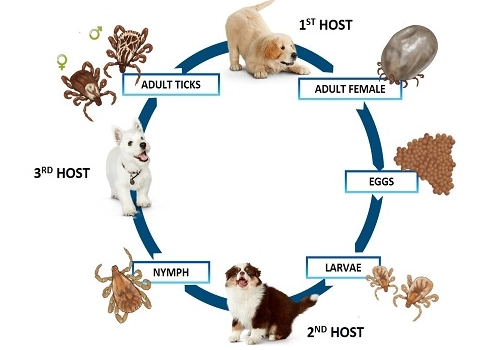
From Knowledge to Action: Strategic Prevention Based on Their Lifecycle
Understanding the lifecycle turns prevention from a vague "be careful" into a targeted mission. Here’s how to apply this knowledge seasonally and tactically.
1. Target the Nymphs (Late Spring & Early Summer)
This is your highest-risk window. Assume nymphs are present in tall grass and leaf litter. Your Action Plan: Treat your hiking clothes, boots, and gear with permethrin. It’s a game-changer. It doesn't just repel; it kills ticks on contact. Apply it to your gear (not skin) and let it dry completely. It lasts through multiple washes. For skin, use an EPA-registered repellent with 20-30% DEET, picaridin, or IR3535. After being outdoors, throw your clothes in a hot dryer for 10 minutes before washing. The heat will kill any hitchhikers that the permethrin missed.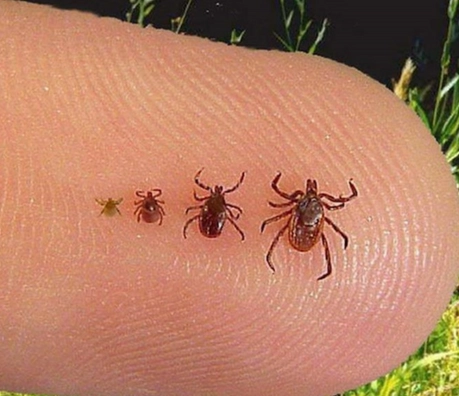
2. Disrupt the Habitat (Year-Round)
Remember, ticks thrive in the moist, shaded transition zone between woods and lawn. Your Action Plan: Create a dry, sunny barrier. Keep your lawn mowed. Remove leaf litter, brush, and tall weeds from yard edges. Stack wood neatly in a dry, sunny area. Consider installing a 3-foot-wide border of wood chips or gravel between wooded areas and your recreation spaces. This creates a "moat" that's difficult for ticks to cross.
3. Perform Strategic Tick Checks
Assume you will encounter ticks. The goal is to find and remove them before they attach or within the first 24 hours. Your Action Plan: Do a full-body check immediately after coming indoors. Use a mirror for hard-to-see areas. Pay special attention to the lifecycle feeding hotspots: under arms, in and around ears, inside belly button, behind knees, between legs, around the waist, and in hair. Showering within two hours can help wash off unattached ticks. Feel for small bumps—a nymph can feel like a new mole or speck of dirt.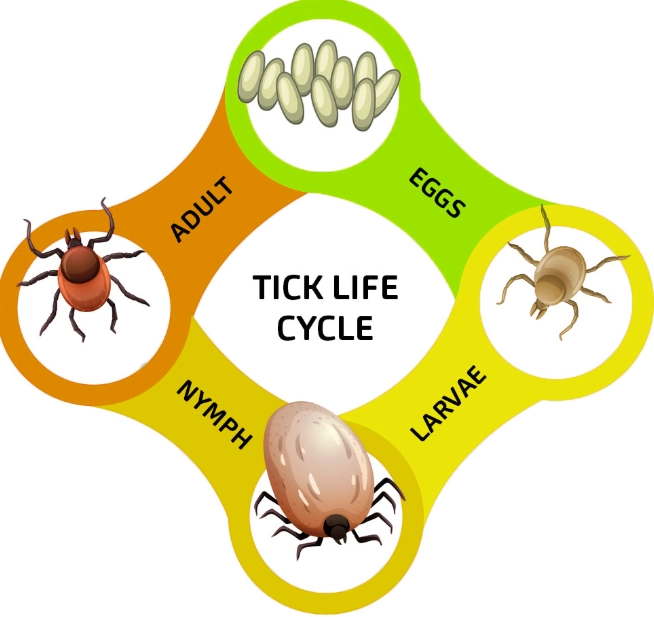
Your Tick Life Cycle Questions, Answered
The tick life cycle isn't just academic biology. It's a roadmap to your vulnerability. By knowing when each stage is active, how they hunt, and where they thrive, you shift from being a passive potential host to an active defender. It turns fear into a manageable, strategic effort. Start with permethrin-treated clothes, maintain your yard's perimeter, and make thorough tick checks a non-negotiable habit. You can't eliminate every tick from the environment, but you can use their own life story against them to drastically lower your risk.

Comments