You found the perfect house. The price was right, the neighborhood felt like home, and you were ready to sign. Then the inspection report came back. The inspector used phrases like "extensive frass," "hollow-sounding wood," and the one that makes your stomach drop: "active subterranean termite tubes." Congratulations, you're now looking at a potential termite house. This isn't just a few bugs. It's a property where termites have been treating your future home's structure as an all-you-can-eat buffet, often for years, hidden behind walls and under floors. The emotional and financial stakes are huge. I've been in the property inspection and restoration field for over a decade, and I can tell you that most guides get this wrong. They focus on scare tactics or oversimplified solutions. Let's cut through the noise and talk about what a termite house really means for you, whether you're buying, selling, or stuck living in one.
What You'll Find in This Guide
- What Exactly Makes a House a "Termite House"?
- How to Spot the Signs of a Termite House (Beyond the Obvious)
- The Real, Unvarnished Cost of Termite Damage Repair
- The Hard Truth About Buying a House With Termite Damage
- Selling a Termite House: A Step-by-Step Damage Control Plan
- Your Tough Questions on Termite Houses Answered
What Exactly Makes a House a "Termite House"?
Let's be clear. A house with a single termite sighting isn't a termite house. That's just a pest problem. The industry uses "termite house" as shorthand for a property with significant, structural-level damage from a long-term, often undetected, infestation. We're talking about compromised load-bearing beams, sagging floor joists, weakened wall studs, and damaged sill plates. The National Pest Management Association estimates termites cause over $5 billion in property damage annually in the U.S. alone, but that damage is rarely evenly distributed. A termite house is where a disproportionate chunk of that damage has settled.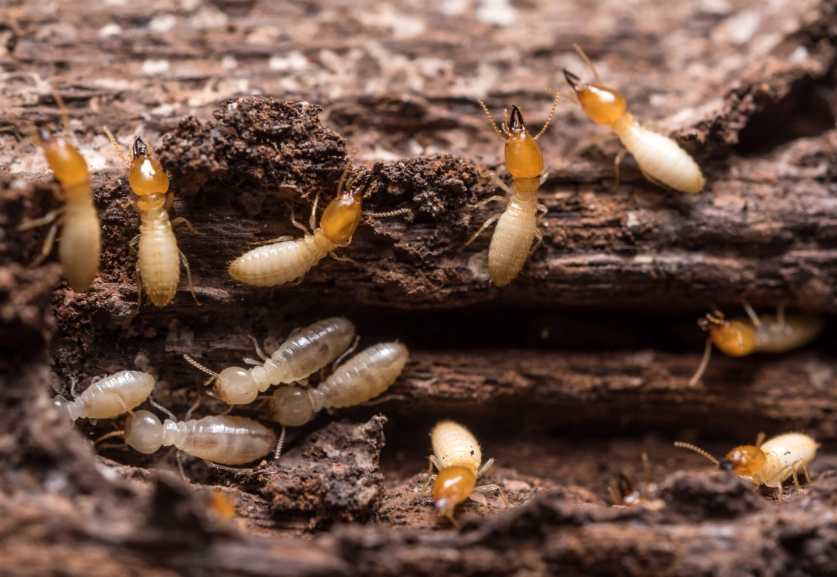
The scariest part? The most destructive species, like subterranean termites, work from the inside out. They eat the soft springwood inside a beam, leaving a thin veneer of wood or just paint on the surface. A wall can look perfectly fine but be hollow and ready to collapse. I once inspected a beautiful 1920s Craftsman where the owner had no idea. He'd hung a heavy mirror, the anchor went right through the hollowed-out stud, and that's how the nightmare started. That's the defining characteristic: the damage is hidden until it becomes severe.
How to Spot the Signs of a Termite House (Beyond the Obvious)
Everyone knows about mud tubes and discarded wings. But those are evidence of activity. To gauge damage, you need a sharper eye. Here’s what most buyers and even some rookie inspectors miss.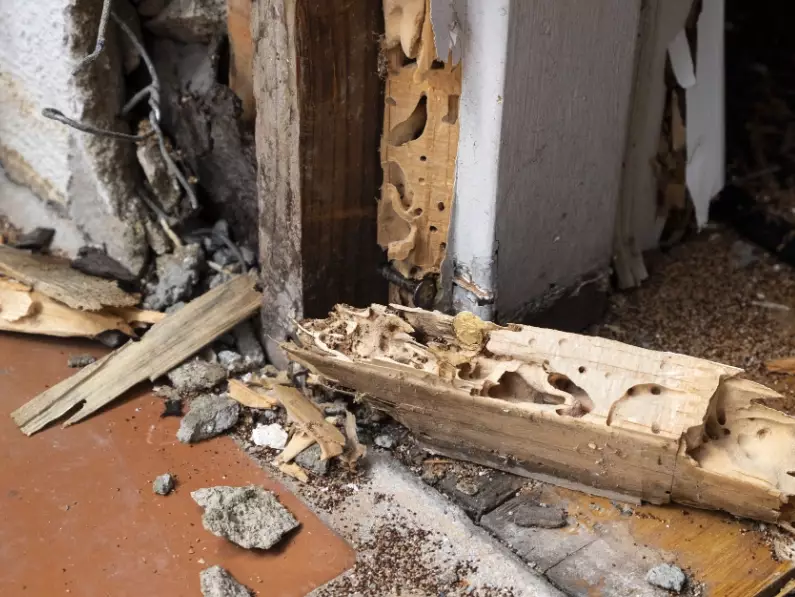
Pro Tip: Bring a simple ice pick or a sturdy pocket knife with you when viewing a home. Gently (and with permission) probe areas where wood touches the foundation, like basement window frames, sill plates, and the bottom of door frames. If the tool sinks in easily with little resistance, you've found a problem.
Listen to the house. Walk firmly across floors, especially near exterior walls. A spongy or slightly bouncy feel is a major red flag. Tap on wood trim, baseboards, and beams with the handle of a screwdriver. A hollow, papery sound versus a solid *thunk* is telling you something.
Look for the subtle warps. Termites introduce moisture as they work. Look for doors or windows that no longer open or close smoothly. This is often blamed on "settling," but it can be a sign of damaged framing. Check for bubbling or distorted paint, which can mask moisture and damage underneath.
Check the "unsexy" places. Don't just look in the living room. Get in the crawl space (if it has one) or the unfinished basement. Shine a flashlight along the foundation walls and on the underside of floor joists. Look for mud tubes that look like tiny, muddy veins. Look for wood that appears darker, blistered, or has a honeycomb pattern inside if you can see a cross-section.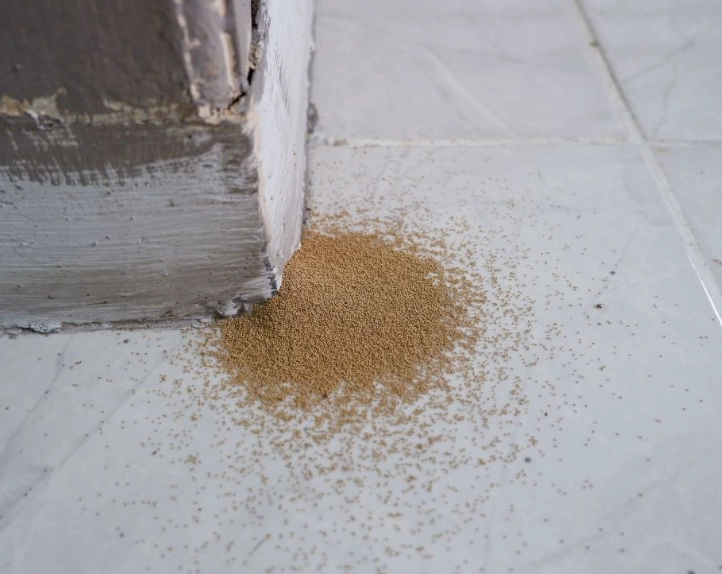
The One Sign That's Almost Always a Deal-Breaker
If you see termite damage in the structural sill plate (the horizontal wood beam that sits directly on the foundation) or in multiple floor joists, you are almost certainly dealing with a full-blown termite house. Repairing these elements is invasive, complex, and expensive, often requiring temporary structural support (jacking up the house) to fix. This is the point where many investors and buyers walk away.
The Real, Unvarnished Cost of Termite Damage Repair
Online estimates are useless. "$3,000 to $15,000" is so broad it's meaningless. The cost depends entirely on two things: the extent of the damage and the location of the damage. A damaged non-load-bearing interior wall stud is a weekend project. A damaged main support beam in a crawl space is a different universe.
| Type of Damage | Typical Repair Description | Estimated Cost Range (Labor & Materials) | Why the Cost Varies |
|---|---|---|---|
| Localized Non-Structural | Replacing a few damaged studs in an interior wall, repairing a section of subfloor. | $1,000 - $4,000 | Cost depends on finish work (drywall, paint, flooring) after the structural fix. |
| Multiple Floor Joists | Sistering new joists alongside damaged ones or full replacement. Requires accessing crawl space. | $5,000 - $15,000+ | Access difficulty, need for temporary supports, plumbing/electrical in the way. |
| Structural Sill Plate & Band Joist | The most serious repair. Requires jacking up house sections to replace the wood that sits on the foundation. | $15,000 - $30,000+ | Engineering reports, permit fees, specialized contractors, high risk. |
| Full Extermination + Treatment | Professional tenting (fumigation) or soil treatment to eliminate the colony. | $1,200 - $2,500+ | Size of house, type of treatment, warranty length. This is SEPARATE from repair costs. |
Here's the hidden cost nobody talks about: contingency. Contractors often find more damage once they open up a wall. I advise clients to add a 20-30% contingency buffer to any quote. Also, repairing termite damage often voids any "transferable" warranty from a previous treatment, meaning you'll foot the bill for the next infestation too.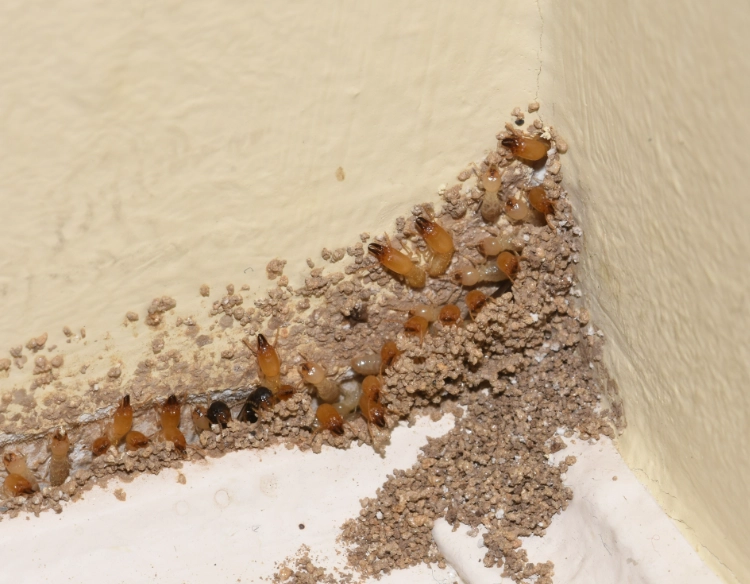
Critical Mistake: The biggest error homeowners make is treating the extermination as the main expense. It's not. The structural repair is where the financial pain hits. A $2,000 fumigation bill followed by a $25,000 repair bill is the classic termite house one-two punch.
The Hard Truth About Buying a House With Termite Damage
You're under contract, the inspection reveals damage, and the seller offers a $5,000 credit. Should you take it? Almost never.
A credit is a guess. You are betting that the repair cost will be less than or equal to the credit. If the repair costs $18,000, you just lost $13,000. The only safe way to proceed is to turn the credit request into a repair request. Demand that the seller, at their expense:
- Hire a licensed, reputable pest control company to provide a full treatment plan with a warranty.
- Hire a licensed general contractor to provide a detailed, line-item repair estimate for all structural damage noted in the inspection report.
- Complete both the treatment AND the repairs before closing, with all invoices and warranties transferred to you.
If the seller refuses? Walk away. It's that simple. The emotional attachment isn't worth the potential financial ruin and the sleepless nights wondering what's hiding in your walls. I've seen too many buyers become reluctant landlords of a money pit because they didn't heed this advice.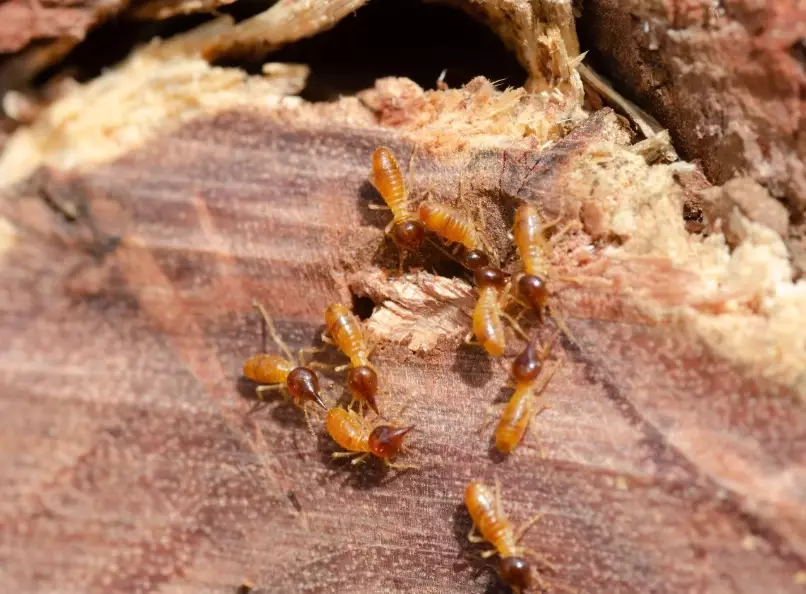
Selling a Termite House: A Step-by-Step Damage Control Plan
On the flip side, if you own a termite house and need to sell, panic is your worst enemy. Transparency and proactive action are your only tools.
Step 1: Get the Facts. Don't assume. Pay for your own detailed inspection from a certified structural pest control inspector (find one through your state's licensing board). You need to know the exact scope of the problem before a buyer's inspector finds it.
Step 2: Fix It or Price It. You have two paths:
- Path A (Fix First): Get multiple bids, complete all structural repairs and extermination. Get all warranties in writing. This removes "termite damage" as a negotiating point and will net you a higher sale price. It's an upfront investment to avoid a lowball offer.
- Path B (Price for As-Is): If you can't afford repairs, you must price the home significantly below market value to account for the buyer's repair cost and risk. Disclose everything upfront with the inspection report in hand. Target cash buyers or investors who specialize in distressed properties.
Step 3: Master the Disclosure. In most states, you are legally required to disclose known material defects. Hiding termite damage is fraud and will lead to lawsuits. Be brutally honest on the disclosure form. Attach the repair invoices and warranties if you fixed it. This builds trust with serious buyers.
Selling a termite house isn't easy, but trying to hide it is a catastrophic legal and financial strategy.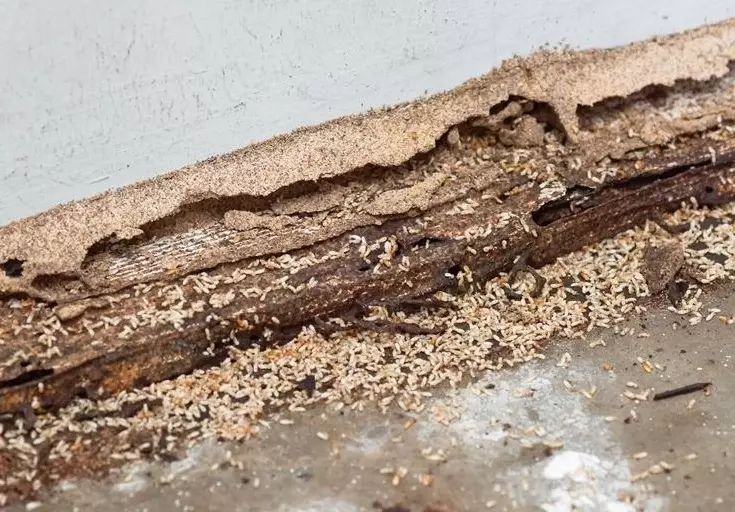
Your Tough Questions on Termite Houses Answered
The seller's disclosure said "termite damage repaired in 2015." Is the house safe now?
Maybe, but you need proof, not promises. "Repaired" could mean they sprayed and called it a day. Request the full service report and any contractor invoices from 2015. Look for specifics: Was it just treatment, or were structural components actually replaced? Even if it was a proper repair, a new colony could have started since then. Your offer must be contingent on a clean inspection from your own, trusted pest inspector. Never take a seller's word on this.
If the house is tented for termites, does that guarantee all the damage is fixed?
Absolutely not. This is the most dangerous misconception. Tenting (fumigation) only kills the live insects. It does zero to repair the wood they've already eaten. A house can be completely bug-free but still be structurally unsound. Fumigation is step one. A separate, thorough structural inspection and necessary repairs are step two. Paying for fumigation without assessing the damage is like putting a band-aid on a broken leg.
Can a termite house ever be fully "cured," or is it a permanent mark against the property?
If properly repaired by a qualified contractor and protected with an ongoing pest control warranty, a termite house can be completely sound and safe. The "mark" is more about disclosure and perception. The repair history will always be on the disclosure form. However, a well-documented, professional repair with long-term transferable warranties can actually be a selling point—it shows the problem was addressed comprehensively. The stigma fades with impeccable paperwork and proof.
What's the one piece of advice you give friends about termite inspections?
Don't hire the inspector your realtor always uses. Find your own. It sounds cynical, but realtors make money when deals close. An inspector who kills too many deals might stop getting referrals. Look for an inspector who is a licensed engineer or has a background in construction, not just a pest control technician. Pay the extra $100-$200 for a thermal imaging scan during the inspection—it can reveal hidden moisture patterns behind walls that often point to termite activity. It's the best money you'll spend in the entire home-buying process.
Comments