You're cleaning out the garage, moving a stack of firewood, or reaching into a dark corner of the shed. Your hand brushes against a messy, tangled web, and you catch a glimpse of a shiny, jet-black spider with a bright red mark. Your heart skips a beat. Is it a black widow? Knowing the definitive black widow characteristics is more than just curiosity—it's a matter of safety. This guide cuts through the myths and gives you the clear, actionable information you need to identify these spiders, understand where they live, and know exactly what to do if you encounter one. I've spent years studying arachnids and responding to homeowner concerns, and I'll share details most general pest articles miss.
What You'll Find Inside
The Visual ID: Beyond the Red Hourglass
Everyone knows about the red hourglass. But relying on that alone is the biggest mistake beginners make. You need to look at the whole picture.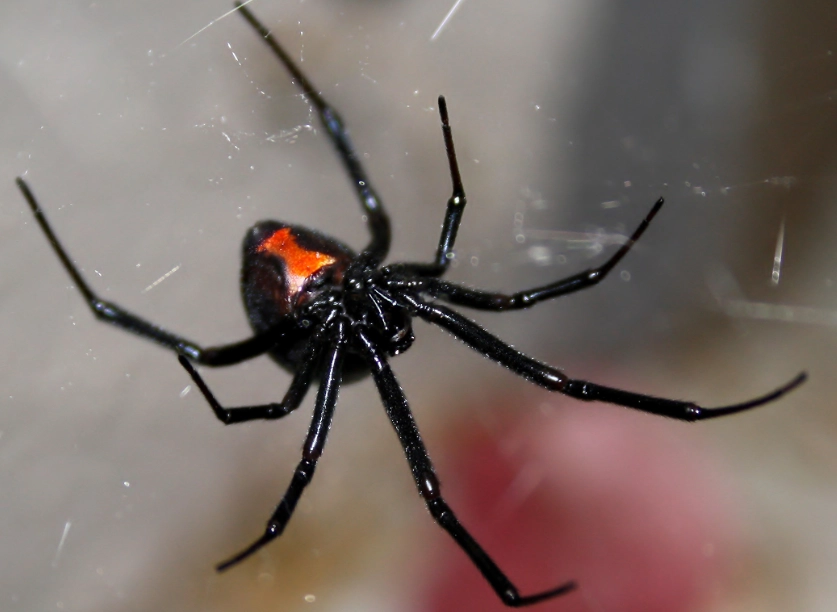
Adult Female (The Classic Black Widow): This is the one you need to recognize. She's about 1.5 inches long including her legs. Her body is a deep, glossy black that looks like polished onyx. The famous red or orange-red hourglass is on the underside (ventral side) of her round abdomen. It's not always a perfect hourglass—sometimes it's two separate triangles or even a single dot or series of dots. On rare occasions, especially in certain regions, the marking can be yellowish.
Look closer. Her legs are long, slender, and black. Her body is hairless and shiny, not fuzzy. The abdomen is large and spherical, much larger than the front part of her body (the cephalothorax). This gives her a distinctive, almost top-heavy appearance.
Pro Tip from the Field: Use a flashlight and a mirror. If you suspect a spider in a low crevice or under an object, don't put your face near it. Shine a light and use a small hand mirror to safely check for the ventral hourglass marking.
Adult Male: He's often overlooked. Males are about half the size of females, with longer legs relative to their body. They're not solid black. They're usually brown or gray with lighter stripes or spots on their abdomen and sometimes have red or pink spots along the sides. They have the hourglass too, but it's often pale yellow or white. Males are not considered medically significant.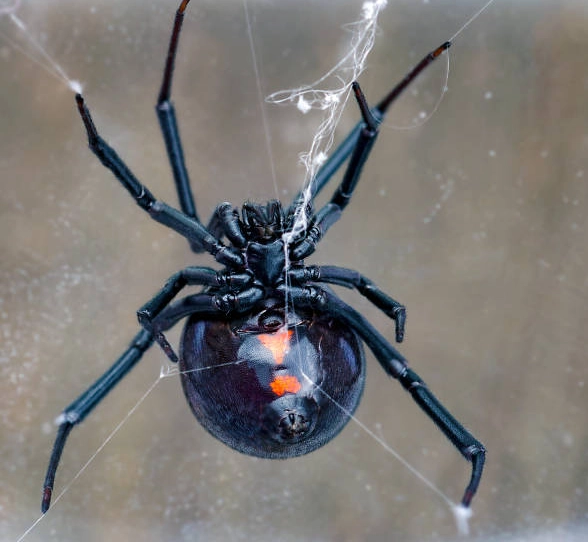
Juveniles & Immatures: Spiderlings start out white, cream, or orange. As they molt, they develop darker colors and the tell-tale markings. Immature females often have a pattern of red, orange, and white dots and bars on the top of their abdomen, which can look strikingly different from the adult. This colorful juvenile pattern fades to solid black as they mature.
Habitat & Behavior: Where They Really Live
Black widows (Latrodectus species) are not aggressive hunters that chase people. They're secretive, sedentary web-weavers. Understanding their preferred real estate is key to avoiding them.
They build irregular, three-dimensional, tangled "cobweb" type webs. The silk is very strong and has a distinctive, almost gritty feel if you touch it. The web has no pattern, unlike the beautiful orb webs of garden spiders. It's a chaotic, messy-looking structure used as both a home and a trap.
You'll find these webs in dry, sheltered, undisturbed places. Think cluttered garages, sheds, basements, under patio furniture, in woodpiles, in meter boxes, under eaves, and in rodent burrows. They like it dark and quiet. A common hotspot people miss is the void under a rolled-up garden hose left on the ground.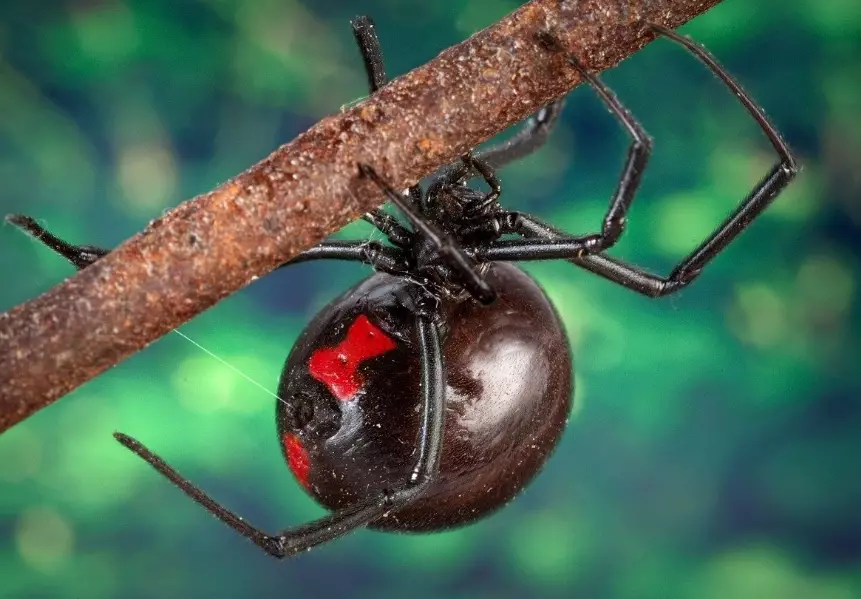
Their behavior is defensive. The female spends most of her life in or very near her web. She hangs upside down in the web, often with her hourglass fully visible as a warning. If the web is disturbed, she'll usually retreat to a crack or corner rather than advance. Bites almost always occur due to accidental compression—when a person reaches into a space without seeing her or puts on a shoe or glove she's taken shelter in.
Black Widow Species in the U.S.
Not all black widows are identical. The U.S. is home to a few primary species, with some regional variation in appearance.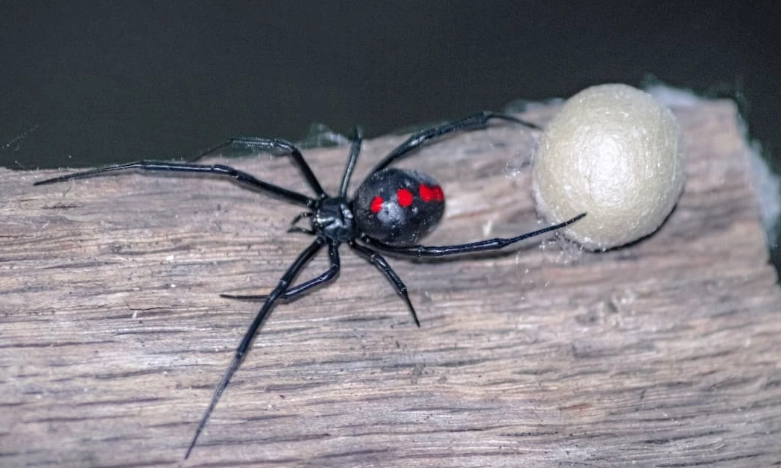
| Species Name | Primary Range | Key Identifying Notes |
|---|---|---|
| Southern Black Widow (Latrodectus mactans) |
Southeastern U.S., north to New York, west to Texas. | The "classic" widow. Glossy black with a complete, well-defined red hourglass. Most common species. |
| Northern Black Widow (Latrodectus variolus) |
Northeastern U.S., south to Florida, west to Texas and Oklahoma. | Hourglass is usually broken into two separate red marks. May have a row of red spots down the top of the abdomen. |
| Western Black Widow (Latrodectus hesperus) |
Western U.S., from Canada to Mexico, east to Texas. | Similar to Southern, but hourglass can vary. Often found in desert and urban areas. The most widespread western species. |
| Brown Widow (Latrodectus geometricus) |
Southern coastal states (CA, TX, FL, GA, SC), spreading. | NOT black. Tan to dark brown with an orange or yellowish hourglass. Egg sacs are spiky (like a pollen ball). Venom is less potent but still seek medical attention for a bite. |
The University of Minnesota Department of Entomology and other extension services provide excellent regional distribution maps.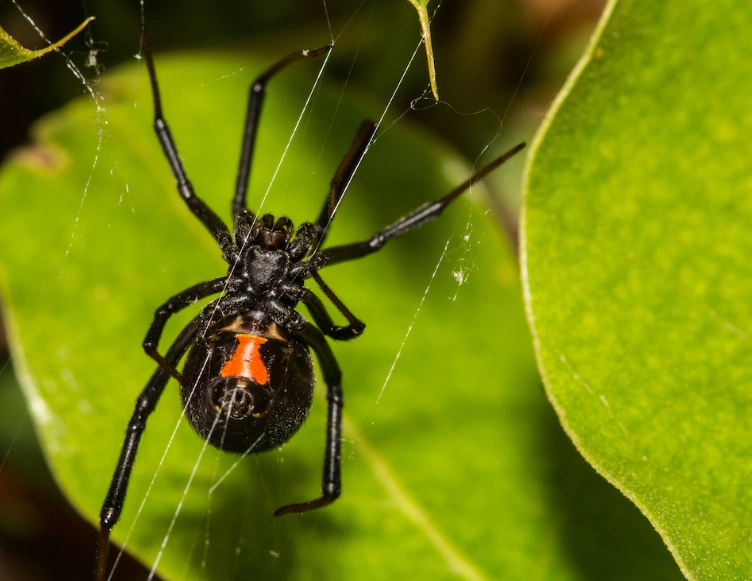
Common Look-Alikes: Don't Panic Yet
Many harmless spiders get mistaken for black widows. Misidentification causes unnecessary fear and often leads to the killing of beneficial predators. Here’s how to tell the difference.
False Black Widow (Steatoda grossa): This is the #1 impostor. It's a dark, glossy brown or purplish spider with a similar body shape. Key differences: No red hourglass. It often has a faint, lighter-colored mark on the top of its abdomen. Its legs are more reddish-brown. It's common in homes worldwide and its bite, while unpleasant, is not medically significant like a true widow's.
Red-Spotted Ant Mimic Spider (Castianeira descripta): This one has a black body with bright red or orange spots on the top rear of the abdomen. People see "black spider with red spots" and panic. But it looks nothing like a widow up close—it's hairy, has a slender, elongated abdomen, and hunts actively on the ground without a web.
Male Black Widows & Immature Females: As described earlier, their colorful markings often cause confusion with other species. Remember the context—web type, habitat, and overall body shape are crucial.
Rule of Thumb: If the spider is in a messy, tangled web in a sheltered location, is glossy black, and has a red mark on the underside of a large, round abdomen, treat it as a black widow. If any of those pieces are missing, you're likely looking at a harmless relative.
If You're Bitten: Immediate Response Steps
Black widow venom is a neurotoxin. The bite itself may feel like a pinprick or go unnoticed. The real symptoms develop 30 minutes to several hours later. This is not a "wait and see" situation.
Symptoms to Expect (Latrodectism): Intense muscle pain and cramping (usually starting at the bite site and spreading to the back, abdomen, and shoulders), sweating, nausea, vomiting, headache, elevated blood pressure, and general restlessness. The classic presentation is severe abdominal rigidity that can mimic appendicitis.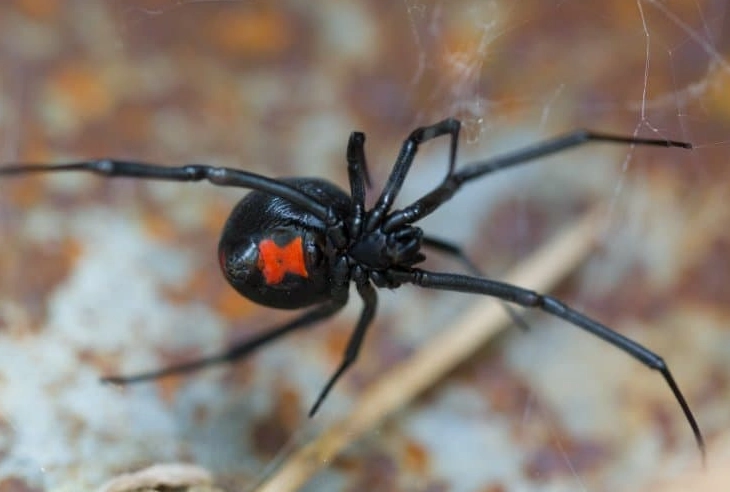
What To Do Immediately:
- Remain Calm. Panic increases heart rate and can spread venom faster.
- Wash the bite area gently with soap and water.
- Apply a cool compress (not ice directly) to reduce swelling and pain.
- Seek medical attention immediately. Go to an urgent care clinic or emergency room. This is non-negotiable.
What NOT To Do: Do not apply a tourniquet. Do not try to suck out the venom. Do not give the person aspirin or other blood thinners. Do not wait for symptoms to get worse.
At the hospital, treatment may involve pain medication, muscle relaxants, and, in severe cases, antivenom. The Centers for Disease Control and Prevention (CDC) notes that with prompt medical care, fatalities are extremely rare in healthy adults, but the experience is intensely painful and serious for children, the elderly, or those with underlying conditions.
Prevention & Control: Making Your Space Less Inviting
The goal isn't to eradicate every spider from your property—that's impossible and ecologically unsound. The goal is to make the immediate areas around your home less attractive to black widows specifically.
Exclusion & Sanitation (The Most Effective Steps):
- Declutter. This is 90% of the battle. Remove piles of lumber, rocks, bricks, and debris from against your house.
- Store items off the ground. Use shelves in garages and sheds. Keep firewood stacked neatly and away from the house.
- Seal cracks and gaps. Use caulk to seal openings around foundations, windows, and door frames. Install tight-fitting screens.
- Wear gloves. Always wear heavy gloves when gardening, moving wood, or cleaning out storage areas.
- Shake it out. Shake out shoes, gloves, and gardening clothes that have been sitting in a shed or garage before putting them on.
If You Find a Web & Spider:
For a confirmed black widow in a high-traffic area, you can remove it. Use a vacuum with a hose attachment to suck up the spider and its web from a safe distance. Immediately seal and dispose of the vacuum bag or empty the canister into a sealed plastic bag outdoors. Insecticidal dusts labeled for spiders (containing ingredients like delta dust) can be applied lightly to voids and cracks where they may nest. Avoid indiscriminate spraying of broad-spectrum insecticides—it kills their predators and often misses the hidden widow.
A common oversight is treating the ground but not looking up. Check under patio chair cushions, the undersides of tables, and the corners of eaves.
Your Black Widow Questions Answered
Understanding black widow characteristics gives you power over fear. You can identify them accurately, respect their space, and take smart, effective actions to minimize encounters. Stay observant, wear those gloves, and keep your outdoor areas tidy. If you do find one, now you know it's not a monster—just a potentially dangerous animal that prefers to be left alone, and you have a clear plan to handle it safely.




Comments