If you're worried about termites, knowing exactly what kind you're dealing with changes everything. The wrong guess can waste thousands of dollars on ineffective treatment. After years in pest control, I've seen homeowners panic over flying ants or spend a fortune treating for the wrong termite. It's frustrating. The truth is, North American homes face three primary termite threats: subterranean, drywood, and dampwood termites. Each has a unique MO, from how they get in to the damage they leave behind. This guide isn't just a list. It's a practical manual to spot the differences, understand the real risk, and know what action to take. Let's cut through the confusion.
What You'll Learn in This Guide
The Three Main Types of Termites
Forget the dozens of species for a second. From a homeowner's perspective, you need to know three groups. Their biology dictates their behavior, and their behavior dictates your problem.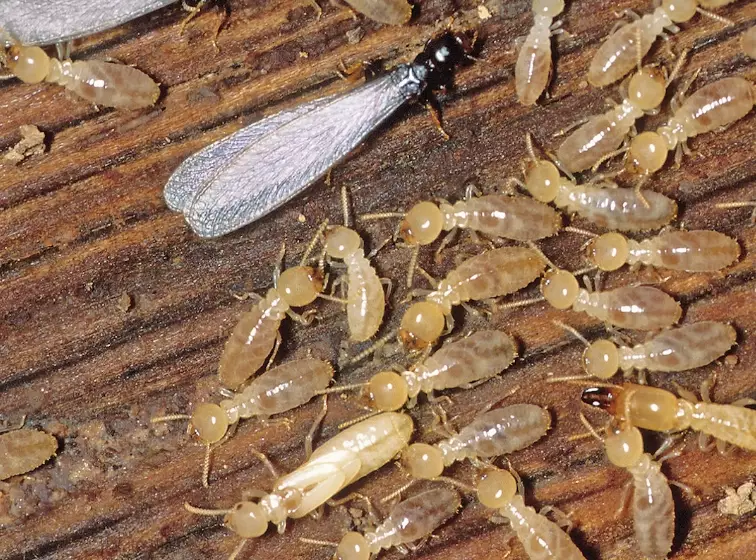
1. Subterranean Termites: The Silent Majority
These are the big players. According to the USDA, subterranean termites cause over 95% of the termite damage in the U.S. They don't want to be seen. They live in massive colonies underground, sometimes hundreds of feet away from your house. Their signature move? Building mud tubes. These pencil-sized tunnels of soil and saliva are their protected highways from the soil to the wood in your home. They need constant moisture contact with the soil to survive. I've found active tubes in crawl spaces that looked like tiny, muddy arteries climbing up the foundation. Break one open, and you might see the pale workers scurrying. If you see these tubes, you have an active, ongoing infestation. It's not an old relic.
2. Drywood Termites: The Compact Colonists
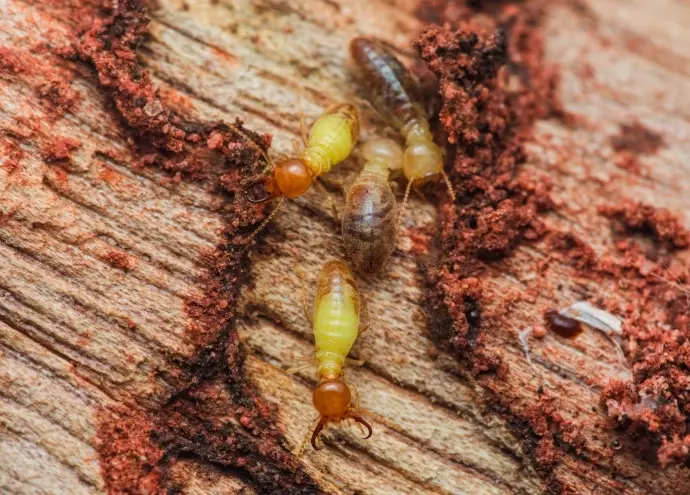
Drywood termites are the independent operators. They don't need soil or much moisture. A single mated pair can fly into your home, find a tiny crack in an eaves trim or window frame, seal themselves inside, and start a new colony right in the wood they're eating. Their colonies are much smaller, maybe a few thousand individuals, but they can set up multiple colonies in one house. Their calling card is their fecal pellets, called frass. These tiny, six-sided, wood-colored granules get kicked out of their galleries through tiny "kick-out holes." You'll find little piles of this sand-like material on windowsills, in attics, or under infested furniture. I once inspected a home where the homeowner thought the frass on their windowsill was just dust from a nearby construction site. It wasn't.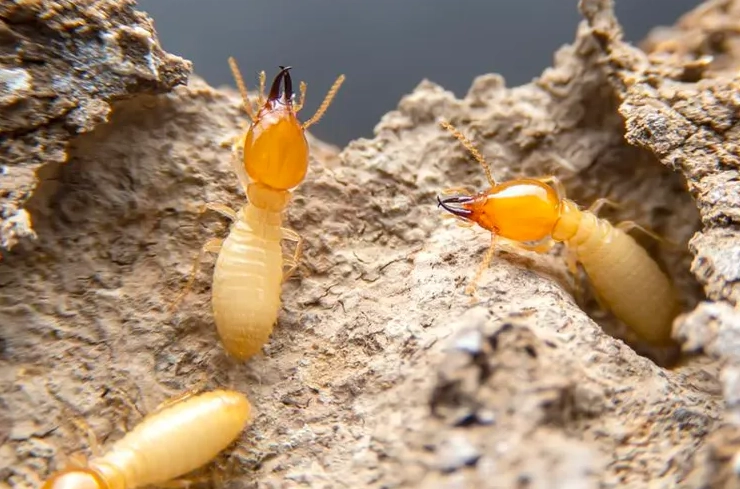
3. Dampwood Termites: The Moisture Lovers
These are less common in homes and more of a concern in naturally damp areas or homes with chronic moisture problems. They infest wood with high moisture content—think rotting fence posts, leaky roof timbers, or wood in constant contact with wet soil. They're typically larger than other termites. The good news? They rarely infest sound, dry structural wood in a well-maintained home. Fix the moisture leak, and you often solve the dampwood termite problem. They're a symptom more than the primary disease. I see them most often in crawl spaces with poor ventilation or in old, neglected wood piles.
| Termite Type | Primary Habitat | Key Identification Sign | Moisture Need | Colony Size |
|---|---|---|---|---|
| Subterranean | Underground, in soil | Mud tubes on foundations, swarmers near ground | High (needs soil contact) | Very Large (100,000s to millions) |
| Drywood | Inside dry wood they consume | Frass piles, kick-out holes, swarmers from wood | Very Low | Small to Moderate (a few thousand) |
| Dampwood | High-moisture, often decaying wood | Large termites in damp wood, no mud tubes | Very High | Variable, often moderate |
How to Identify Each Type of Termite
Identification starts with the evidence, not the bug. You often won't see the termites themselves until it's serious.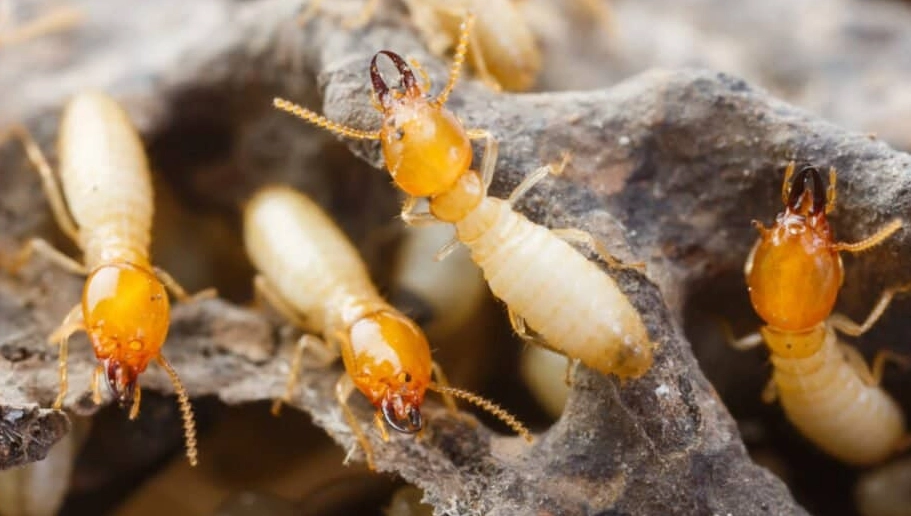
Step 1: Look for the Signs, Not Just the Insects. Grab a flashlight and a screwdriver. Check your foundation from the outside. Look for mud tubes. They can be thin and barely noticeable. Go inside your crawl space or basement. Look along sill plates and floor joists. Tap on wood with the handle of the screwdriver. A hollow sound or papery texture is a red flag. In your attic and around windows, look for piles of frass.
Step 2: Understand Swarmers (Alates). These are the winged reproductive termites. They emerge to start new colonies. Subterranean swarmers are dark, almost black, with two pairs of wings equal in length. They typically swarm on warm, humid days after rain, often near ground level. Drywood swarmers are larger and lighter in color, often a reddish-brown. They emerge directly from infested wood—you might see wings piled up on a windowsill where they shed them. A common misstep is killing a few swarmers and thinking the problem is solved. Swarming means a mature colony is nearby. The swarmers themselves don't eat wood; it's the colony they came from that's the issue.
Step 3: The Frass Test. If you find small piles of granules, try this. Crush a few between your fingers. Drywood termite frass is gritty and hard, like sand. It's also uniformly shaped. Ant frass or other debris is usually irregular and may contain insect parts. The location is key. Frass directly under a small hole in a wood beam is a classic drywood indicator.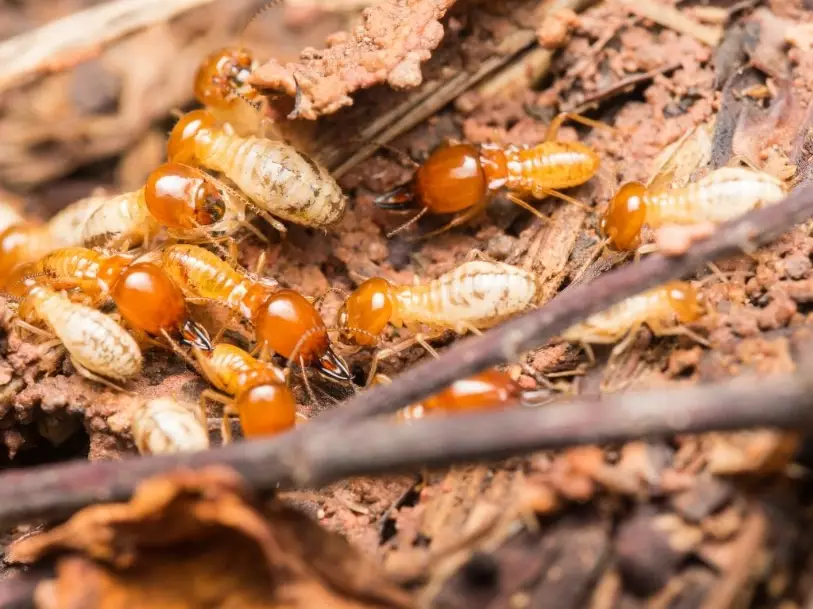
Damage Comparison: Which Termite is Worst?
All termite damage is bad, but the scale and pace differ dramatically.
Subterranean termites are the undisputed heavyweight champions of destruction. Their colonies are enormous, so they have a massive workforce eating 24/7. They consume wood along the grain, leaving a characteristic honeycomb pattern with layers of wood and soil/mud. They can compromise critical structural supports—floor joists, support posts, sill plates—leading to catastrophic and expensive repairs. The damage is often hidden behind walls or under floors until it's advanced.
Drywood termites cause localized, compartmentalized damage. They eat across the grain, creating smooth, clean chambers. While a single colony's damage grows slowly, multiple colonies can infest a single structure, attacking furniture, framing, and trim. The repair often involves cutting out the infested section of wood, which can be extensive in walls or roofs. The cost isn't just in treatment but in the carpentry and restoration afterward.
Dampwood termites are usually limited to areas already compromised by water damage. They accelerate decay but are seldom the primary cause of structural failure. The wood was already rotting. Repair usually involves removing the damaged, wet wood and fixing the source of moisture.
Here's the brutal truth: a severe subterranean infestation can render a home unsafe to live in. A drywood infestation can make a home incredibly expensive to remediate. A dampwood infestation is a warning sign your house has a water problem.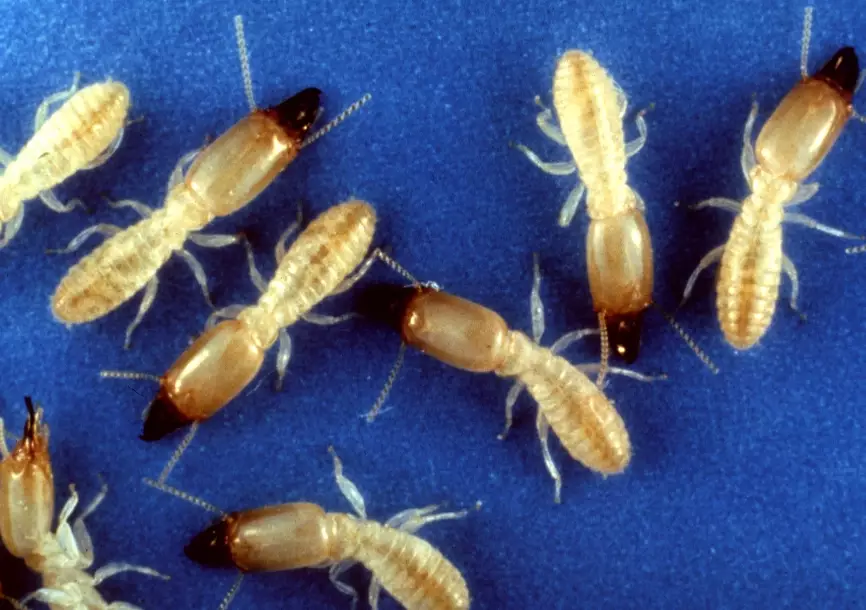
Targeted Treatment Strategies
Throwing the same treatment at every termite problem is like using antibiotics for a virus. It won't work.
For Subterranean Termites
The goal is to break their soil connection. Modern strategies are either repellent or non-repellent.
Liquid Soil Barriers: A trench is dug around the foundation, and a termiticide is applied, creating a continuous chemical barrier. Older chemicals repelled termites; newer non-repellent versions are undetectable and spread through the colony via grooming and contact.
Bait Systems: Stations are placed in the ground around the home. They contain a slow-acting insect growth regulator. Worker termites take the bait back to the colony, eventually eliminating it. This is slower but can be less invasive.
A professional will assess soil type, foundation type, and infestation severity. DIY liquid treatments are almost always ineffective and can contaminate soil.
For Drywood Termites
Since the colony is inside the wood, you must reach it.
Localized Treatment (Spot Treatment): For small, accessible infestations (e.g., a window frame, a single beam). A professional drills small holes into the infested gallery and injects a dust or foam insecticide directly into the void.
Whole-Structure Fumigation (Tenting): For widespread or inaccessible infestations. The home is sealed under a tent, and a gas (like Vikane) is introduced. It penetrates every crack and void, killing all life stages. This is the nuclear option—highly effective but disruptive and expensive. You must leave your home for several days.
Heat treatment is another, less common option, raising the home's core temperature to lethal levels for termites.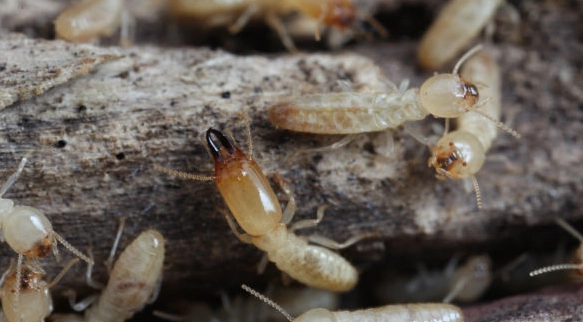
For Dampwood Termites
Treatment is straightforward: remove the moisture source and the infested wood. Replace rotten wood with pressure-treated or termite-resistant lumber. Ensure proper drainage, fix leaks, and improve ventilation in crawl spaces. Chemical treatment is rarely the primary solution here.
Common Mistakes and Misidentifications
I've lost count of the misidentifications.
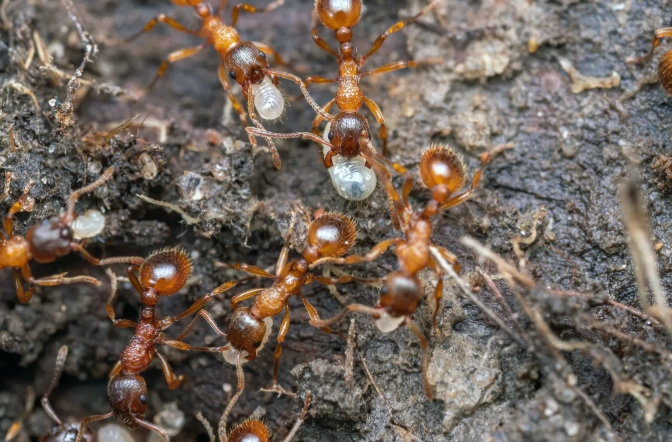
Termites vs. Carpenter Ants: This is the big one. Both can swarm with wings. Key differences: Termite swarmers have a thick waist, straight antennae, and two pairs of equal-length wings. Carpenter ant swarmers have a pinched waist, elbowed antennae, and front wings longer than hind wings. Carpenter ants don't eat wood; they excavate it to nest, leaving behind clean galleries that look sanded, often with insect parts and frass that resembles coarse sawdust.
Old Damage vs. Active Infestation: Finding frass doesn't always mean an active colony. It could be old, from a colony that died out or was treated. But you can't assume. Look for fresh, clean frass. Tap the wood. If it sounds solid, it might be old. If it sounds hollow, probe. When in doubt, assume it's active until proven otherwise by a pro.
Ignoring the Perimeter: Subterranean termites come from outside. Wood-to-soil contact (like a deck post or fence touching the house), mulch piled high against siding, and dense vegetation near the foundation are all invitations. Keep a clear, inspectable gap.
Beyond Basics: Proactive Tips from the Field
Here's what most generic articles don't tell you.
Get an annual inspection, but not just from anyone. Look for a licensed, reputable company that does a thorough job—getting into the crawl space, checking the attic, using a moisture meter. A five-minute walkaround is worthless.
When you do find evidence, don't panic and call the first number you see. Get at least three quotes and inspections. Compare their findings and proposed solutions. One might see a localized drywood issue treatable with spots, while another might aggressively recommend a full tent. Understand why they're recommending their approach.
Document everything. Take clear photos of mud tubes, frass, damaged wood, and swarmers. This helps with identification, quotes, and any potential insurance claims (though most homeowners policies shockingly exclude termite damage).
The most cost-effective "treatment" is prevention: maintaining a dry, well-ventilated home, storing firewood away from the structure, and fixing leaks promptly.


Comments