You're out in the yard and see a bold, black and white wasp buzzing by. It's striking, almost elegant, but that doesn't stop the immediate spike of anxiety. Is it dangerous? Will it sting for no reason? Is there a nest nearby? If you've landed here, you're likely looking for clear, actionable answers, not just a basic insect fact sheet. I've spent years dealing with these insects, both as a homeowner and by advising others. The black and white wasp you're seeing is almost certainly the bald-faced hornet (Dolichovespula maculata), and it's one of the most misunderstood, yet potentially problematic, social wasps in North America.
Let's cut to the chase: they are defensive, their sting is potent, and a large nest near your home is a legitimate concern. But panic and indiscriminate spraying are rarely the right answer. This guide will walk you through exactly how to identify them, understand why they act the way they do, and most importantly, how to handle a situation safely and effectively—whether that means peaceful coexistence or necessary removal.
What You'll Find in This Guide
Key Features for Accurate Identification
Not every black and white flying insect is a bald-faced hornet. Correct identification is your first and most crucial step. Here’s what sets them apart.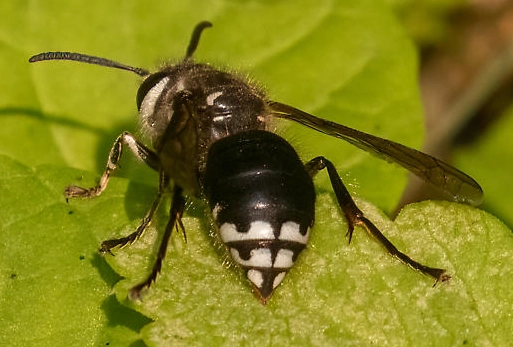
Forget the typical yellow and black pattern of a yellowjacket. Bald-faced hornets are primarily black with stark, off-white or ivory-colored markings. The most telling feature is their white face—hence the name "bald-faced." Look for a white patch on the front of their head. Their abdomen has distinct white patterns, often resembling stripes or spots, rather than solid bands.
They're also on the larger side for social wasps. Workers are typically 12-15 mm (about 0.6 inches) long, while queens can be even larger. Their bodies are robust, and in flight, they have a characteristic, purposeful hum.
Quick ID Checklist: Is it a bald-faced hornet?
- Primary body color: Glossy black.
- Markings: Crisp, ivory-white (not yellow).
- Face: Prominent white/pale face.
- Size: Larger than a typical honeybee or yellowjacket.
- Nest: Large, football-to-basketball-sized, gray paper nest, usually aerial.
Common Look-Alikes You Might Confuse It With
This is where most online guides stop, but mixing them up can lead to wrong actions. The white-faced hornet is just another common name for the bald-faced hornet, so that's the same insect. However, people sometimes mistake the great black wasp (Sphex pensylvanicus) for it. The great black wasp is entirely black with blueish wings, solitary, and harmless unless severely provoked—a beneficial insect you want around.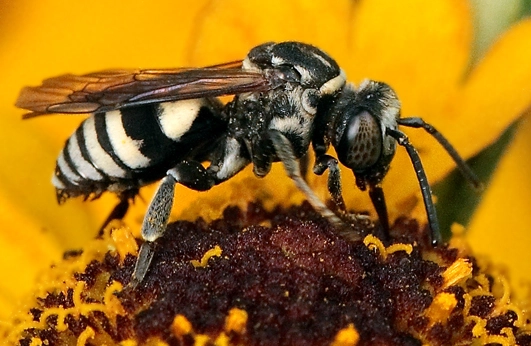
I once had a client ready to nuke a patch of his garden because of "giant black and white wasps" that turned out to be harmless carpenter bees with some light facial markings. A moment of observation saved a pollinator habitat and his money.
How Dangerous Are They? Understanding Their Behavior
Let's talk about risk realistically. Bald-faced hornets are not randomly aggressive predators looking to sting humans. They are, however, highly defensive of their nest. Their aggression radius is larger than that of many other wasps. Disturb a nest—even from several feet away with vibrations from a lawnmower or by accidentally bumping the branch it's on—and you can trigger a mass defensive response.
Their sting is painful. Like other wasps, they can sting repeatedly. For most people, it results in sharp pain, swelling, and redness that subsides in a few days. However, their venom can cause a more severe local reaction in some individuals.
The real danger lies in an allergic reaction or multiple stings.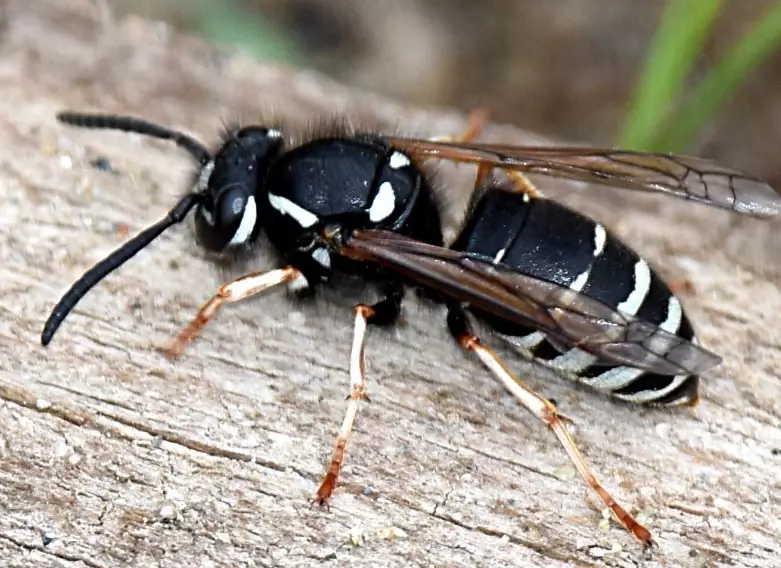
They are also beneficial predators. A single colony can consume pounds of flies, caterpillars, and other nuisance insects over a summer. If their nest is in a remote corner of your property, far from human activity, leaving it alone is a valid and ecologically sound choice. The problem arises when they build in high-traffic areas: under eaves, in low tree branches over a walkway, or inside a soffit vent.
| Situation | Risk Level | Recommended Action |
|---|---|---|
| Nest in a tall tree, far from house & paths | Low | Monitor, but likely safe to leave alone until frost kills colony. |
| Nest in shrub next to front door or mailbox | High | Professional removal is strongly advised. |
| Single forager at flowers or garbage | Very Low | Remain calm, move slowly. It has no interest in you. |
| You accidentally disturb a hidden nest | Critical | Run quickly indoors or to a vehicle. Do not swat. |
Proactive Strategies to Prevent a Nest on Your Property
Spring is the key season. A young, mated queen emerges from overwintering and starts scouting for a nest site in early to mid-spring. Your goal is to make your property less appealing than your neighbor's.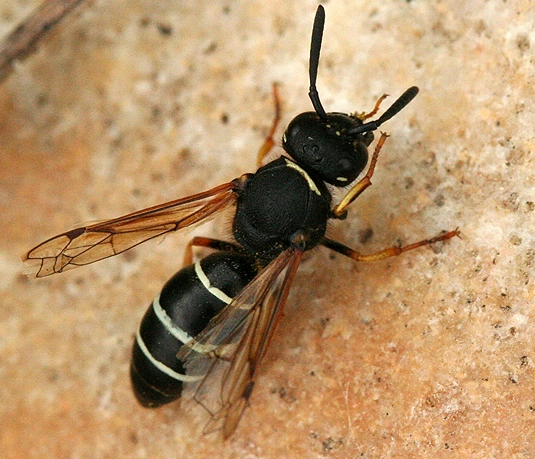
Early Spring (April-May) Scouting: The queen is alone at this stage, building a golf-ball-sized starter nest. This is the absolute easiest and safest time to eliminate a colony. Knock down these tiny nests with a long pole during a cool evening or early morning when she's sluggish. Wear protective clothing just in case.
Deny Building Materials: They make their paper nests by chewing weathered wood. If you have an old fence, shed, or untreated woodpile, consider sealing it with a paint or varnish. It's a small step that can deter them.
Secure Food Sources: Keep trash cans tightly sealed. Clean up fallen fruit promptly. Use covered containers for outdoor pet food. Reducing attractants makes your yard less of a foraging destination.
A Common Mistake I See: People hang fake wasp nests hoping to deter them. The theory is that wasps are territorial and won't build near another colony. In my experience, the efficacy of these is spotty at best. Bald-faced hornets are bold enough to sometimes ignore them, especially if the location is prime real estate. I'd rather you spend that effort on the physical prevention steps above.
Your Options for Safe Nest Removal and Control
You've found an active, sizeable nest in a bad spot. Now what? You have two main paths: DIY or professional. The choice depends entirely on the nest's location, size, and your comfort level.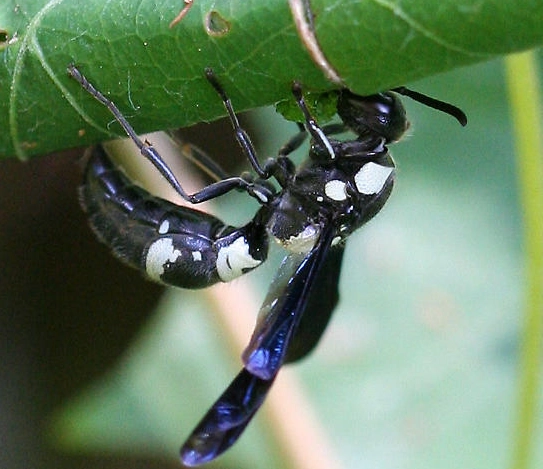
When and How to Consider DIY Removal
Only consider DIY if:
- The nest is smaller than a softball.
- It is easily accessible (not inside a wall or high in a tree).
- You can approach it at night or very early dawn when all wasps are inside and inactive.
- You have a full protective suit (bee veil, thick gloves, sealed cuffs and ankles).
If you meet all these criteria, an aerosol wasp jet spray designed for long-distance application can be used. Spray the entrance thoroughly at night. Wait 24 hours, observe for no activity, then knock the nest down into a bag and seal it. Do not use gasoline or fire. This is extremely dangerous, illegal in many areas, and environmentally destructive.
Why Professional Removal Is Often the Wise Choice
For any nest larger than a grapefruit, above one story high, or attached to your home's structure, call a licensed pest control professional. Here’s the insider reason why it's worth the cost: professionals have access to more effective, longer-lasting insecticides not available to the public. They also have the experience to handle defensive colonies and find hidden entry points for nests in walls or attics.
A pro will often use a dust formulation that the workers track deep into the nest, ensuring the entire colony is eliminated. They'll also advise on sealing the entry point after treatment to prevent future queens from using the same cavity.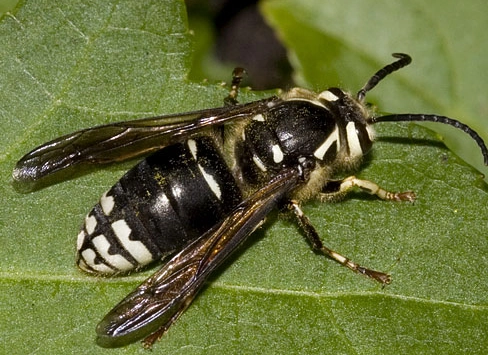
Trying to save a few hundred dollars isn't worth a trip to the ER.
Expert Answers to Your Pressing Questions
First, move away from the area calmly to avoid more stings. Wash the site with soap and water. Apply a cold pack to reduce swelling and pain. Over-the-counter antihistamines (like Benazir) and pain relievers (like ibuprofen) can help. Watch for signs of a severe allergic reaction: difficulty breathing, swelling of the face/throat, dizziness, or a rash spreading beyond the sting site. These require immediate emergency care. For most people, significant local swelling (a large red area several inches across) is common with bald-faced hornet stings and isn't necessarily a full-body allergy, but it can be uncomfortable for days.
Probably not. By mid to late fall, the colony's life cycle is ending. The workers die with the frost, and only the new, mated queens leave to find a place to overwinter. The nest is abandoned and will not be reused next year. If it's not posing an immediate hazard (like above a play area where it could fall), the safest and easiest option is to leave it. It will naturally disintegrate over the winter. Removing a large, high nest is risky and unnecessary at that point.
This is a great observation. Bald-faced hornets don't typically burrow into wood. What you're likely seeing are female carpenter bees (which can have light markings) inspecting wood to drill nest tunnels, or possibly great black wasps hunting for insects. Look for perfect, half-inch round holes in the wood (carpenter bees) or the wasps digging in sandy soil (great black wasp). Neither is as defensively aggressive as a bald-faced hornet colony. For carpenter bees, treating the holes with insecticidal dust or sealing them in the fall is the fix.
They are visual hunters. While not definitively proven, some anecdotal evidence and old lore suggest they may be more investigative of dark, moving objects. Bright floral patterns might also attract them as they forage. In terms of scents, avoid heavily perfumed soaps, shampoos, or lotions when working outdoors in an area with known activity. Sweet drinks and food are the biggest attractants. The key isn't paranoia about your shirt color, but awareness of your surroundings and securing food and trash.
Comments