You've probably heard about eating insects. Crickets, mealworms, maybe even scorpions. But let's talk about one of the most fascinating, and frankly, delicious entries in the world of entomophagy: the so-called "coconut ant." If you're picturing tiny black ants crawling on a coconut husk, you're close, but there's more to the story. This isn't about just any ant—it's primarily about the weaver ant (Oecophylla smaragdina), a vibrant, citrusy insect that's a staple in parts of Southeast Asia and a true culinary adventure waiting to be had. I remember my first hesitant bite in a Bangkok market, bracing for something bizarre, only to be shocked by a burst of sharp, tangy flavor. It changed my perspective entirely.
What You'll Find in This Guide
What Exactly Are "Coconut Ants"?
The term "coconut ant" is a bit of a colloquial catch-all. It most accurately refers to weaver ants that build their large, papery nests in trees, including coconut palms. You'll also hear them called red ants, green ants (for the workers), or mang da in Thailand. They're not the tiny sugar ants in your kitchen. These are larger, aggressive ants known for their painful bite and a distinct, formic acid-heavy aroma.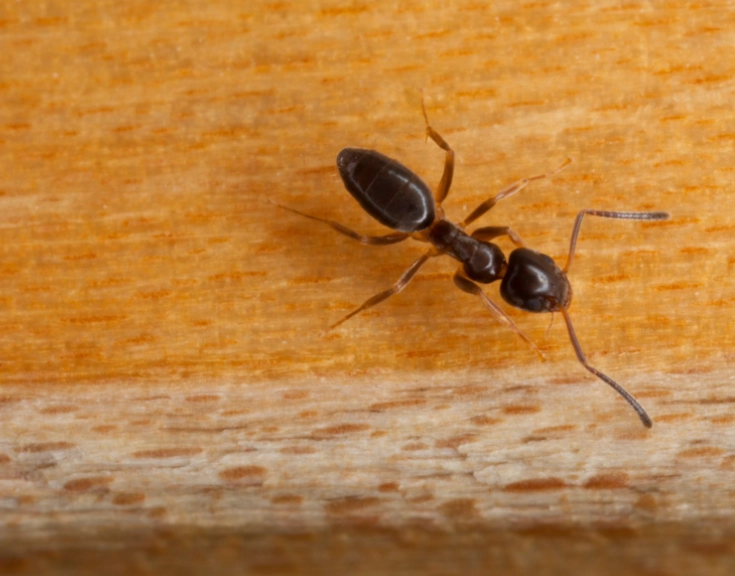
Here's where people get confused. Sometimes "coconut ants" can also refer to other ant species foraged from coconut plantations. But for the authentic culinary experience, you're after the weaver ant. Its eggs and pupae (often called "ant caviar") are considered a particular delicacy.
A Quick Identification Note
If you're foraging (which I don't recommend for beginners without a guide), look for the nests. Weaver ant nests are made of leaves woven together with larval silk, creating a distinctive, crinkled ball high in the tree canopy. The ants themselves are reddish-brown with a slightly metallic sheen. The major workers can be over 1 cm long.
The Real Taste and Texture of Edible Ants
Forget the bland, nutty flavor often assigned to cricket powder. Weaver ants are in a different league.
The dominant flavor is a powerful, mouth-puckering citrus sourness, like a combination of lemongrass, kaffir lime leaf, and green mango. This comes from the high concentration of formic acid they produce for defense. It's bracing, refreshing, and cuts through rich foods perfectly. Underneath that, there's a subtle, herbaceous green note.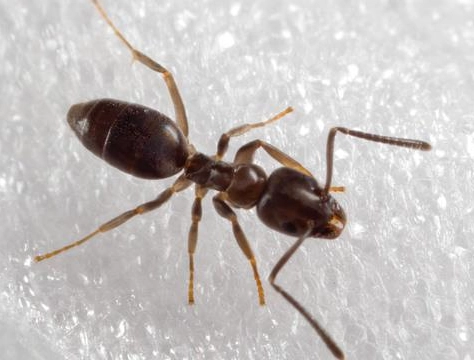
Texture depends on how they're prepared. Whole adults are crispy, with a slight pop. The real magic is in the eggs and pupae. They have a soft, creamy, almost buttery texture that melts in your mouth—this is the "caviar" comparison that isn't just marketing fluff.
Most first-timers make the mistake of eating them completely plain. That's like eating a raw lemon wedge. The sourness can be overwhelming. They're meant to be a seasoning or a contrasting element in a dish.
Why Eat Them? The Nutritional Punch
Beyond the novelty, these ants pack a serious nutritional profile that makes them more than just a tourist snack. According to research on edible insects, they are a highly sustainable source of protein and micronutrients.
| Nutrient | Benefit & Why It Matters | Comparison Point |
|---|---|---|
| High-Quality Protein | Contains all essential amino acids, crucial for muscle repair and overall body function. The protein is highly digestible. | Gram for gram, can rival the protein content of lean beef. |
| Healthy Fats & Zinc | A good source of unsaturated fats and zinc, which supports immune function and metabolism. | Zinc content is often higher than in many plant-based sources. |
| Iron | Provides heme iron, the type most easily absorbed by the human body, fighting fatigue and anemia. | Particularly valuable for individuals on plant-based diets who struggle with iron absorption. |
| Low Environmental Impact | Requires minimal water, land, and feed compared to traditional livestock. Produces far fewer greenhouse gases. | A key driver behind the UN's promotion of entomophagy for food security. |
It's not just hype. Integrating insects like these into diets is a practical response to food sustainability challenges, a point emphasized by the Food and Agriculture Organization of the United Nations in their reports on alternative protein sources.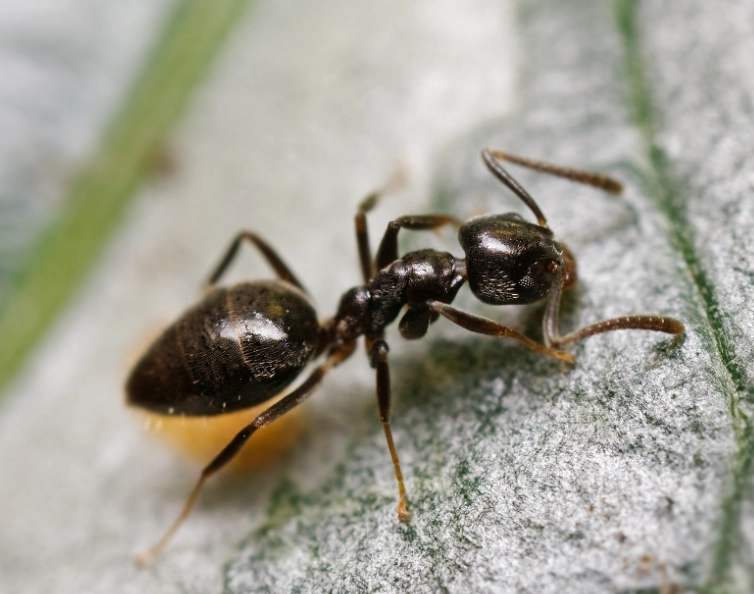
Where and How to Try Coconut Ants
You're not likely to find them on a standard restaurant menu in the West (yet). Your best bet is a trip to Southeast Asia. Here’s a practical, on-the-ground guide based on my own travels and conversations with local vendors.
Top Destinations for an Authentic Taste
1. Thailand (Especially Isan Region)
This is the epicenter. Head to local markets (talat) in provinces like Ubon Ratchathani, Khon Kaen, or Surin.
What to look for: Bags of live or pre-fried ants, or ant eggs. You'll also find them prepared in dishes.
Classic Dish: Yam Khai Mot Daeng – a spicy, sour salad made with ant eggs, shallots, herbs, chili, and lime juice. It’s a flavor explosion.
Price: A small bag of fried ants costs around 20-50 Thai Baht ($0.50-$1.50 USD). A prepared salad dish might be 60-100 Baht.
2. Cambodia
Look for them in markets in Phnom Penh (like Orussey Market) or in rural areas.
How they're served: Often simply fried with garlic and salt as a crunchy beer snack, or used as a souring agent in soups.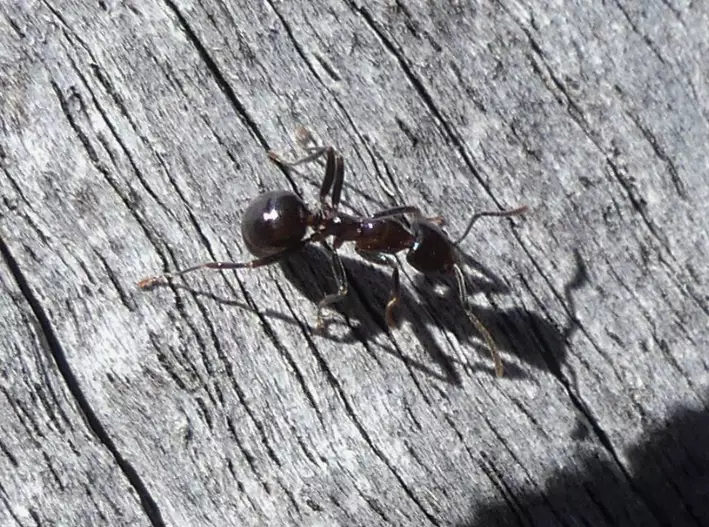
3. Specialty Food Expos & Online Retailers
In Europe, North America, and Australia, the rise of entomophagy means you can sometimes find weaver ants or similar species at food innovation expos or through online retailers specializing in edible insects. They’re usually sold freeze-dried or roasted. Check sites like Entomo Farms or Crunchy Critters for availability. The quality varies wildly—some are stale and tasteless, so read reviews.
A Crucial Tip Most Guides Miss
When buying in a market, don't just go for the biggest, fullest bag. Ask the vendor when they were collected. Ants, especially the eggs, are highly perishable. Fresher ones will have a brighter, cleaner sour aroma. Older stock can develop a slightly off, musty note underneath the acidity. A good vendor will be proud to tell you they're from today's or yesterday's harvest.
A Step-by-Step Guide to Preparing Them at Home
So you've sourced some dried or frozen weaver ants. Now what? Don't just sprinkle them on a salad.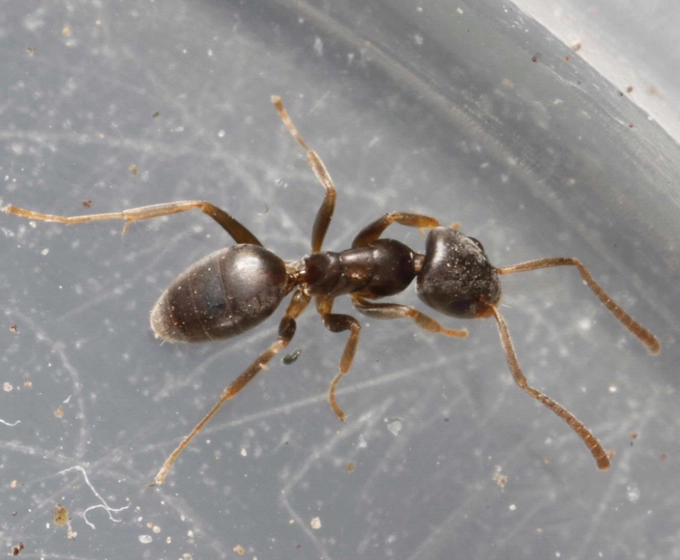
The Simple, Foolproof Method
1. The Quick Toast. If they're not pre-fried, heat a dry wok or skillet over medium heat. Add the ants and stir constantly for 60-90 seconds until they become fragrant and slightly darker. This deepens the flavor and ensures crispiness. No oil needed at this stage.
2. Create the Base. Push the ants to the side, add a tiny bit of neutral oil, and fry minced garlic and a couple of thin slices of ginger until golden.
3. Combine and Season. Toss everything together. Add a pinch of salt and just a tiny dash of fish sauce or soy sauce. The goal is to enhance, not mask.
4. Use as a Finisher. Sprinkle this over steamed jasmine rice, avocado toast, or a simple omelet. The heat and fat from the dish will bloom their aroma.
Advanced Move: The Ant Egg Omelet
Whisk 2-3 eggs with a tablespoon of ant eggs (if you can get them). Add chopped scallions. Cook like a normal omelet in a bit of oil. The creamy pop of the eggs inside the fluffy egg is sublime. Season lightly—the ants bring their own seasoning.

Comments