Waking up with a line of itchy red welts is unsettling. Your first thought might be mosquitoes, but if the bites are in a little cluster or a straight line on your arm or neck, you're likely dealing with bed bug bites. The immediate effect is the maddening itch, but that's just the surface. The impact of these bites runs deeper, affecting sleep, mental well-being, and even social life. I've helped people navigate this for years, and the biggest mistake I see is underestimating the problem until it's taken a serious toll.
Let's cut through the generic advice. This isn't just about identifying a bug bite. It's about understanding the full spectrum of effects—physical, psychological, and practical—so you can take the right steps for relief and, more importantly, for elimination.
Quick Navigation: What You'll Find Here
How to Spot Bed Bug Bites (It's Not Just the Itch)
Not everyone reacts to bed bug saliva. You could have an infestation and show no bites, while your partner is covered in them. This inconsistency is why bites alone aren't proof. But if you are reactive, here's what to look for.
The classic sign is a pattern. They often feed in a row, resulting in bites that appear in a linear or clustered formation—sometimes humorously called "breakfast, lunch, and dinner." You'll typically find them on exposed skin: face, neck, arms, and hands. However, they can also crawl under loose clothing.
A key detail most miss: The bite itself is painless. The bugs inject an anesthetic. You only feel the itchy, raised welt hours or even days later. So you wake up with the effect, not the cause.
Here’s a quick comparison to avoid misidentification, which wastes time and lets the infestation grow:
| Insect | Bite Pattern & Location | Timing of Itch | Other Clues |
|---|---|---|---|
| Bed Bug | Linear/clusters on exposed areas (face, neck, arms). Can be under clothing. | Delayed (hours to days). Often worse in the morning. | Rusty stains on sheets, tiny black fecal spots, shed skins. |
| Mosquito | Single, random bites anywhere skin is exposed. | Almost immediate. | Buzzing sound, bites occur during dusk/dawn or near standing water. |
| Flea | Clustered, often around ankles/lower legs. | Immediate, intense. | Pets scratching, bites usually below the knee. |
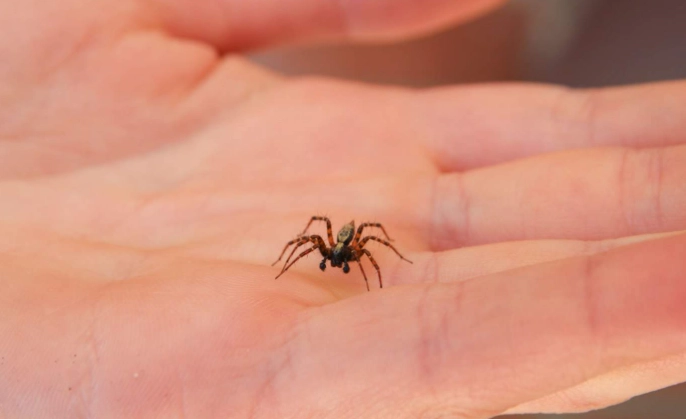
| Spider | Single or double puncture marks. Not typically multiple in a row. | Can be immediate pain, then itch. | Often a one-off event, not recurring nightly. |
If your bites match the bed bug profile, start looking for other evidence: tiny rust-colored blood spots on your sheets, small dark fecal specks (like a marker dot) on the mattress seams, or pale yellow shed skins.
The Physical Effects: From Mild Itch to Severe Reactions
The physical impact exists on a spectrum. Most online articles only talk about the middle.
The Common (and Annoying) Reaction
For most people, a bed bug bite results in a raised, red, itchy bump (a wheal). It's a localized allergic reaction to the proteins in the bug's saliva. The itch can be intense and persistent, often peaking in the morning due to the body's natural cortisol cycle. Scratching is the real enemy here. It breaks the skin, opening the door to secondary bacterial infections like impetigo, cellulitis, or lymphangitis. I've seen more trips to the doctor for infected bites than for the bites themselves.
Severe Allergic Reactions and Systemic Effects
Some individuals have stronger reactions. This can include:
- Large, painful welts: Bites that swell to several centimeters in diameter.
- Blisters or hives: A more pronounced skin response.
- Systemic symptoms: Though rare, some report fever, malaise, or asthma attacks triggered by the allergens. A study referenced by the U.S. Environmental Protection Agency (EPA) notes that severe reactions, while uncommon, are a documented medical reality.
Seek medical attention if you experience difficulty breathing, widespread hives, dizziness, or if the bite area shows signs of a serious infection (increasing redness, warmth, pus, red streaks spreading from the site).
The Long-Term Skin Impact: Scarring and Hyperpigmentation
This is a long-term effect many don't consider. The bite itself doesn't scar. But relentless scratching does. For people with sensitive skin or conditions like eczema, the inflammatory response can lead to post-inflammatory hyperpigmentation (dark spots that linger for months) or even permanent textural scars. The goal isn't just to stop the itch today, but to prevent skin damage that lasts for the next year.
The Hidden Mental and Emotional Toll
This is the part that pest control companies and many health sites gloss over. The psychological effects can be more debilitating than the physical ones.
Sleep deprivation and anxiety. You know they feed at night. The mere thought of going to bed can cause dread. You lie there hyper-aware of every tiny itch or tickle. This leads to broken, poor-quality sleep, which fuels irritability, difficulty concentrating, and lowered immune function. It's a vicious cycle: stress from the bugs weakens you, making you more susceptible to the stress.
Social stigma and isolation. There's an unfair but pervasive belief that bed bugs are linked to dirtiness. It's false—they are equal-opportunity pests attracted to carbon dioxide and warmth, not filth. But the shame is real. People stop inviting friends over. They avoid travel for fear of spreading them. Relationships strain under the constant stress and secrecy.
I've talked to clients who described feeling "violated" or "unsafe in their own home." It's a profound loss of sanctuary. Treating this aspect is as crucial as treating the bites.
How to Treat the Bites and Find Real Relief
Treatment is about managing symptoms while you work on the root cause (the infestation). Skip the folk remedies like toothpaste or vinegar; they're inconsistent at best and irritating at worst.
Immediate First-Line Defense
- Wash the area: Use soap and cool water to clean the bites and reduce the risk of infection.
- Cold compress: Apply an ice pack wrapped in a cloth for 10-15 minutes. This numbs the area and reduces swelling and itch instantly.
- Resist scratching: Trim your nails. Wear cotton gloves to bed if you scratch unconsciously.
Effective Over-the-Counter Options
- Topical corticosteroids: A 1% hydrocortisone cream is the gold standard for reducing inflammation and itch. Apply a thin layer.
- Oral antihistamines: Cetirizine (Zyrtec) or loratadine (Claritin) can help control the systemic allergic response, especially at night. Diphenhydramine (Benadryl) works but causes drowsiness.
- Calamine or Pramoxine lotion: These provide a soothing, cooling sensation that can distract from the itch.
A dermatologist once told me a pro tip: if the itch is severe, take the antihistamine and apply the hydrocortisone. They work on different pathways of the inflammatory response.
The Critical Step Everyone Forgets: Stopping the Infestation
You can treat bites forever, but you'll keep getting new ones. The only way to stop the effects is to eliminate the cause. This isn't a DIY project for most people. Over-the-counter sprays often scatter bugs, making the problem worse.
Professional pest control using a combination of methods (often heat treatment and targeted insecticides) is the most reliable solution. While you arrange that, take interim steps:
- Encase your mattress and box spring in bug-proof, zippered covers. >
- Reduce clutter where bugs can hide.
- Carefully vacuum cracks, crevices, and around the bed frame.
- Launder and dry all bedding and clothing on the highest heat setting possible.
The peace of mind that comes with a professional treatment is, in itself, a powerful treatment for the psychological effects.


Comments